
Planting
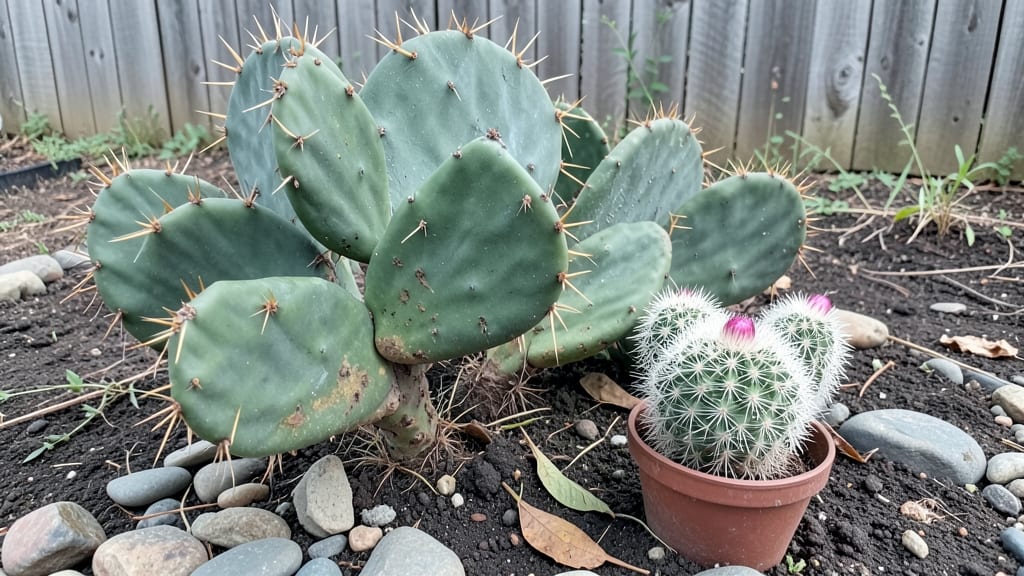
A cactus plant garden transforms even the driest corner into a striking, low-maintenance masterpiece. I designed my first one after realizing how much I loved their bold shapes and silvery hues—it became the centerpiece of my backyard, requiring almost no water once established.
The key is mixing textures: spiky barrel cacti, rounded globes, and trailing varieties create natural layers that look intentional without effort.
Start with a sunny spot (at least 6 hours of direct light daily) and well-draining soil—cacti hate soggy roots. Group plants by water needs: desert species like prickly pear thrive with minimal care, while jungle cacti need slightly more moisture.
Add gravel mulch to prevent weeds and reflect heat, which keeps roots happy in summer. Thematic arrangements work best—try a "desert oasis" with agave, yucca, and succulents for contrast.
By autumn, your garden will reward you with year-round structure—no dead branches or seasonal fuss. The right cactus mix creates movement: tall varieties in back, mid-height clusters in the middle, and trailing types spilling over edges.
Even in winter, their architectural forms add drama, while spring brings subtle color shifts as new growth emerges.
This design works for containers, slopes, or large beds—adjust spacing based on mature sizes. My 5-gallon pot arrangement on the patio gets just as much attention as the in-ground display. The best part? Once established, you’ll water once every 2-3 weeks—perfect for busy gardeners or drought-prone areas.
📚 In This Guide
- What you need
- Instructions
- Tips and common mistakes
- Wrapping up and next steps
What you need
- ● Cactus plants: Choose 5–10 varieties (e.g., Mammillaria, Echeveria, Opuntia) based on size and growth habits.
- ● Well-draining soil mix: 50% cactus/succulent soil + 50% perlite or coarse sand (10–15 lbs per square foot).
- ● Containers or garden beds: Containers: 1–3 gallon pots with drainage holes (1 per plant, or shared for small clusters).
- ○ Garden beds: Raised beds (optional) or in-ground plots with amended soil (minimum 6" depth).
- ● Drainage materials: Small gravel or broken pottery shards (1–2 inches per pot).
- ● Gloves: Heavy-duty gardening gloves (to protect from spines!).
- ● Watering can or hose with a gentle spray nozzle (avoid overhead watering).
- ● Decorative rocks or pebbles: For mulching and aesthetic appeal (e.g., lava rock or quartz).
- ● Pebble tray or saucer: To catch excess water (prevents root rot).
- ● Sunlight meter: To monitor light exposure (6+ hours of sun is ideal).
- ● Fertilizer: Low-nitrogen cactus fertilizer (apply sparingly, 2–3 times per year).
- ● Labels or markers: For tracking plant names and care needs.
- ● Windbreaks: If outdoors, use stakes or mesh to protect from strong winds.
How to design a thriving cactus plant garden
Transform your outdoor space into a stunning desert oasis with minimal water and maximum impact.
Select the Right Cactus Species for Your Climate
Start by choosing cacti that thrive in your specific USDA hardiness zone. For example, Opuntia (prickly pear) handles 10-30°F winters beautifully, while Echinocactus (hedgehog cactus) prefers 20-35°F zones. Research each variety’s sun tolerance—some, like Ferocactus, demand full sun, while others, such as Mammillaria, tolerate partial shade in hot climates.
I always group cacti by their water needs to simplify care. Slow-growing varieties like Lophophora (peyote) need infrequent watering, while fast-growing types such as Selenicereus (night-blooming cactus) require more frequent hydration. Skipping this step leads to overwatered roots or stunted growth.
Prepare the Soil and Planting Site
Cacti despise soggy soil, so amend your native dirt with 50% coarse sand and 50% cactus/succulent mix to create a gritty, well-draining medium. Test drainage by digging a 6-inch deep hole—if water pools after 10 minutes, add more sand or gravel. I like to spread a 2-inch layer of small gravel at the bottom of the planting area to further prevent waterlogging.
Choose a site with 6+ hours of direct sunlight daily, as most cacti thrive under intense light. If your area gets scorching afternoon sun, provide afternoon shade to prevent sunburn on delicate species. Avoid planting in low spots where water collects after rain.
Step 3: Plant Cacti at the Correct Depth and Spacing
Dig holes twice as wide as the cactus’s root ball but only as deep as the pot it came in—burying too deep encourages rot, while planting too shallow leaves the base exposed to temperature swings. Gently remove the cactus from its pot, loosen the roots if they’re circling, and place it in the hole.
Space cacti 12-24 inches apart, depending on their mature size. Smaller varieties like Mammillaria can sit 12 inches apart, while larger Carnegiea gigantea (saguaro) need 24+ inches. Fill the hole with your prepared soil mix, pressing lightly to eliminate air pockets. Water deeply only once after planting to help roots establish.
Establish a Watering and Maintenance Routine
Wait 7-10 days before watering new cacti to avoid shocking their roots. After that, water deeply but infrequently—typically every 2-4 weeks in summer, depending on rainfall. I check moisture by sticking my finger 2 inches into the soil; if it’s dry, it’s time to water. Overwatering is the #1 killer of cacti, so always let soil dry completely between waterings.
Apply a 2-inch layer of gravel mulch around each plant to reflect sunlight and reduce evaporation. Fertilize once in spring with a balanced, diluted cactus fertilizer (half-strength) to encourage growth without burning roots. Prune only to remove dead or damaged segments, using sterilized pruners to prevent infections.
Protect and Winterize for Seasonal Changes
As temperatures drop below 40°F, move tender cacti to a sheltered spot or bring them indoors near a south-facing window. Hardier varieties like Opuntia can stay outside but may need extra mulch for insulation. I always monitor forecasts and cover plants with burlap if a 32°F freeze is predicted.
In spring, inspect your garden for pests like mealybugs or scale, treating affected areas with neem oil or insecticidal soap. Remove any dead or diseased cacti immediately to prevent spread. With proper care, your cactus garden will flourish for years with minimal effort.
Tips & tricks for perfect cactus plant garden design
Creating a thriving cactus garden isn't just about planting—it's about understanding the delicate balance between water, sun, and soil that makes these desert beauties flourish. Here are the game-changing insights I've gathered from years of working with these resilient yet particular plants.
Climate Matching is Non-Negotiable: The temperature ranges you see in Step 1—like 10-30°F for Opuntia—aren't just suggestions, they're survival benchmarks. I've seen gardeners struggle when they plant Echinocactus in zones below 20°F—the results are always stunted growth or winter kill. Use this as your baseline: if your winter dips below the minimum for your chosen species, either select a hardier variety or plan for winter protection. The 32°F freeze warning in Step 5 should be your trigger to act, not an afterthought.
Soil Science That Saves Lives: That 10-minute drainage test in Step 2 is your best friend. I've buried more cacti than I care to admit because I skipped this step. Here's how to do it right: Dig your 6-inch hole, fill it with water, then wait. If water remains after 10 minutes, you're not ready to plant—keep amending with sand until it drains completely. Pro tip: Mix your 50% sand with perlite for even better aeration, especially in clay-heavy soils.
Watering Psychology: The 7-10 day waiting period before first watering might seem counterintuitive, but it's crucial for root establishment. After that, I've found the 2-inch soil check method works better than schedules—stick your finger in and feel the texture. Dry at 2 inches means it's time; moist means wait. And when you do water, go deep to encourage strong root growth. The 2-4 week summer schedule is flexible—adjust based on your local rainfall and heat levels.
Winter Strategy That Works: The 40°F threshold in Step 5 isn't arbitrary—it's when most tender cacti start showing stress. For container plants, move them to unheated garages or sheds with south-facing windows. For in-ground plants, I've had success with double-layered burlap wraps (first layer loosely, second tightly) that act like mini greenhouses. And don't forget to remove mulch before winter—it can trap too much moisture when temps fluctuate.
Pro Tips for Cactus Plant Garden
- Creating a thriving cactus garden isn't just about planting—it's about understanding the delicate balance between water, sun, and soil that makes these desert beauties flourish.
- Climate Matching is Non-Negotiable: The temperature ranges you see in Step 1—like 10-30°F for Opuntia—aren't just suggestions, they're survival benchmarks.
- Soil Science That Saves Lives: That 10-minute drainage test in Step 2 is your best friend.
Frequently asked questions
Got questions about creating your own cactus plant garden? You’re not alone! Here are some of the most common queries—plus straightforward answers to help you thrive.
How much sunlight do cacti really need?
Most cacti thrive in full sun (6+ hours daily), but some varieties (like Mammillaria) tolerate partial shade. Start with 4–6 hours and adjust based on leaf color—yellowing or stretching means more light is needed. Pro tip: Use sheer curtains to protect from harsh afternoon sun in hot climates.
When is the best time to plant a cactus garden?
The ideal window is spring or early fall when temperatures are mild (50–80°F). Avoid extreme heat or frost—cacti struggle to establish roots in summer’s scorching sun or winter’s freeze. Plant in the morning to reduce transplant shock from midday heat.
How often should I water my cactus plants?
Water deeply but infrequently: every 2–4 weeks in summer and once a month (or less) in winter. Stick your finger 2 inches into the soil—if it’s dry, water thoroughly until it drains from the bottom. Warning: Overwatering causes root rot! Ensure pots have drainage holes.
Can I grow cacti in containers, or do they need a ground garden?
Containers are ideal for cacti—just use fast-draining soil (like a cactus/succulent mix) and pots with drainage. Group plants by size/light needs, and rotate pots occasionally for even growth. Bonus: Container gardens are perfect for balconies, patios, or small spaces!
What should I do if my cactus gets pests or diseases?
Common culprits include mealybugs, scale, or fungal spots. For pests, wipe with rubbing alcohol (70% isopropyl) or spray with neem oil. Fungal issues? Improve airflow and avoid overhead watering. Quick fix: Isolate affected plants and prune damaged areas with sterile scissors.
Do cacti survive winter, or do I need to bring them inside?
Hardy cacti (like Opuntia or Echinocactus) tolerate light frost (down to 20°F), but tender varieties need protection. Move pots to a sheltered spot or wrap them in burlap. If indoors, place near a sunny window—no heat vents (they dry out the air!).
Wrapping up and next steps
Creating a cactus plant garden is a rewarding way to bring drought-resistant beauty and low-maintenance charm to your outdoor space. Whether you're a beginner or a seasoned gardener, these resilient plants offer year-round structure with minimal effort—perfect for busy lifestyles or water-conscious landscapes. 🌵✨
Now that you’re armed with the right materials and answers to common questions, it’s time to get your hands dirty! Start small—pick a sunny spot, gather your favorite cacti, and watch your garden thrive with confidence. Happy planting!