Landscaping
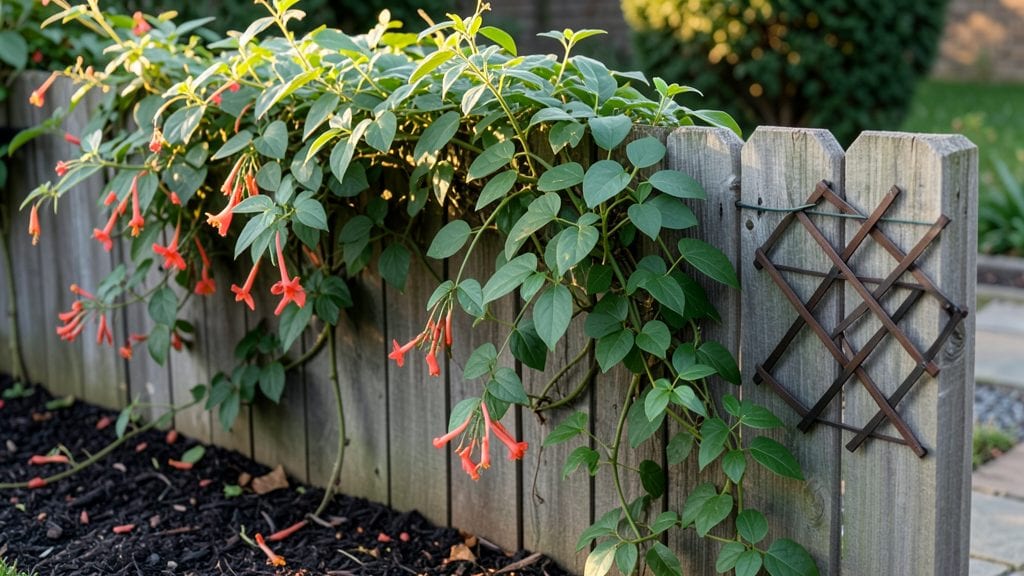
Determining garden fence height depends on your location, with most residential areas allowing between 4 to 6 feet, though some regions permit up to 8 feet for privacy. Always verify local zoning laws before installation to prevent legal issues or neighbor disputes.
Local regulations often dictate these limits to balance neighborly harmony and property rights. For example, cities like Los Angeles cap residential fences at 6 feet in the front and 7 feet in the back, while rural areas may be more lenient.
Privacy needs can sometimes justify taller fences, but you’ll need to submit permits or prove no other solutions exist. I’ve seen homeowners face fines of $500+ for non-compliant heights, so double-checking with your city’s planning department is a must. 🌳
If your property allows taller fences, consider vinyl or cedar for durability and low maintenance. For areas with strict height limits, lattice panels or living walls can add privacy without violating codes. Some neighborhoods even permit ornamental fencing (like wrought iron) that meets height restrictions but still blocks views effectively.
Always factor in local aesthetics—some communities discourage solid fences over 6 feet to preserve neighborhood character.
💡 In This Article
- Local Zoning Laws Affecting Garden Fence Height
- Privacy Solutions for Tall Garden Fences
Local zoning laws affecting garden fence height
Zoning laws for garden fence height are primarily designed to maintain neighborhood aesthetics, property values, and safety. Municipalities enforce these regulations through their planning and zoning codes, which often categorize fences by type (e.g., solid, semi-private, decorative) and location (front yard, side yard, rear yard).
For instance, front yard fences are typically restricted to 4-6 feet to preserve curb appeal, while rear yard fences may allow 6-8 feet for privacy.
The science behind these limits involves balancing visibility, sunlight access for neighboring properties, and fire safety—taller fences can obstruct emergency vehicle access or create fire hazards if flammable materials are used.
Regional variations are significant.
In California, cities like San Diego enforce a 6-foot maximum for residential fences, while rural counties may permit 8 feet with a permit. Texas cities like Austin allow 6 feet in the front and 7 feet in the back, but Houston caps all residential fences at 6 feet.
On the East Coast, New York City restricts fences to 6 feet in the front and 8 feet in the rear, but only with a Special Permit for heights over 6 feet. These differences stem from population density, historical zoning practices, and community feedback. 🏡
Exceptions often exist for privacy or security. Many municipalities permit taller fences if they’re non-solid (e.g., lattice or picket styles) or if they serve a specific purpose like child safety or noise reduction.
For example, Florida allows 8-foot fences in the rear yard if they’re privacy screens (not solid walls) and don’t block sunlight. Some states, like Arizona, waive height restrictions for firebreaks or security fences if approved by the local fire marshal.
Always verify whether your project qualifies for these exemptions—skipping this step could lead to costly modifications or fines.
To confirm your local rules, start with your city or county’s planning department website. Most provide downloadable zoning maps or interactive tools where you can input your address to see fence height restrictions.
If online resources are unclear, call the department directly—they can clarify whether your property falls under residential, agricultural, or mixed-use zoning, which affects allowable heights. Some areas also require a site plan review for fences over 6 feet, which may include neighbor notifications or public hearings.
Pro tip: Ask about setback requirements—how far your fence must be from property lines—to avoid encroachment disputes.
Neighbor disputes are a common reason for strict enforcement. If your fence obstructs a neighbor’s view or sunlight, they can file a complaint, leading to an order to remove or reduce it.
For example, in Colorado, a homeowner faced a $1,200 fine after installing a 7-foot fence in the front yard, despite the 6-foot limit.
To mitigate risks, consider installing a semi-private fence (e.g., pickets with gaps) or adding privacy plants like bamboo or arborvitae to meet privacy needs without violating height codes. Always document permits and approvals—these records can be critical if legal challenges arise. 📜
For rural or unincorporated areas, regulations may be less strict, but don’t assume leniency. Counties often have their own ordinances, and some states (like Texas) delegate zoning authority to local governments, meaning rules can vary even within the same state.
If you’re unsure, consult a local land-use attorney** or a contractor familiar with your area’s codes. They can help navigate permit processes and avoid costly mistakes, such as installing a fence that later needs to be torn down. Investing time upfront to understand these laws saves headaches—and money—down the road.