Featured
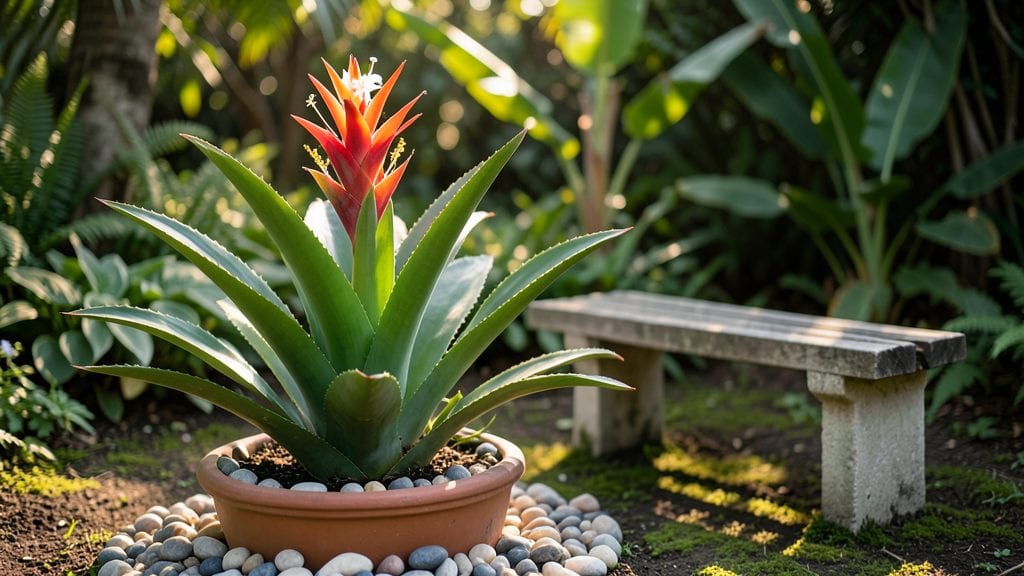
The Curitiba Botanical Garden showcases over 7,000 plant species across 42 hectares, blending rare orchids, bromeliads, and native Brazilian flora with themed gardens like the Japanese Garden and Waterfall Pavilion, offering visitors a serene escape into botanical diversity.
The Curitiba Botanical Garden stands as a living museum of biodiversity, where climate-controlled greenhouses protect delicate species like Cattleya orchids while open-air sections celebrate Brazil's native ecosystems. 🌿 What makes it special is how the garden balances conservation with immersive experiences—think mist-covered fern houses and cascading waterfalls that create a tranquil atmosphere.
Whether you're a plant enthusiast or just looking for a peaceful retreat, this garden delivers both education and inspiration in every corner.
Visitors often highlight the Japanese Garden as a standout, where meticulously pruned trees and koi ponds offer a serene contrast to the lush Brazilian flora. The Waterfall Pavilion, with its 12-meter cascade, is another must-see, especially during spring when orchids burst into bloom.
Pro tip: Weekday mornings are less crowded, giving you time to explore hidden trails and seasonal exhibits without rushing.
💡 In This Article
- Botanical Garden Layout and Plant Diversity
- Best Times and Tips for Visiting Curitiba Botanical Garden
Botanical garden layout and plant diversity
The Curitiba Botanical Garden's design follows a meticulous zoning strategy that separates delicate species from hardy ones. Climate-controlled greenhouses like the Orchid House maintain 70-75°F temperatures and 70-80% humidity—critical for preserving rare Cattleya orchids that require precise conditions to thrive.
These structures use advanced ventilation systems to prevent fungal growth while simulating tropical microclimates. 🌱 Outside these controlled environments, open-air sections like the Fern House showcase ferns that thrive in 50-60% humidity and dappled sunlight, creating a lush, misty atmosphere.
The garden's layout mirrors Brazil's ecological regions, with dedicated zones for Atlantic Forest species, Cerrado vegetation, and coastal plants.
For example, the Waterfall Pavilion features a 12-meter-high cascade that not only enhances aesthetics but also creates a high-moisture environment perfect for bromeliads—epiphytic plants that naturally grow on tree branches in rainforests. This water feature also serves as a natural air humidifier for nearby plant collections.
The Japanese Garden, with its meticulously pruned trees and koi ponds, demonstrates how different climates can coexist within the same space through careful water management and soil composition.
Seasonal blooms play a crucial role in the garden's diversity. Spring brings vibrant orchid displays, particularly the Dendrobium species that flower from September to November, while autumn showcases fiery foliage from native Ingá trees.
Conservation efforts are woven into this design—each greenhouse contains propagation stations where endangered species like the Psittacanthus (a parasitic plant) are carefully cultivated from seeds collected in protected areas. Visitors can observe these processes through glass partitions, making conservation tangible and educational. 🌿
What makes this layout exceptional is its adaptability. The garden's 42-hectare area includes both formal gardens (like the Japanese section) and wild areas that mimic Brazil's Mata Atlântica (Atlantic Forest).
This dual approach allows for scientific research while providing immersive experiences—think walking through a cloud forest ambiance without leaving the city. The strategic placement of paths ensures visitors encounter both rare specimens and common flora, creating a balanced educational journey.
For plant enthusiasts, this means seeing both the rare and the representative in one visit.
The Fern House alone contains over 300 species of ferns, many of which are endemic to Brazil's southern regions. These plants thrive in the greenhouse's low-light conditions and high humidity, demonstrating how the garden's infrastructure supports species with vastly different needs.
The native Brazilian section, spanning 8 hectares, features palm trees over 20 meters tall and bromeliads growing on artificial tree trunks, recreating the epiphytic relationships found in natural ecosystems. This section often hosts temporary exhibits on local flora conservation, connecting visitors directly to Brazil's environmental challenges.
One often-overlooked feature is the garden's seasonal rotation system. Certain areas are replanted annually to showcase different species, ensuring visitors always discover something new. For example, the Waterfall Pavilion might feature azaleas in spring and cacti in summer, demonstrating the garden's commitment to year-round diversity.
This approach also helps control pests and diseases by preventing monoculture buildup in any single area. 🌺 The result is a living, evolving space that feels both timeless and constantly fresh.