Landscaping
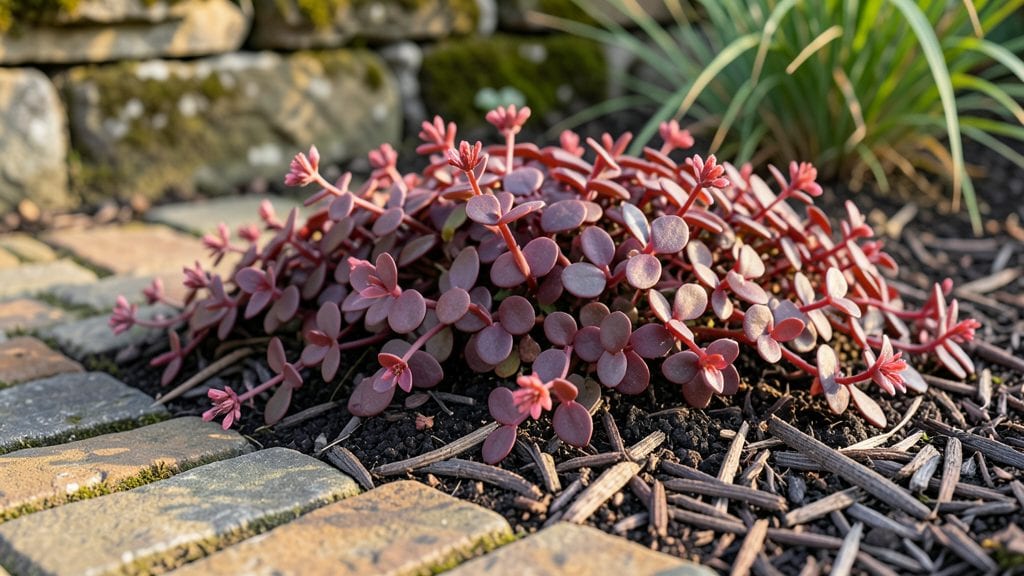
Cobble garden edging creates rustic, durable borders using irregular stones like granite or slate, which need minimal grout or adhesive for a natural, weather-resistant look. Select stones 2-3 inches thick, lay them in a staggered pattern for stability, and secure with landscape adhesive or sand for long-term durability.
This classic landscaping technique transforms ordinary garden beds into charming, low-maintenance borders that stand up to weather and time. 🔥 The key to success lies in the stone selection—granite offers unmatched durability, while slate provides a sleek, uniform appearance at a lower cost.
For a budget-friendly option, recycled cobblestones work beautifully while reducing waste. The staggered layout not only enhances stability but also creates visual interest by breaking up straight lines, making it perfect for both formal and natural garden styles.
What sets cobble edging apart is its versatility—it works for everything from vegetable gardens to decorative flower beds. The minimal adhesive requirements mean you can easily adjust or remove stones if your garden design evolves.
Plus, the natural stone look ages gracefully, developing a patina over time that adds character to your outdoor space.
💡 In This Article
- Best Cobblestone Types for Garden Edging
- DIY Cobble Edging Installation Steps and Tools
Best cobblestone types for garden edging
When selecting stones for garden borders, the choice between granite, slate, limestone, and recycled options dramatically impacts both aesthetics and functionality. Granite stands out for its exceptional durability, with a Mohs hardness of 6-7, making it resistant to freezing, thawing, and heavy foot traffic.
Its coarse, irregular texture adds natural character, while its neutral color palette blends seamlessly with any landscape design. Slate, on the other hand, offers a more uniform appearance with its flat, layered structure, though it's slightly softer (Mohs 3-4) and may require occasional sealing to prevent moisture absorption.
The shape of your stones plays a critical role in installation complexity and visual impact. Round cobblestones (like those found in recycled options) create a soft, organic look but require more precise cutting and fitting to maintain stability.
Angular stones, common in granite or limestone, interlock better when laid in a staggered pattern, reducing shifting over time. For example, a 2.5-inch-thick granite cobble laid in a herringbone pattern will stay firmly in place even after heavy rainfall, while round stones may need additional sand or adhesive for security.
Cost varies significantly by material and region. Granite typically costs $3-$7 per square foot installed, while slate runs $4-$9 per square foot due to its premium appearance. Limestone offers a mid-range option at $2-$6 per square foot, though it's more prone to weathering in acidic soils.
Recycled cobblestones can cut costs by 30-50% while maintaining durability, especially when sourced locally. For instance, Pennsylvania's abundant slate deposits mean residents can often find high-quality slate at 20-30% lower prices than in coastal regions where granite is more common.
Consider your climate when choosing materials. In freeze-thaw zones, granite's resistance to temperature fluctuations makes it the safest bet, while limestone's porosity could lead to cracking over time. For coastal areas, slate's natural resistance to salt spray makes it ideal, though it may require more frequent sealing.
The key factor is matching the stone's properties to your local weather patterns—what works beautifully in Arizona's dry heat may fail quickly in the Pacific Northwest's damp winters.
Visual appeal extends beyond color and texture to how light interacts with the stones. Granite's rough surface scatters light, creating subtle sparkles that catch the eye at dusk. Slate's smooth, flat faces reflect light differently, giving a more polished look that complements formal gardens.
Limestone's lighter color makes it perfect for brightening shady areas, while recycled cobblestones often feature interesting color variations from their original uses, adding unexpected visual interest to minimalist designs.
Don't overlook the installation implications of your choice. Angular stones like granite require about 15% more adhesive for secure placement due to their sharp edges, while round stones may need additional sand bedding (2-3 inches deep) to prevent shifting.
For curves, flexible landscape adhesive works best with round stones, while angular stones benefit from a gravel base with compacted sand layers for extra stability on slopes.
Pro tip: Visit local quarries or stone yards to examine samples before purchasing. Hold stones in your hand to assess weight and texture—heavier stones (like granite) will feel more substantial and stable, while lighter options (like limestone) may require more frequent adjustments.
The right choice transforms your garden from ordinary to extraordinary with minimal maintenance. ✨