Planting
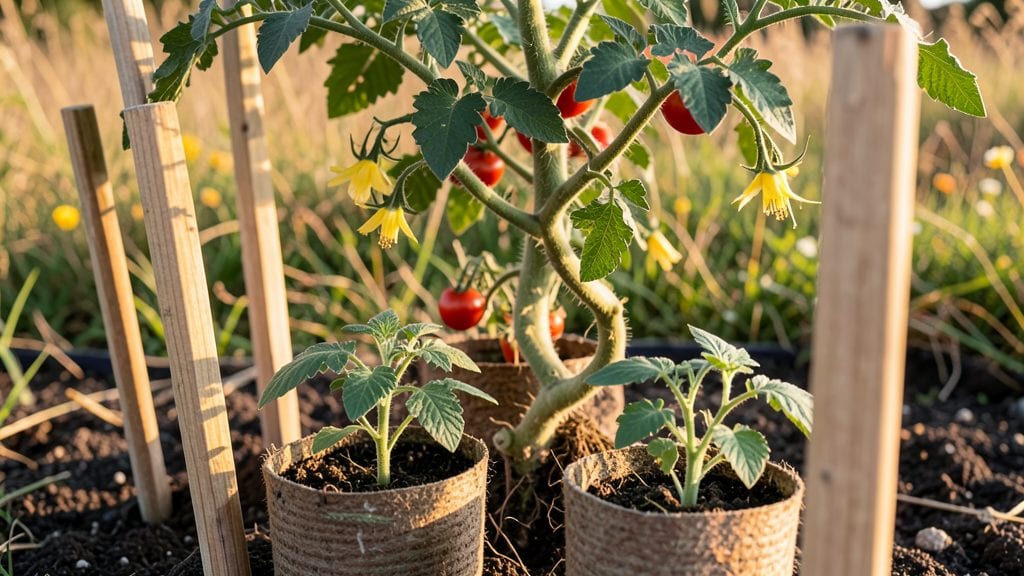
Getting your tomato garden spacing right is the difference between a handful of ripe 🍅 fruits and a bounty that feeds you all summer.
Struggling to get the most out of your tomato plants? Proper spacing isn’t just about fitting more plants—it’s the secret to preventing disease, boosting fruit production, and ensuring airflow that keeps your garden thriving all season. One crowded row can turn a thriving harvest into a sad, blighted mess.
In Zone 6a, where spring planting kicks off in April and harvests stretch into October, spacing matters even more. A determinate variety like 'Roma' needs room to bush out, while an indeterminate like 'Sungold' will climb and sprawl if you don’t give it space to breathe.
Get this wrong, and you’re fighting pests, blight, and weak stems all season.
Below, I’ll walk you through the exact spacing rules for your garden—whether you’re working with 10 square feet or a full raised bed—plus how to tweak your layout for bigger yields, fewer diseases, and tomatoes that keep coming until frost.
Optimal tomato plant spacing by variety: determinate vs indeterminate guide
Getting your tomato garden spacing right isn’t just about cramming in more plants—it’s about creating the perfect environment for maximum yield and disease prevention.
Whether you’re growing determinate (bush) or indeterminate (vining) varieties, proper spacing ensures strong airflow, reduces humidity around foliage, and prevents soil-borne diseases like blight and powdery mildew. I’ve learned the hard way that squeezing plants too close can turn a thriving garden into a fungal hotspot!
Determinate tomatoes grow in compact bushes and produce fruit all at once, while indeterminate varieties climb indefinitely and produce fruit continuously. This difference means their spacing needs are completely different.
For example, a 6-foot indeterminate like Sungold needs 3 feet between plants to support its vines, while a 3-foot determinate like Roma can handle 18 inches apart. Let’s break down the exact spacing you need for each type to avoid crowding and boost your harvest.
Why spacing matters: Too little space leads to shady stems, poor fruit set, and increased disease risk. Overcrowded plants compete for water, nutrients, and sunlight, resulting in smaller, less flavorful tomatoes. On the flip side, giving plants room improves air circulation, which keeps leaves dry and reduces fungal spores. Proper spacing also makes it easier to prune, harvest, and monitor for pests.
Here’s the key: Determinate tomatoes thrive with closer spacing because they’re self-supporting, while indeterminate tomatoes need wide spacing to accommodate their sprawling vines. If you’re using trellises or cages, you can adjust spacing slightly, but never sacrifice airflow.
I’ll share my go-to spacing guidelines below, including row spacing and plant-to-plant distances for both types.
Pro tip: Always measure from the main stem to the outer leaves of neighboring plants. This ensures the canopy doesn’t touch, which is where most disease outbreaks start. For example, if you plant indeterminate tomatoes 3 feet apart but their leaves start brushing at 2 feet, you’re asking for trouble. Use a measuring tape at planting time to avoid guesswork!