Pests
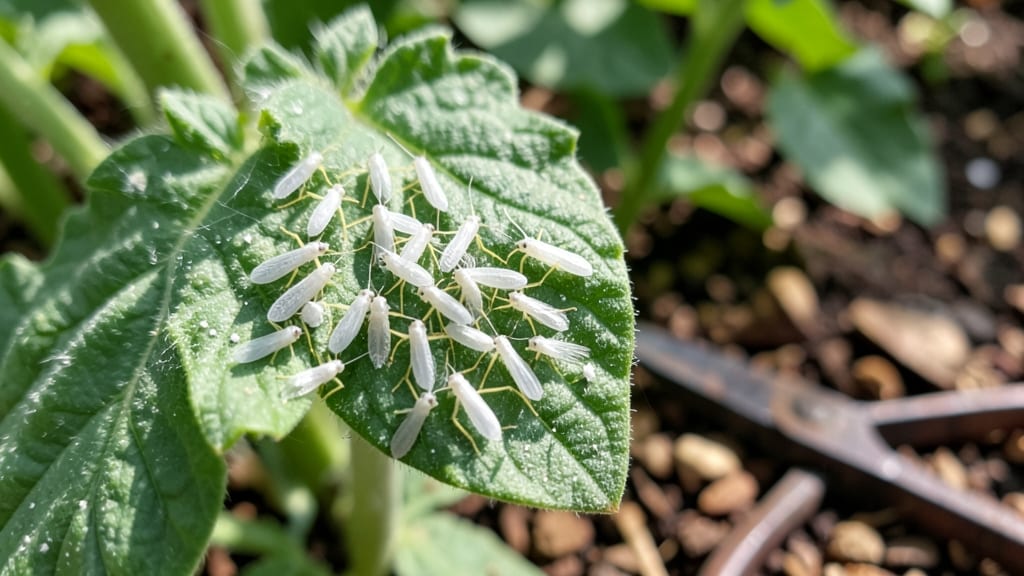
Whiteflies in your garden aren’t just annoying—they can strip plants bare in days if you don’t act fast. 🌿 I’ve battled these tiny white pests on my tomato plants and learned the three fastest natural sprays that actually work without harming your garden’s ecosystem.
The key is acting within 48 hours of spotting them before they multiply uncontrollably.
These pests thrive on weak plants, so the first step is often fixing what’s making your garden their all-you-can-eat buffet. Overwatering, crowded plants, and stressed foliage invite them in.
Once they’re there, neem oil and insecticidal soap become your secret weapons—both disrupt their life cycle and stop new eggs from hatching. I’ve seen infestations vanish within 3-5 days of consistent spraying.
You’ll know the sprays are working when you stop seeing new whiteflies and the existing ones drop off within hours. The plants will perk up, too—no more sticky honeydew residue or sooty mold ruining the leaves. For stubborn cases, introduce beneficial predators like ladybugs or lacewings, which hunt whiteflies naturally.
Prevention is easier than cleanup: monitor undersides of leaves weekly, prune crowded growth, and keep beneficial insects happy. These solutions work for tomatoes, peppers, citrus, and even houseplants—no matter what’s getting attacked. Let’s get those pests under control for good.
Root Causes of Whitefly Infestations
Whiteflies may seem like tiny, harmless pests, but their rapid reproduction and plant-sapping habits make them a persistent garden nuisance. Understanding why they thrive in your garden is the first step to stopping them in their tracks.
Below, we break down the key factors that turn your green oasis into a whitefly buffet—and how to address them.
🌱 Overcrowded or Stressed Plants
Whiteflies are drawn to plants that are already struggling. When plants are stressed—whether from drought, poor soil nutrition, or overcrowding—they emit volatile organic compounds (VOCs) that act like a dinner bell for these pests. Why? Stressed plants have weaker defenses, making them easier targets for whitefly eggs and larvae.
- Drought stress: Whiteflies love plants that aren’t getting enough water. Wilting leaves release sugars that attract them.
- Nutrient deficiencies: Plants lacking nitrogen, phosphorus, or potassium are more vulnerable to infestations.
- Root-bound or overcrowded plants: Competition for resources weakens plants, making them prime whitefly hosts.
Actionable fix: Ensure proper spacing between plants, water deeply and consistently, and use a balanced fertilizer to keep foliage healthy and resilient.
🌿 Warm, Humid Microclimates
Whiteflies thrive in warm, humid conditions, especially between 70–90°F (21–32°C).
They’re most active in greenhouses, tropical regions, or shaded garden spots where temperatures stay elevated. Why? Heat speeds up their life cycle—females can lay hundreds of eggs in just weeks, and humidity helps their sticky honeydew thrive (which also promotes sooty mold).
- Greenhouses and polytunnels: Enclosed spaces trap heat and moisture, creating a whitefly paradise.
- Shady or mulched beds: Reduced airflow and trapped heat make these areas ideal breeding grounds.
- Southern exposures or urban heat islands: Pavement and buildings radiate heat, raising local temperatures.
Actionable fix: Improve airflow with fans or strategic pruning, avoid over-mulching in hot climates, and consider shade cloth in peak summer months to moderate temperatures.
🌍 New or Infested Plants
Whiteflies spread rapidly through plant movement, whether you’re bringing home a new houseplant, swapping cuttings with neighbors, or leaving garden tools near infested areas. Why? Adult whiteflies are strong fliers and can disperse up to half a mile in search of food, but they also hitchhike on:
- New purchases: Many nursery plants carry hidden eggs or pupae, especially tropical varieties like poinsettias, hibiscus, or citrus.
- Seedlings and cuttings: Even small plant fragments can harbor whitefly colonies.
- Contaminated tools or soil: Pots, pruners, and soil mixes can transfer pests between plants.
Actionable fix: Quarantine new plants for 2–4 weeks, inspect leaves (especially undersides) before introducing them to your garden, and clean tools with 70% isopropyl alcohol or hot, soapy water.
🍯 Honeydew and Secondary Pests
Whiteflies don’t just damage plants—they create a feedback loop of infestation. Their sticky honeydew attracts ants, aphids, and sooty mold, which further stress plants and make them more appealing to whiteflies. Why? Honeydew is a byproduct of their sap-sucking diet, and it:
- Feeds ants: Ants “farm” whiteflies, protecting them from predators in exchange for honeydew.
- Promotes sooty mold: A black, fungal growth that blocks sunlight, reducing photosynthesis.
- Attracts more pests: Aphids and scale insects thrive in the same sugary environment.
Actionable fix: Disrupt the cycle by controlling ants (use borax baits or diatomaceous earth) and regularly wiping honeydew from leaves with a damp cloth.
By tackling these root causes—plant stress, climate, hitchhiking pests, and honeydew cycles—you’ll create an environment where whiteflies struggle to survive. The next step? Natural sprays that hit them fast.
Beat Back Whiteflies Fast
Whiteflies may be tiny, but their damage adds up quickly—so don’t wait to act! Below, we’ve mapped the most common causes of infestations to practical, fast-acting solutions, plus prevention tips to keep your garden whitefly-free long-term.
Whether you’re dealing with a sudden outbreak or want to avoid future flare-ups, these methods work for organic gardeners and busy growers alike.
---
If your plants are covered in whiteflies (or you’re seeing sticky honeydew everywhere), act now with these high-impact fixes:
#### 🍳 DIY Yellow Sticky Traps (Catches Adults Fast) Why it works: Adult whiteflies are drawn to yellow—this trap lures them away from your plants. How to do it: - Buy pre-made yellow sticky cards (or make your own with yellow cardstock + petroleum jelly). - Hang 2–3 traps per 100 sq ft, placing them above the plant canopy (whiteflies fly upward). - Check daily and replace when saturated (they’ll drown the pests in sticky goo). - Pro tip: 💡 Add a blue or white trap too—some species prefer those colors!
Time to see results: 3–7 days (traps reduce adult populations quickly).
---
#### 👨🍳 Soap Spray (Kills All Life Stages) Why it works: A homemade soap spray disrupts whitefly cell membranes, killing eggs, nymphs, and adults on contact. Recipe: - 1 tbsp mild liquid castile soap (like Dr. Bronner’s) - 1 tbsp vegetable oil (coating helps it stick) - 1 quart warm water - Optional boost: Add 1 tsp neem oil for extra power.
How to apply: - Spray thoroughly (top and bottom of leaves) until glistening wet. - Reapply every 5–7 days until infestation clears. - Avoid spraying in direct sun (can burn leaves)—do it early morning or late evening.
Time to see results: 5–10 days (repeat until no more whiteflies hatch).
--- #### 🥘 Neem Oil Blast (Stops Reproduction) Why it works: Neem oil smothers eggs and repels adults, breaking their life cycle. How to use: - Mix 1 tbsp neem oil + 1 tsp mild soap in 1 quart water. - Spray at dusk (avoids harming bees). - Reapply every 7–10 days for 3–4 weeks.
Bonus: 🌡️ Heat treatment (for severe cases): - Use a hair dryer on low heat to blow air onto infested leaves for 2–3 minutes. The heat kills nymphs and eggs instantly.
---
Once you’ve crushed the current infestation, stop them from coming back with these smart habits:
#### 🌿 Strengthen Plant Health (Weak Plants Attract Pests) Whiteflies love stressed plants—so give yours the best defense: - Water deeply but less often (avoid soggy soil—their favorite breeding ground). - Fertilize regularly (balanced 10-10-10 or compost tea keeps plants resilient). - Prune yellowing leaves (pests target weak spots). - Rotate crops (don’t plant the same family—like tomatoes, peppers, or squash—in the same spot yearly).
#### 🎯 Introduce Beneficial Insects (Nature’s Pest Control) Let predatory bugs do the dirty work for you: - Ladybugs 🐞 – Eat hundreds of whiteflies daily. Release them in the morning (they’re sluggish at night). - Lacewings 🪰 – Their larvae devour whitefly nymphs.
Buy eggs or adults online. - Parasitic wasps (like Encarsia formosa) – Lay eggs inside whitefly pupae, killing them from within. - Where to buy: Local garden centers, online suppliers (e.g., Arborjet, Gardeners.com).
Pro tip: ✨ Plant companion flowers like marigolds, dill, or fennel to attract these helpers!
#### 🚫 Barrier Defense (Keep Them Out Before They Start) - Row covers (fine mesh) over young plants blocks adults from laying eggs. - Reflective mulch (aluminum foil or silver plastic) confuses whiteflies and deters them. - Copper tape around pots gives a mild electric shock to crawling pests (works for nymphs).
--- If your garden is still overrun after 2–3 weeks of DIY treatments, consider: - Horticultural oil sprays (like JMS Stylet Oil) for heavy-duty smothering. - Systemic neonicotinoid treatments (last resort—only use if organic methods fail, as they can harm bees). - Professional pest control for commercial or large-scale gardens.
--- Final Reminder: 🔥 Act fast, but stay consistent. Whiteflies multiply exponentially, so daily checks + weekly sprays are key. Once your plants are clean, keep those traps up and healthy plants thriving—your garden will stay whitefly-free!
Frequently asked questions
What do whiteflies look like up close?
Whiteflies are tiny, 1/16-inch white insects that resemble miniature moths. They’re covered in white, waxy powder and have four delicate wings that flutter rapidly when disturbed. Look for them clustered on the undersides of leaves, especially on plants like tomatoes, peppers, or citrus.
How do I know if my plants have whiteflies or just aphids?
Whiteflies and aphids both suck plant sap, but whiteflies are more mobile and create a cloud of tiny white specks when leaves are shaken. Aphids are usually green, black, or yellow and stay put. Also, whiteflies leave sticky honeydew that attracts ants, while aphids often cause curled leaves.
Why do whiteflies keep coming back after I treat them?
Whiteflies reproduce exponentially, so if you miss eggs or nymphs, new adults emerge within 7-10 days. To break the cycle, treat every 5-7 days for 3-4 weeks and focus on undersides of leaves. Also, check for ants—they protect whiteflies in exchange for honeydew, so control them with borax baits.
Are yellow sticky traps enough to eliminate whiteflies?
Sticky traps reduce adult populations but won’t eliminate eggs or nymphs hiding on plants. Use them as a supplement to sprays like neem oil or insecticidal soap. For best results, combine traps with weekly treatments and beneficial insects like ladybugs.
Can I use neem oil on edible plants like tomatoes or peppers?
Yes, neem oil is safe for edible plants when used correctly. Always apply at dusk to avoid harming bees, and wait 24 hours before harvesting. For extra safety, rinse fruits/veggies before eating. Neem oil disrupts whitefly life cycles without leaving toxic residues.