Flowers
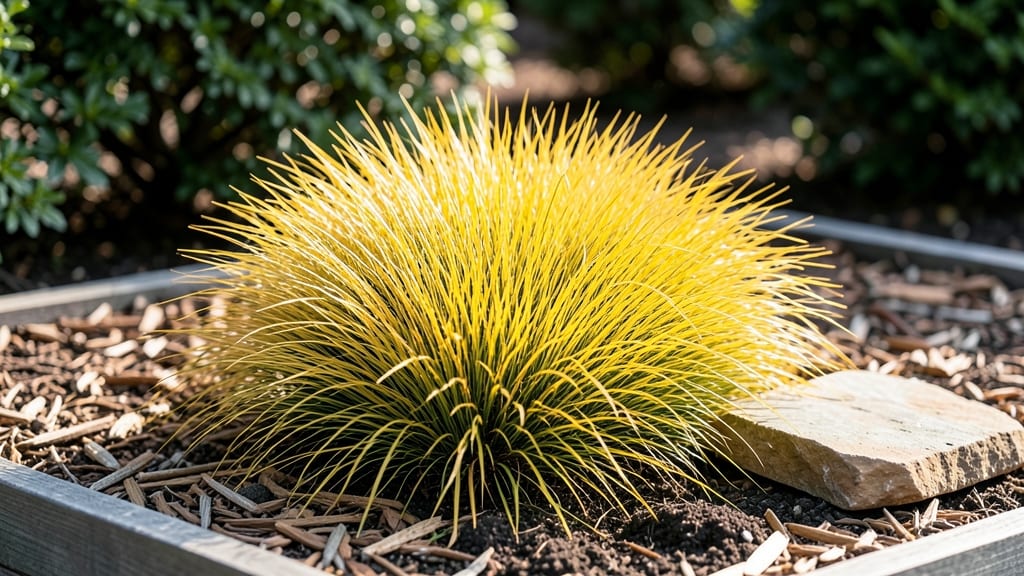
A solid ground garden isn’t just about surviving drought—it’s about thriving on purpose. I designed mine after years of watching perennials wilt in the summer heat, and now it stays lush with almost no extra water.
The secret lies in pairing the right plants with minimalist hardscapes that hold moisture where it matters.
Think gravel pathways that wick away heat, smooth river rocks that reflect sunlight, and clusters of drought-tolerant perennials like lavender, sedum, and Russian sage. These plants don’t just endure—they flourish with bold colors and textures that make the garden pop year-round.
My favorite combo? A mix of silver foliage and deep purple blooms that contrasts beautifully against the neutral tones of the ground.
You’ll end up with a garden that looks intentional, not labor-intensive. The colors stay vibrant even in the hottest months, and the design feels modern and serene. Plus, you’ll spend less time watering and more time enjoying the space. Here’s how to create that same effortless beauty in your yard.
This approach works for modern landscapes, Zen-inspired spaces, or even small urban patios. The key is balancing structure with plant life—so the ground does half the work for you. Let’s get started with the foundational elements that make it all click.
The Hidden Triggers Behind Fading Gardens
Even the most carefully planned drought-resistant perennial gardens can struggle to thrive if key environmental factors aren’t addressed. Understanding why plants fail to flourish—despite their reputation for resilience—helps gardeners create solid ground that supports vibrant, year-round color.
Here’s a breakdown of the science behind common challenges, with actionable insights to prevent them.
Drought-tolerant perennials like lavender, sedum, or Russian sage are bred to handle dry conditions, but rapid temperature shifts—especially late frosts or scorching heat—can shock their systems. The issue stems from:
- Cell membrane damage: Freezing temperatures cause ice crystals to form in plant cells, rupturing them. Conversely, sudden heat spikes (above 95°F) disrupt photosynthesis, leading to wilting or leaf scorch.
- Root zone stress: Soil heats up faster than air, baking roots in containers or shallow beds. This forces plants into survival mode, diverting energy from blooms to root repair.
- Transpiration overload: Hot, dry winds increase water loss through leaves, even in drought-resistant species. Without deep watering, roots can’t compensate.
Actionable fix:
- Mulch with 3–4 inches of organic matter (e.g., wood chips, straw) to stabilize soil temps and retain moisture.
- Choose heat-tolerant varieties (e.g., ‘Ice Plant’ sedum or ‘Walker’s Low’ catmint) for zones with extreme summer heat.
- Use shade cloth (30–50%) during peak afternoon sun to protect young plants or high-value bloomers.
Contrary to myth, drought-tolerant perennials need water—just less frequently and more deeply. Shallow, frequent watering tricks plants into developing weak root systems that can’t reach moisture reserves. The science:
- Root depth illusion: Plants watered at the surface grow roots only 2–3 inches deep. When drought hits, these roots dry out quickly, stranding the plant.
- Fungal invitations: Light, daily watering creates soggy soil, promoting Phytophthora or Pythium—fungi that rot roots even in "drought-proof" species.
- Nutrient leaching: Frequent top-watering washes away soil microbes and nutrients, leaving plants starved despite their hardy reputations.
Actionable fix:
- Water deeply 1–2 times per week (or as needed) to encourage roots to grow 12+ inches deep. Use a soaker hose or drip irrigation to deliver moisture directly to the root zone.
- Test soil moisture with a screwdriver or moisture meter. If it’s dry 2–3 inches down, it’s time to water.
- Avoid watering after 10 AM to reduce evaporation and fungal risks.
Drought-tolerant perennials often fail because their root zones are mismatched to their needs. While they tolerate dryness, they still require aerated soil with some water-holding capacity. Common soil pitfalls:
| Problem Soil Type | Why It Fails | Fix It With |
|---|---|---|
| Clay-heavy soil | Poor drainage causes root suffocation; water pools instead of draining, leading to rot. | Amend with 50% compost + perlite to improve aeration. |
| Pure sand | Lacks nutrients and holds zero moisture, forcing roots to work overtime. | Mix in peat moss or coconut coir (20–30%) to retain humidity. |
| Compacted soil | Restricts root growth; plants become stunted and prone to disease. | Loosen with a broadfork and top-dress with leaf mold. |
Actionable fix:
- Conduct a jar test: Fill a jar with soil and water. If water drains in 2–4 hours, your soil is ideal. If it pools (clay) or drains instantly (sand), amend it.
- Add hydrating gels (like hydrogel crystals) to sandy beds to boost moisture retention.
- Mulch with fine bark or straw to prevent soil compaction from foot traffic.
Even "low-maintenance" perennials face stealthy threats. Insects and microbes often go unnoticed until plants show symptoms like yellowing, stunted growth, or sudden wilting. Key culprits:
- Root-knot nematodes: Microscopic worms that feed on roots, causing galls (lumpy growths) that block water and nutrient uptake. Common in lavender and yarrow.
- Scale insects: Sap-sucking pests that coat stems/leaves with a waxy shield, weakening plants by reducing photosynthesis. Often mistaken for dirt.
- Powdery mildew: A fungal infection that thrives in humid, shady conditions, creating a white powder on leaves. It stresses plants, making them more susceptible to drought.
Actionable fix:
- Inspect roots when transplanting. Soak roots in neem oil solution (1 tbsp/gal water) for 10 minutes to deter nematodes.
- Encourage beneficial insects (ladybugs, lacewings) by planting dill, fennel, or cosmos nearby.
- Space plants 3–4 feet apart to improve airflow and reduce fungal spread.
- Apply baking soda spray (1 tsp baking soda + 1 quart water + drop of soap) weekly for powdery mildew.
Gardeners often assume "drought-tolerant" = "low-need", but over-fertilizing—especially with high-nitrogen or synthetic blends—can backfire by:
- Promoting soft, lush growth: Plants prioritize leafy stems over root development, making them more vulnerable to drought stress.
- Burning roots: Excess salts from fertilizers disrupt the soil microbiome, leading to root dieback.
- Attracting pests: Rapid growth draws aphids, spider mites, and whiteflies, which further weaken plants.
<
Revitalize Your Drought-Resistant Garden
A thriving, year-round garden doesn’t have to be a pipe dream—even in dry climates! If your solid ground gardens are struggling, the good news is that most issues have simple, practical fixes. Below, we’ll map common problems to proven solutions, so you can restore vibrancy without overhauling your entire landscape.
---
Problem: Compacted, nutrient-poor soil or inconsistent watering. Solution: - 🔥 Amend the Soil – Mix in 3–4 inches of compost or aged manure to improve drainage and fertility. For heavy clay, blend in coarse sand or perlite (1 part amendment to 3 parts soil). - 💧 Adjust Watering – Most drought-tolerant perennials prefer deep, infrequent watering (1–2 inches per week). Use drip irrigation or soaker hoses to deliver water directly to roots and reduce evaporation. - 🌡️ Mulch Like a Pro – Apply 2–3 inches of organic mulch (straw, wood chips, or gravel) to retain moisture and regulate soil temperature.
Prevention Tip: 💡 Test your soil’s drainage—dig a 12-inch hole, fill it with water, and time how long it takes to drain. If it’s slower than 4 hours, amend immediately!
---
Problem: Chewed leaves, wilting plants, or fungal spots. Solution: | Issue | Quick Fix | Prevention | |-------------------------|----------------------------------------|-----------------------------------------| | Aphids/Spider Mites | Spray with neem oil or soapy water (1 tsp mild soap + 1 quart water). | Introduce ladybugs or lacy-winged lacewings. | | Powdery Mildew | Remove infected leaves; spray baking soda mix (1 tbsp baking soda + 1 quart water + a drop of soap). | Space plants for airflow; water at base, not foliage. | | Deer/Rabbit Damage | Install physical barriers (chicken wire, fencing) or use repellent plants like lavender or Russian sage. | Plant unpalatable perennials (e.g., lamb’s ear, sedum) as buffers. |
Pro Tip: ✨ Companion planting works—pair lavender with rosemary to deter pests naturally!
---
Problem: Overgrown, leggy plants or deadheading neglect. Solution: - 🍳 Deadhead Regularly – Snip spent blooms just above the next set of leaves to encourage reblooming. Use clean, sharp shears to avoid disease. - 👨🍳 Trim for Shape – Prune early spring (before new growth) for woody perennials (e.g., salvia, catmint). For grasses, cut back in late winter to 6 inches. - 🔪 Remove the Dead – If a plant is completely brown, pull it and replace with a hardier variety (e.g., swap dying coreopsis for ‘Moonbeam’ coreopsis).
Time-Saver: ⏰ Set a reminder for spring and fall pruning—most drought-tolerant perennials thrive with minimal upkeep!
--- Problem: Sun scorch, wind damage, or extreme heat stress. Solution: - 🌿 Provide Partial Shade – Use cloth shade sails (30–50% coverage) for afternoon sun protection.
Group heat-sensitive perennials (e.g., coneflowers) with taller plants for natural shade. - 🌡️ Boost Heat Tolerance – Water early morning (before 10 AM) to reduce evaporation.
Add hydrogel crystals to soil for slow-release moisture. - 💨 Windbreaks – Plant fast-growing shrubs (e.g., Russian olive, cotoneaster) on windy sides or use bamboo screens for temporary protection.
Smart Swap: 🌱 If a plant keeps struggling, replace it with a native variety—many (like blanket flower or yarrow) are bred for local climates!
--- Problem: Keeping the garden low-effort but high-impact. Solution: - 🌱 Choose Perennials with Staying Power – Opt for self-seeding (e.g., black-eyed Susan) or aggressive spreaders (e.g., creeping thyme) to reduce replanting. - 📅 Plant in Layers – Combine tall backdrops (e.g., purple coneflower), mid-height fillers (e.g., salvia), and ground covers (e.g., sedum) for year-round interest. - 🔄 Rotate Seasonally – Swap out spring bulbs (daffodils) for fall/winter interest (e.g., ornamental kale, hellebores) to keep color flowing.
Bonus Tip: ✨ Take “before” photos—it’s amazing how much a little TLC transforms a struggling garden in just one season!
--- Your drought-tolerant garden can be lush, low-maintenance, and stunning—it just takes targeted fixes and a little patience. Try one solution at a time, and watch your solid ground gardens bounce back to full bloom! 🌸💦
Frequently asked questions about structured landscapes
What makes a landscape a "solid ground" garden?
A solid ground garden focuses on stable, low-maintenance design using minimalist hardscapes like gravel, rocks, and pathways combined with drought-tolerant perennials. The key is balancing structure with plant life to create a cohesive, intentional look that thrives with less water and care. Think Zen-inspired spaces or modern xeriscapes where the ground does half the work.
Can I create this style in a small urban yard?
Urban spaces often work perfectly for solid ground gardens because they emphasize vertical layers and smart plant placement. Use containers for taller perennials, create defined pathways with stepping stones, and incorporate ground covers like creeping thyme or sedum. Even a tiny patio can become a striking, low-water oasis with the right plant combinations.
Which plants work best for year-round color in these gardens?
For vibrant, low-maintenance color, focus on drought-tolerant perennials like lavender (silver foliage), Russian sage (deep purple blooms), and sedum (succulent-like textures). Add ornamental grasses for movement and evergreen shrubs like boxwood for structure. The color palette stays bold while requiring minimal watering once established.
How do I prevent weeds in a gravel-based design?
Use landscape fabric under gravel pathways and beds, but leave edges exposed to allow water drainage. For plant beds, apply a thick layer of 3-4 inches of mulch (wood chips or gravel) and choose ground covers like creeping phlox or ice plant that naturally suppress weeds. Regularly inspect edges where weeds often creep in.
What's the biggest mistake beginners make with these gardens?
The most common error is overwatering—assuming drought-tolerant plants need frequent moisture. These gardens thrive on deep, infrequent watering (1-2 times per week) to encourage deep root growth. Another mistake is using too much soil in gravel beds, which can suffocate plants. Always follow the "one-third soil, two-thirds gravel" rule for proper drainage.