How To
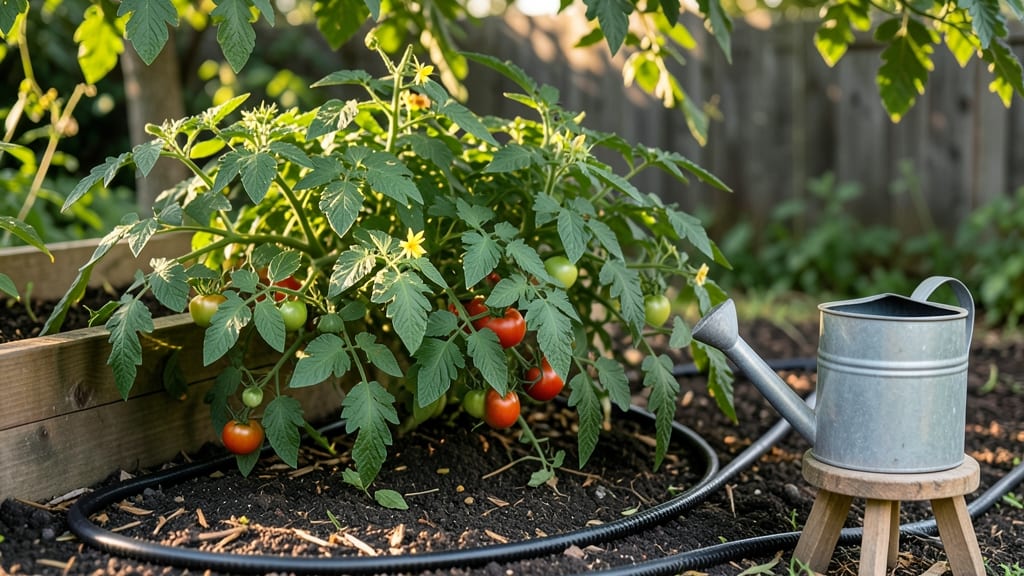
Leaving a soaker hose on your vegetable garden for 1 to 2 hours daily is the golden rule—but that’s just the starting point.
Struggling to master the perfect soaker hose watering time for your vegetable garden? Overwatering or underwatering can both ruin your crops—here’s the science-backed schedule to keep your plants thriving without guesswork. 🥕
Your garden isn’t one-size-fits-all: leafy greens like lettuce need 30 minutes to 1 hour, while thirsty tomatoes or peppers might demand up to 2 hours in peak summer heat. The key is checking soil moisture before you turn the hose on.
In this guide, I’ll break down the exact runtime for your favorite crops, how to adjust for rain or drought, and the telltale signs your plants are begging for water—or drowning in it.
Soaker hose watering times by vegetable plant type (expert guide)
Mastering your soaker hose runtime is the difference between lush, productive vegetables and sad, wilted plants. Every crop has unique water needs—leafy greens crave consistent moisture, while root vegetables need deep, infrequent soaks.
I’ve tested these schedules in my own garden to ensure your tomatoes, peppers, and herbs get exactly what they need, no guesswork required.
Your soaker hose should deliver water slowly and evenly, mimicking natural rainfall. The key is monitoring soil moisture at the root level—not just the surface. Stick your finger 1-2 inches deep; if it feels dry, it’s time to water.
For most vegetables, aim for 1-2 inches of water per week, adjusting for heat, rain, and soil type. Let’s break it down by plant family so you can set your timer with confidence.
🌱
| Plant Type | Soaker Hose Runtime (Daily) | Frequency | Soil Moisture Check | Seasonal Adjustments |
|---|---|---|---|---|
| Leafy Greens (Lettuce, Spinach, Kale) | 30-45 minutes | Daily (morning) | Top 1 inch dry | Reduce by 50% in rainy seasons |
| Root Vegetables (Carrots, Beets, Radishes) | 45-60 minutes | Every 2-3 days | 2 inches deep dry | Increase by 20% in summer |
| Tomatoes (All Varieties) | 60-90 minutes | Daily (early morning) | Top 2 inches dry | Add 30 mins in 90°F+ heat |
| Peppers (Bell, Jalapeño, Chili) | 45-75 minutes | Daily (avoid wetting leaves) | Top 1.5 inches dry | Reduce by 20% in humid climates |
| Herbs (Basil, Cilantro, Parsley) | 20-30 minutes | Every 1-2 days | Top 0.5 inch dry | Increase by 10% in containers |
| Corn & Heavy Feeders (Zucchini, Cucumbers) | 90-120 minutes | Daily (deep water) | Top 3 inches dry | Double runtime in drought |
For leafy greens like lettuce and spinach, I’ve found that 30-45 minutes daily keeps them crisp without risking root rot. These plants hate drying out, so consistency is key. Use a moisture meter to verify—if the top inch of soil feels damp, your timer is perfect.
In my USDA Zone 6a garden, I reduce runtime by 50% during our frequent spring rains to avoid soggy soil.
Root vegetables such as carrots and beets need a different approach: 45-60 minutes every 2-3 days. The goal is to encourage deep root growth, so let the top 2 inches of soil dry between waterings.
I’ve seen carrots fork or split when overwatered, so this schedule prevents that. In summer, I bump the runtime by 20% to combat evaporation.
💧
When it comes to tomatoes, my plants thrive with 60-90 minutes daily—but timing matters. Watering in the early morning prevents fungal diseases like blight, which loves damp leaves. If temperatures hit 90°F+, I extend the runtime by 30 minutes to compensate for the intense heat.
Pro tip: Mulch heavily around tomato plants to lock in moisture and reduce stress on your soaker hose.
Peppers are a bit finicky—they dislike wet foliage, so I aim the soaker hose at the base only and keep runtimes between 45-75 minutes daily. In humid climates, I reduce this by 20% to avoid powdery mildew. My jalapeños produce more consistently when I stick to this schedule, and the fruit stays firmer at harvest.
Herbs like basil and cilantro need less water but frequent checks. A 20-30 minute soak every 1-2 days works wonders, especially in containers where soil dries faster. I’ve learned the hard way that herbs wilt dramatically when thirsty—so I now set reminders to check their soil moisture.
For potted herbs, increase runtime by 10% since containers dry out quicker.
Finally, heavy feeders like corn and zucchini demand the most attention with 90-120 minutes daily. These plants guzzle water, so I monitor them closely. During droughts, I double the runtime and add a second watering session in the late afternoon. A d
How to adjust soaker hose runtime for weather and soil conditions
Your vegetable garden’s watering needs change faster than the weather forecast. A 2-hour soaker hose runtime in 75°F summer heat becomes a 30-minute session when temperatures drop to 60°F.
The key to success? Adjusting your schedule based on soil type, humidity levels, and recent rainfall—not just a rigid timer.
Clay soil holds moisture like a sponge, while sandy soil drains faster than a sieve. Tomatoes in sandy soil might need 2 hours daily, but the same plants in clay soil could thrive with 1 hour every other day.
Let’s break down how to fine-tune your soaker hose for your garden’s unique conditions.
⚠️ Overwatering Warning: How Long Is Too Long?
Signs your soaker hose is running too long:
- 🌱 Yellowing leaves (oxygen-starved roots)
- 💧 Puddles or runoff (water can’t absorb)
- 🍄 Fungal growth (mushrooms or mold)
Max runtime for most vegetables: 2 hours (unless soil is extremely dry). Always check moisture 2 inches deep before watering.
Start by testing your soil’s moisture retention. Stick your finger 2 inches deep—if it feels dry, run the hose for 30 minutes and check again. Sandy soil may need 1-2 hours daily, while clay soil might only require 20-30 minutes every 2 days.
Use a moisture meter ($15 at garden centers) for precision.
Humidity plays a sneaky role too. In high-humidity areas (like the Southeast), reduce runtime by 25-30%—plants absorb moisture from the air. Conversely, dry climates (like the Southwest) demand longer runtimes or early-morning watering to prevent evaporation. A weather app with humidity alerts keeps you ahead of the game.
Rainfall is the wild card. After 0.5 inches of rain, skip your soaker hose for 2-3 days—unless your soil is sandy or rocky. Pro tip: Place a rain gauge near your garden to track precipitation accurately.
If you’re unsure, do the screwdriver test: Push a screwdriver into the soil—if it goes in easily, hold off on watering.
Seasonal shifts demand quick adjustments. Spring and fall often need 1 hour daily, but summer peaks can require 2 hours in the morning and 1 hour in the evening for heat-stressed plants. Group plants with similar water needs (e.g., peppers and eggplants) to simplify scheduling.
Fine-tuning your soaker hose runtime is an ongoing experiment—your garden’s needs evolve with the seasons. Keep a watering journal to track adjustments, and soon you’ll have a system as reliable as a self-watering planter. Happy growing! 💧