Planting
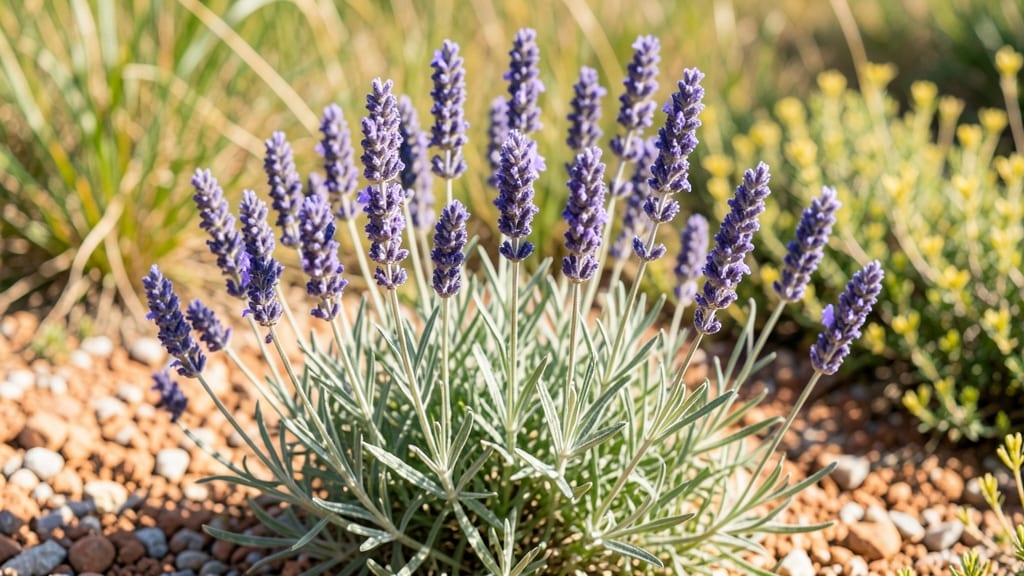
Mastering garden plant identification by leaf, stem, and flower saves you from pulling the wrong plants—and wasting hours of frustration. 🌿 I’ve spent years mistaking lamb’s ear for a weed or thinking my neighbor’s hostas were daylilies, until I learned the telltale signs: leaf veins, flower clusters, and growth patterns.
These visual cues are like a plant’s fingerprint, and once you know them, you’ll spot the difference instantly.
The biggest mistakes happen when we focus on one feature—like flower color—while ignoring leaf shape or stem texture. A simple field guide or plant ID app (like PlantNet or iNaturalist) turns guesswork into confidence.
Snap a photo, match the leaf veins or flower arrangement, and suddenly that mystery plant reveals itself. Even experienced gardeners use these tools—no shame in it.
You’ll start recognizing your garden’s cast of characters in minutes: the fuzzy lamb’s ear, the jagged-toothed hosta, the clustered daylily blooms. No more second-guessing what to keep or pull.
The next step? Bookmark this guide for your phone’s photo library so you can pull it up the next time you’re knee-deep in foliage with a magnifying glass.
This works for weeds too—knowing the difference between creeping Charlie and a beneficial ground cover means you’ll pull the right plant every time. Once you master these visual clues, your garden becomes a place of certainty, not confusion. Let’s get those leaves under the microscope.
Common Causes of Misidentification
Mistaking one plant for another in your garden can be frustrating—especially when you’re trying to nurture the right species! Whether you’re a seasoned gardener or just starting out, misidentification often stems from a few key factors. Understanding these causes can help you sharpen your plant-spotting skills and avoid costly errors.
Let’s break down the most common reasons why garden plants get mixed up, so you can confidently recognize what’s growing in your green space.
---
Many plants share similar leaves, flowers, or stems, making them easy to confuse at first glance.
For example: - Leaves: Some plants, like mint and oregano, have serrated edges and aromatic foliage, but their leaf shapes and growth habits differ. - Flowers: Wildflowers such as black-eyed Susans and goldenrod may look alike from a distance, but their petal structures and seed heads vary. - Stems: Woody stems (like those of raspberry and blackberry bushes) can appear identical until you examine the thorns, leaf arrangement, or fruit.
Actionable Tip: 🔍 Use a magnifying glass or phone app to inspect fine details—like leaf veins, flower symmetry, or stem texture—that set plants apart.
---
Plants change dramatically as they mature or shift seasons.
A seedling might look nothing like its adult form, and some species only bloom in specific months. - Seedlings vs. Mature Plants: A young oak tree’s leaves resemble those of a hickory until it develops acorns and distinct bark. - Dormant vs. Active Growth: Deciduous trees shed leaves in winter, while evergreens retain theirs—confusing newcomers who assume all green plants are the same.
Actionable Tip: 📅 Track seasonal changes in your garden. Take photos of plants at different stages to compare later.
---
Native plants often have close relatives in the same area, leading to frequent mix-ups.
For instance: - Poison Ivy vs. Virginia Creeper: Both have three-leaf clusters, but poison ivy’s leaves have smooth edges and a glossy sheen, while Virginia creeper’s are deeply lobed. - Dandelions vs. Sow Thistle: Both produce yellow flowers, but sow thistle’s leaves are spiny, and its stems are ridged.
Actionable Tip: 🗺️ Research native plants in your USDA hardiness zone—local nurseries and extension offices can provide tailored guides.
--- Relying on blurry, cropped, or low-resolution images for identification can lead to errors. A close-up of a single leaf might not show the plant’s full structure, while a wide shot could exclude key details like flower color or fruit.
Actionable Tip: 📲 When using apps or online databases, upload clear, well-lit photos showing leaves, stems, flowers, and fruit (if applicable).
--- Many garden plants are hybrids or cultivars bred for specific traits, making them harder to identify.
For example: - Roses: A ‘Knock Out’ rose may resemble a wild rose at first glance, but its disease resistance and flower clusters differ. - Herbs: Culinary basil and Thai basil have similar leaves but distinct flower spikes and fragrances.
Actionable Tip: 🌱 Check plant tags or ask nurseries about cultivars—some hybrids are labeled to avoid mix-ups.
--- Pests (like aphids or spider mites) and diseases (such as powdery mildew) can distort a plant’s natural features, making it look like something else entirely. - Yellowing Leaves: A nutrient deficiency might mimic a disease, while fungal spots could make a healthy plant appear sickly. - Stunted Growth: Overwatering or root rot can change a plant’s shape, confusing even experienced gardeners.
Actionable Tip: 🦟 Inspect plants for pests or unusual marks before identifying them—healthy specimens are easier to recognize.
--- Sometimes, our brains fill in gaps based on prior knowledge. If you’ve only seen one type of fern, you might assume all ferns look the same—until you encounter a different species with fronds shaped like feathers or lace.
Actionable Tip: 🧠 Approach identification with a beginner’s mindset: Assume you don’t know the plant until you’ve verified every detail.
--- By recognizing these common pitfalls, you’ll be better equipped to avoid misidentification and cultivate a garden where every plant gets the care it deserves. Next, we’ll explore tools and techniques to accurately ID your garden greens!
Quick fixes for plant puzzles
Got a mystery plant stumping your green thumb? 🌱 No need to stress—here’s how to crack the case and turn confusion into confidence.
---
Problem: You’ve snapped a photo, but the plant’s features don’t match any database or book.
Fix It: - 📸 Narrow Down with Details: Use a plant ID app like PlantNet or PictureThis to input key traits (leaf shape, flower color, growth habit). Apps often ask for multiple angles—don’t skip the close-ups! - 📚 Cross-Reference with Books: If tech fails, flip through regional guides (e.g., The New Sunset Western Garden Book). Focus on leaf arrangement (alternate vs. opposite) and stem texture (hairy, smooth, woody). - 🌍 Check Local Flora: Native plants often have distinct features. Visit a botanical garden or ask local gardening groups (Facebook or Reddit) for regional tips.
Prevent Future Guesses: ✅ Label plants at planting with tags or a garden map app (like Gardenate). ✅ Take notes on growth patterns—does it spread, climb, or stay compact? ✅ Bookmark trusted sources (e.g., USDA Plants Database, Kew Gardens’ Plant ID).
---
Problem: Leaves look similar, but you’re not sure if it’s a hosta, caladium, or philodendron.
Fix It: Compare these 3 key traits in a side-by-side table:
| Trait | Hosta | Caladium | Philodendron | |---------------------|-------------------------|-------------------------|-------------------------| | Leaf Shape | Heart-shaped, wavy edges | Arrowhead, glossy | Lobed, split veins | | Growth Habit | Clumping, ground cover | Rhizomes, tropical | Vining, climbing | | Light Needs | Shade-tolerant | Bright indirect light | Low to bright light |
Pro Tip: 💡 Rub the leaf—hostas often have a slightly gritty texture, while caladiums feel smooth and waxy.
Prevent Mix-Ups: ✅ Group plants by family in your garden (e.g., keep hostas with ferns, not succulents). ✅ Note leaf undersides—some plants (like monstera) have white variegation only on the back!
---
Problem: You see a bloom but can’t tell if it’s a rose, peony, or daylily—or worse, a weed (looking at you, bindweed).
Fix It: - 🌼 Count the Petals: Roses have 5 petals (often layered), peonies have many soft petals, and daylilies have 6 tepal-like segments (petals + sepals fused). - 🌿 Check the Stem: Weeds like oxalis or blackberry have thorns or bristles; ornamental flowers usually don’t. - 🕰️ Time the Bloom: Some plants flower seasonally (e.g., lilacs in spring, chrysanthemums in fall).
Prevent Blooming Blunders: ✅ Deadhead spent flowers to encourage reblooming (and avoid seed pods that spread confusion). ✅ Learn 1-2 "tell-all" traits per plant (e.g., peony buds are fuzzy, dahlias have layered petals).
--- Problem: Yellow leaves, holes, or weird growth—is it disease, pests, or just the plant’s quirks?
Fix It: - 🔎 Inspect the Damage: - Holes? Likely caterpillars (use neem oil). - Sticky residue? Aphids (spray with soapy water). - Fungal spots? Powdery mildew (prune airflow, use baking soda spray). - 🌡️ Rule Out Stress: Drooping or yellowing could mean over/under-watering or nutrient deficiency (test soil pH).
Prevent Pest Panic: ✅ Rotate crops if growing edibles to avoid soil-borne issues. ✅ Attract predators—plant marigolds near veggies to deter pests naturally.
--- Still stuck? Mail-order ID services like The Plant Identification Service (via Montana State University) can analyze samples for ~$10–$20. For free help, post to: - r/whatsthisplant (Reddit) - iNaturalist (community-driven ID app)
Pro Tip: ✨ Take photos in natural light, include soil/location details, and note any unusual behaviors (e.g., "this plant only blooms at night").
--- Remember: Every "mystery plant" is a chance to learn, not just label. Happy sleuthing! 🕵️♂️🌿
Frequently asked questions about identifying garden plants
What’s the fastest way to identify a plant I don’t recognize?
Use a plant ID app like PictureThis or PlantNet—upload clear photos of leaves, stems, and flowers. For tricky cases, check the USDA Plants Database or ask local gardening groups. Always include leaf veins, flower clusters, and growth habits for accuracy.
How can I tell if a plant is edible or poisonous?
Never eat a plant unless you’re 100% certain of its identity. Use trusted resources like Edible Wild Food Guides or consult a local botanist. Look for milkweed sap (toxic) vs. dandelion greens (safe)—always cross-reference with multiple sources. When in doubt, leave it out!
Why do some plants look identical but have different names?
Many plants share similar traits due to evolutionary adaptation (e.g., poison ivy and Virginia creeper both have three-leaf clusters). Cultivars—like ‘Knock Out’ roses—are bred for specific traits but may resemble wild varieties. Focus on leaf texture, stem structure, and flower symmetry to distinguish them.
Can I use a magnifying glass for plant identification?
A 10x magnifier reveals key details like leaf hairs, venation patterns, and tiny flowers that apps might miss. Hold it near leaf edges or stem nodes—these often hold the clues to accurate identification. Pair it with a field guide for best results.
What should I do if my plant ID app keeps giving wrong answers?
Apps rely on photo quality and location data. Try uploading multiple angles (top/bottom of leaves, close-ups of flowers) and specifying your USDA hardiness zone. For stubborn cases, post to r/whatsthisplant or iNaturalist—community experts often spot what algorithms miss.