Fertilization
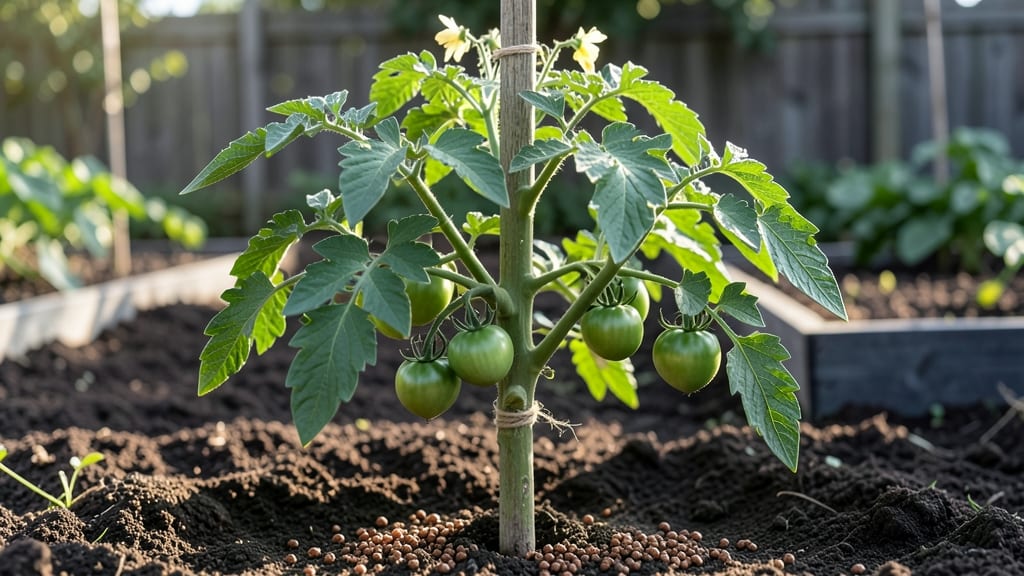
Using blood meal in gardens delivers an immediate nitrogen surge that fuels rapid leaf production, though excessive amounts can scorch plants or throw off soil acidity. For best results, use just 1-2 pounds per 100 square feet and water it in well.
Blood meal stands out because its nitrogen releases almost instantly when soil microbes break it down, making it ideal for leafy greens like lettuce or spinach that need quick growth spurts. 🌱 However, this fast action also means it disappears from the soil faster than slower-release fertilizers, so repeated small applications work better than one heavy dose.
I've seen gardeners mix it into compost piles for gradual release, which helps prevent the "burn" risk while still delivering that leafy green boost.
What many don't realize is how blood meal interacts with soil pH—it's particularly risky in acidic soils where the nitrogen becomes even more aggressive. Testing your soil first can save you from accidentally turning your garden into a nitrogen overdose zone.
The key is balance: pair blood meal with phosphorus-rich fertilizers (like bone meal) to encourage root development while you're pushing that top growth.
💡 In This Article
- How Blood Meal Feeds Plants vs Other Organic Fertilizers
- Safe Application Tips for Blood Meal in Gardens
How blood meal feeds plants vs other organic fertilizers
Blood meal delivers nitrogen in a way no other organic fertilizer can match—its 12-13% nitrogen content is nearly all in the form of organic matter that soil microbes rapidly convert to plant-available ammonium (NH₄⁺).
This process happens within days rather than weeks, unlike manure which takes weeks to months to break down. The key difference lies in microbial activity: blood meal's finely ground texture provides a massive surface area for microbes to colonize, accelerating decomposition.
This makes it ideal for plants like lettuce or basil that need immediate leaf growth but risky for slow-growing perennials that prefer steady nutrition.
Compare this to fish emulsion, which releases nitrogen more gradually (about 5-8% nitrogen with slower microbial breakdown) while also providing trace minerals like phosphorus and potassium. The trade-off? Fish emulsion won't give you that same explosive green-up effect.
Synthetic nitrogen sources like urea convert to ammonium just as quickly as blood meal, but they lack the soil-conditioning benefits and can acidify soil more aggressively.
What's fascinating is how blood meal's nitrogen impacts plant physiology: the rapid ammonium availability triggers cytokinin production in plant cells, which directly stimulates leaf cell division—explaining why you'll see visible growth within 5-7 days of application.
The breakdown process gets interesting when you consider soil conditions. In neutral to slightly alkaline soils (pH 6.5-7.5), blood meal's nitrogen converts to nitrate (NO₃⁻) within 1-2 weeks, which plants absorb through their roots.
But in acidic soils (pH <6.0), the conversion stalls, leaving more ammonium in the soil where it can become toxic. This is why blood meal works spectacularly in raised beds with composted soil but can cause leaf burn in native woodland soils.
The texture matters too—blood meal's fine, powdery consistency means it can clump when wet, potentially creating localized "hot spots" where nitrogen concentrations become dangerously high.
Here's where the root vs foliar growth debate comes into play: blood meal's nitrogen profile heavily favors top growth at the expense of roots. While it will make your Swiss chard leaves grow like crazy, the same nitrogen surge can inhibit root development if not balanced with phosphorus.
That's why professional growers often pair blood meal with bone meal (a phosphorus source) at a 3:1 nitrogen-to-phosphorus ratio.
The contrast with manure is striking—while both provide nitrogen, manure's slower release allows for more balanced root and shoot growth, making it better suited for long-term plant health rather than quick green-up.
Let me give you a real-world example: when I used blood meal on my pepper plants at 1 lb per 100 sq ft during early flowering, the leaves exploded in size within 10 days, but the fruit production stalled because the plants were putting all their energy into foliage.
The solution? I switched to a balanced organic fertilizer (5-5-5) to encourage flowering and fruiting. This shows how blood meal's strengths become weaknesses when you don't understand its growth-focused mechanism. The lesson?
Blood meal is your leafy green turbocharger, but it needs proper management to avoid creating one-sided growth monsters.
What most gardeners overlook is how blood meal's nitrogen interacts with other soil nutrients. The rapid nitrogen release can displace potassium and magnesium from soil particles, potentially causing deficiency symptoms like yellowing between leaf veins (interveinal chlorosis) even when you're applying nitrogen.
This is why a soil test before application is non-negotiable—it reveals whether your soil has the potassium reserves to handle blood meal's aggressive nitrogen push.
The science here is fascinating: nitrogen and potassium compete for the same soil exchange sites, so high nitrogen levels can physically outcompete potassium for root uptake sites.
For those wondering about alternatives, consider these scenarios: need slow-release nitrogen? Use composted manure or worm castings. Want nitrogen plus micronutrients? Fish emulsion is your best bet. Need root development alongside nitrogen? Bone meal or rock phosphate will complement blood meal beautifully.
The magic of blood meal lies in its targeted, explosive growth stimulation—but like rocket fuel, you need to handle it with precision to avoid burning out your garden. 💥