Planting
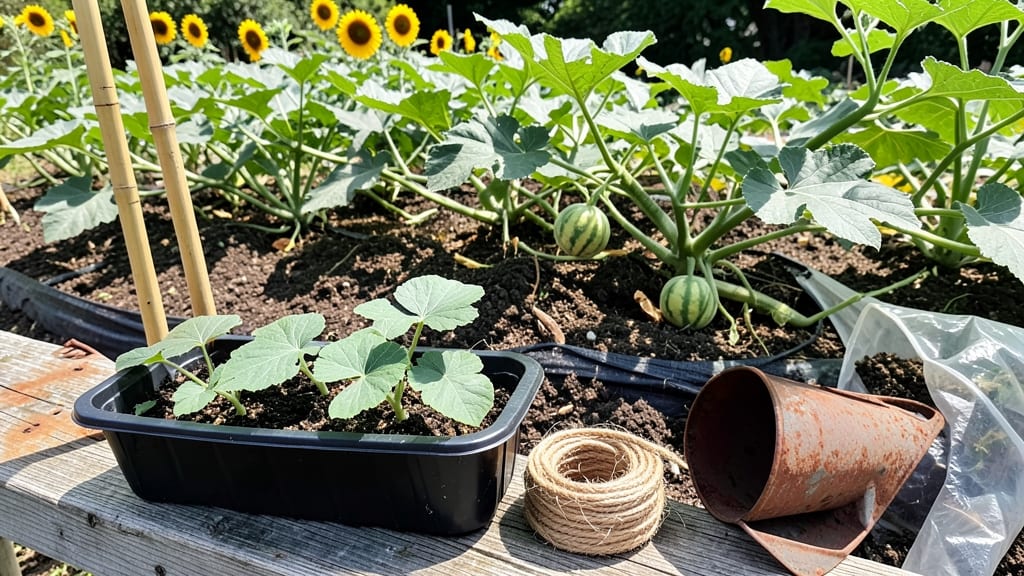
Growing watermelons starts with the right garden spacing—too close, and your 🍉 vines fight for nutrients; too far apart, and you waste space. The ideal spacing isn’t just about rows—it’s about giving each plant room to sprawl, climb, or trail without competition.
Struggling to grow watermelons that reach their full potential? The secret isn’t just in the soil—it’s in the spacing. Proper watermelon garden spacing can mean the difference between a handful of small melons and a bountiful harvest of juicy, vine-ripened fruit.
In Zone 6, where spring planting kicks off after the last frost, spacing becomes even more critical. A single vine can stretch 10–20 feet, so cramming them together leads to stunted growth, poor airflow, and disease. Yet, many gardeners overlook this step, assuming more plants mean more fruit.
Below, I’ll break down the exact spacing you need for your variety—whether you’re working with sprawling vines, compact bush types, or a small urban plot—and how to tweak it for your climate. Ready to turn your patch into a melon goldmine?
Optimal watermelon garden spacing by variety and growth habits
Watermelons thrive when given the right space to spread their long vines and develop large fruits. Unlike compact vegetables, watermelons need generous spacing to prevent disease spread and ensure each plant gets enough sunlight and nutrients.
The key difference lies between vining varieties (like Sugar Baby) and bush varieties (like Bush Champion), which have dramatically different spacing needs.
For vining watermelons, think of them as sprawling ground covers that need room to trail. These varieties can spread 10-20 feet per plant, requiring wide row spacing to prevent vines from smothering each other.
In contrast, bush varieties stay more contained, with vines reaching only 3-6 feet, making them ideal for smaller gardens or containers.
Here’s the critical spacing breakdown you need to know before planting:
🚨 comparison-table 🚨
| Variety Type | Plant Spacing (inches) | Row Spacing (feet) | Vine Length | Trellising? | Best For |
|---|---|---|---|---|---|
| Vining (e.g., Sugar Baby, Crimson Sweet) | 36-48" | 6-8' | 10-20 ft | No (unless vertical training) | Large gardens, traditional beds |
| Semi-Bush (e.g., Bush Champion, Black Diamond) | 24-36" | 4-6' | 6-10 ft | Optional (for smaller spaces) | Small gardens, containers |
| Bush (e.g., Tiny Tim, Orange Squeeze) | 12-24" | 3-4' | 3-5 ft | Yes (recommended) | Containers, patios, urban gardens |
| Mini/Container (e.g., Sugar Baby, Mini Melons) | 12" | 2-3' | 2-4 ft | Yes (essential) | Balconies, pots, small spaces |
If you’re growing vining watermelons, stick to 36-48 inches between plants and 6-8 feet between rows. This spacing prevents vines from tangling and ensures each melon gets enough nutrients and sunlight to reach its full size.
For bush varieties, you can tighten the spacing to 12-24 inches between plants, making them perfect for small gardens or containers.
For trellising watermelons, focus on compact or bush varieties like Tiny Tim or Orange Squeeze. Use a sturdy trellis or cage to support the vines, allowing the fruits to hang rather than sprawl.
This not only saves space but also improves air circulation, reducing the risk of powdery mildew and other fungal diseases. Just be sure to prune side shoots to direct energy toward fruit production.
Another pro tip: Mulch heavily around watermelon plants to retain moisture and suppress weeds. Watermelons have shallow roots, so keeping the soil cool and moist is critical, especially during hot summer months.
Use straw or black plastic mulch to reflect heat away from the roots while locking in moisture.
In small gardens, consider interplanting watermelons with shallow-rooted crops like bush beans or lettuce during the early stages. As the watermelon vines spread, the companion plants will have already been harvested, leaving room for the sprawling melons. This rotational planting strategy maximizes space efficiency without sacrificing yield.
One common mistake is overcrowding watermelons to fit more plants into a small area. While it might seem like a way to boost production, crowded plants compete for water, nutrients, and sunlight, resulting in smaller, underdeveloped fruits.
Always prioritize proper spacing over quantity—quality always wins in the watermelon game!
For large-scale gardens, use a grid system with marked rows and spacing guides. This ensures consistency and makes it easier to manage irrigation and fertilization. If you’re growing multiple varieties, label each row to track maturity dates and harvest times, as different watermelons ripen at different rates.
Finally, remember that soil type can influence spacing needs. In heavy clay soils, watermelons may need slightly more space to avoid root competition and improve drainage. Amend the soil with compost or sand to create a loamy texture that encourages healthy root growth and better fruit development.
With the right spacing, your watermelon plants will thrive, producing large, sweet, and juicy fruits that’ll make your neighbors jealous. Happy planting! 🍉
How to adjust watermelon spacing for small gardens and containers
If you’re dreaming of juicy watermelons but only have a balcony, patio, or tiny backyard, don’t despair! With the right watermelon spacing techniques, you can still grow delicious fruit in limited spaces.
The key is choosing compact varieties and using creative growing methods to maximize every square inch. Even in containers, proper spacing ensures strong vines and healthy melons.
For small gardens or containers, vertical training and companion planting become your best friends. Traditional watermelons need sprawling room, but bush varieties and dwarf types can thrive in tight quarters. Let’s explore how to make the most of your space without sacrificing yield or fruit quality.
🌱 Watermelon Spacing Hacks for Small Spaces
- 🍓 Choose dwarf varieties: Opt for ‘Sugar Baby’ (3-4 ft vines) or ‘Tiny Tim’ (1-2 ft vines), designed for containers and small gardens.
- 🪴 Use large containers: A 5-gallon bucket or fabric grow bag (minimum 12" deep) works for 1-2 plants. Add compost for drainage.
- 🌿 Train vines vertically: Install a trellis, A-frame, or cattle panel to guide vines upward, saving ground space. Prune side shoots to focus energy on fruit.
- 🌱 Space plants 12-18" apart: In small gardens, reduce spacing to 1 plant per 2 sq ft (vs. 3-6 sq ft for standard varieties).
- 🌿 Companion plant wisely: Pair watermelons with bush beans, radishes, or marigolds to deter pests and improve airflow.
- ☀️ Maximize sunlight: Place containers on south-facing surfaces or use reflective mulch to boost light exposure for compact vines.
- 💧 Water deeply but less often: Containers dry faster—water every 1-2 days in summer, ensuring soil stays 1-2 inches moist at root level.
When adjusting watermelon spacing in containers, remember that root competition is your biggest enemy. Use individual pots for each plant to prevent overcrowding, even if it means using more containers.
If you’re growing in a raised bed, space plants 18-24 inches apart in rows 3 feet apart to allow for airflow and easy harvest.
For urban gardeners, balcony planters can work wonders with the right setup. Choose self-pollinating varieties like ‘Black Diamond’ to avoid relying on bees. Place planters near window AC units (if safe) to create a microclimate with slightly warmer temperatures, extending your growing season.
Don’t forget to prune aggressively! Watermelon vines produce runners that can sprawl uncontrollably. Trim back side shoots to direct energy into 1-2 main fruits per plant.
This also makes harvesting easier in tight spaces. With these watermelon spacing tweaks, you’ll enjoy homegrown melons even in the smallest of gardens! 🍉