Picking
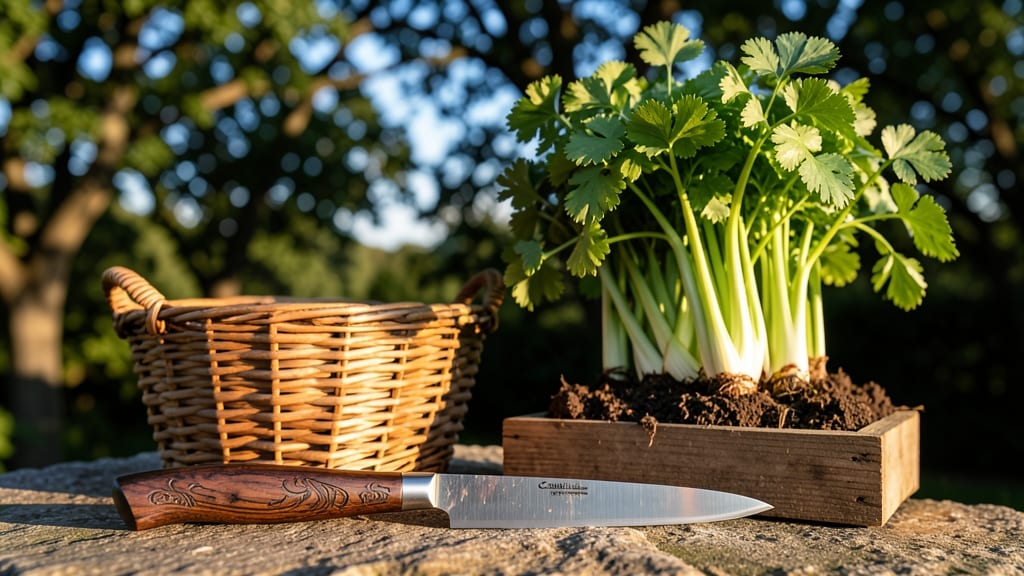
Harvesting garden celery at the right time turns your 🥬 stalks into crisp, flavorful perfection—before they turn woody and bitter.
Nothing beats the fresh, crisp snap of homegrown celery—if you know exactly when and how to harvest it. Timing is everything, and missing the window can turn your garden’s hard work into disappointment.
Celery thrives in USDA Zone 6a when planted in spring, and those 100+ days to maturity fly by. The secret? Snip stems when they’re 10-12 inches tall, tightly packed, and still firm to the touch.
In this guide, I’ll walk you through the perfect harvest window, how to cut without damaging the plant, and even how to store your bounty for weeks—so you can enjoy that garden-fresh crunch all season long.


The perfect time to harvest garden celery for maximum crispness
Harvesting garden celery at the right moment transforms your garden's effort into crisp, flavorful stalks perfect for soups, salads, or snacking. The key lies in watching for specific growth signals and understanding your celery variety's maturity timeline.
Unlike store-bought celery, homegrown varieties like Tall Utah or Golden Self-Blanching develop optimal texture when harvested at precise stages.
Most celery varieties reach harvest readiness between 100-150 days after sowing, but ideal crispness occurs at 120 days for standard types. Self-blanching varieties may mature slightly faster, while heirloom types often need the full window.
Paying attention to stem diameter and leaf color prevents woody texture and bitter flavors that ruin the harvest.
Harvest Indicator
Specific Criteria
Days to Maturity
Seasonal Notes
Stalk Height
10-12 inches tall
100-120 days
Spring-planted celery reaches height faster in warm climates
Leaf Color
Dark green, crisp leaves
110-130 days
Pale leaves indicate nitrogen deficiency or insufficient sunlight
Stalk Thickness
1/2-3/4 inch diameter
120-140 days
Thinner stalks = more tender texture; thicker = firmer but potentially woody
Cluster Density
Tightly packed stalks
120-150 days
Loose clusters indicate overcrowding or poor soil fertility
Outer Leaves
Slight yellowing at edges
130-150 days
Yellowing signals maturity; remove outer leaves before harvest
For spring-planted celery, aim to harvest between June and early July in most USDA zones 5-9. Fall-planted varieties should be ready by September or October, just before the first frost.
In warmer climates like Zones 9-11, you can extend harvests into November with proper seasonal care. The key is avoiding temperature extremes—celery prefers 60-75°F for optimal growth.
Watch for leaf growth patterns as your celery nears maturity. Healthy leaves should remain dark green and upright, while yellowing or wilting indicates stress. If you notice flower stalks forming, your celery is past its prime and will develop a bitter, fibrous texture.
This is your plant's way of telling you it's time to harvest before it bolts.
One common mistake gardeners make is waiting too long for larger stalks. While thicker celery may look impressive, it often becomes woody and tough. Ideal harvest size is when stalks reach 10-12 inches with a 1/2-3/4 inch diameter.
At this stage, the crispness is at its peak, and the flavor intensity is highest. Think of it like harvesting asparagus—you want the tender young growth, not the mature, fibrous version.
Seasonal timing also affects flavor and texture. Spring harvests tend to be sweeter and more tender due to cooler temperatures, while summer harvests may develop a slightly milder flavor but maintain excellent crispness.
If you're growing self-blanching varieties, they'll naturally develop lighter stalks as they mature, making them easier to identify for harvest. For green celery varieties, focus on the stem firmness rather than color changes.
Pro tip: Harvest in the morning when starch levels are highest and crispness is at its peak. Use a sharp knife to cut stalks at the base, leaving about 1 inch of stem attached.
This encourages regrowth for a second harvest in 4-6 weeks, though the quality may not be as high as the first. Always leave the outer leaves intact to protect the regrowing center.
If you're in a cooler climate, consider using row covers to extend your harvest window. These can add 5-
Step-by-Step guide to harvesting celery without damaging the plant
Harvesting celery properly ensures you get the crisp, tender stalks you crave—not the tough, woody ones that ruin soups and salads. The key lies in timing, technique, and tools, all of which I’ll break down so your celery stays fresh and your plant keeps producing.
Using the wrong method can stress the plant, leading to bitter regrowth or stunted future harvests. But don’t worry—I’ve grown celery for years and know exactly how to cut without harming the plant.
Whether you’re harvesting for a summer salad or preserving for winter, these steps will keep your garden thriving.
How to Harvest Celery Like a Pro
-
📏 Step 1: Wait for the Right Size
Harvest when stalks reach 10-12 inches tall and are tightly clustered. Use a ruler to check—any shorter, and they’ll be too thin. -
✂️ Step 2: Gather Your Tools
Grab a sharp knife or pruning shears (dull tools crush stems). A bucket of water nearby prevents wilting during harvest. -
🌱 Step 3: Cut at the Base
Hold the stalk firmly and slice just above the soil line at a 45-degree angle to maximize regrowth. Avoid tugging—this damages roots. -
💧 Step 4: Rinse Immediately
Plunge harvested stalks into cool water for 10 minutes to remove dirt and revive crispness. Pat dry with a clean towel. -
🌿 Step 5: Store Properly
Wrap stalks in a damp paper towel and seal in a plastic bag. Store in the crispest part of your fridge (not the door!).
After harvesting, your celery plant can regrow if you leave at least 2 inches of stalk above the soil. Water deeply post-harvest to encourage new growth—this works best in USDA Zone 6a’s warm summer months when plants recover quickly.
Avoid these common mistakes: harvesting too early (thin stalks), using dirty tools (spreads disease), or storing in dry air (celery wilts fast). With these steps, your celery will stay crisp for weeks and your plant will keep producing!
Pro tip: For continuous harvests, space cuts 2-3 weeks apart—this keeps your celery supply steady all season. Happy harvesting! 🥬