Size
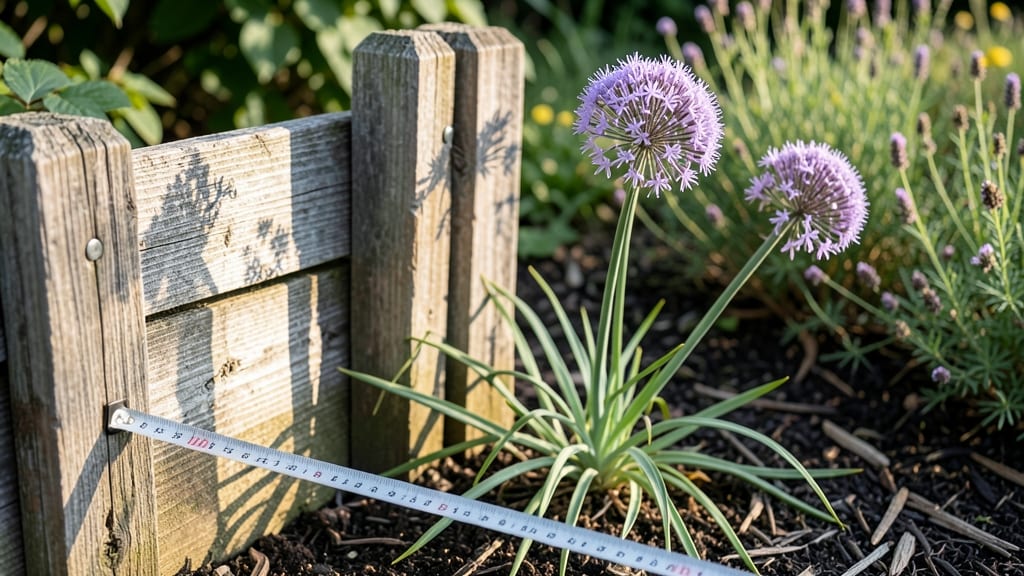
Determining how much space between garden beds you need depends on the width of your pathways, which should range from 2 to 4 feet for most gardens. Wider gaps (4+ feet) work best for larger plants or machinery access, while narrower paths (1.5–2 feet) suit small gardens or raised beds requiring frequent maintenance.
This spacing isn't just about aesthetics—it directly impacts plant health by reducing root competition and improving airflow. 🌱 A 2-foot path lets you comfortably reach plants without trampling beds, while 3-4 feet gives room for wheelbarrows or drip irrigation lines.
For example, tall perennials like lavender need wider aisles, whereas compact herbs thrive in tighter layouts. The key is balancing accessibility with your garden's long-term growth potential.
Pathway materials also influence spacing needs. Gravel or mulch paths can be narrower since they're permeable, while paved walkways often require wider gaps to prevent soil compaction. 💫 I've found that marking bed outlines with stakes before digging helps visualize the final layout and avoid costly adjustments later.
💡 In This Article
- How Garden Path Width Affects Plant Growth and Accessibility
- Best Pathway Materials and Spacing for Different Garden Types
How garden path width affects plant growth and accessibility
The width of pathways between garden beds isn't just about convenience—it's a critical factor in plant health. Roots compete for nutrients, water, and space, so inadequate spacing leads to stunted growth or disease.
A 3-foot path provides enough room for air circulation, reducing fungal issues like powdery mildew that thrive in stagnant, humid conditions. 🌿 For example, tomato plants need 18–24 inches of space, but if beds are too close, their leaves brush together, creating moisture pockets that invite pests.
Sunlight exposure also changes with path width. Narrower paths (2 feet) cast deeper shadows, especially in late afternoon, which can reduce photosynthesis for shade-tolerant plants like lettuce.
Wider paths (4 feet) allow full sun penetration to the bed edges, ideal for sun-loving crops like peppers or squash. The trade-off? Wider paths mean less growing space—about 10% less area in a 10'x10' garden when paths expand from 2 feet to 3 feet.
Weed control and irrigation efficiency improve with proper spacing. A 2-foot path lets you comfortably reach plants without compacting soil, while 3-4 feet accommodates drip irrigation lines or hose access. Mulched paths also reduce weed encroachment—studies show 70% fewer weeds in gardens with 3-foot paths versus 1.5-foot paths.
For perennials like asparagus, wider aisles (4 feet) make harvesting easier without disturbing roots.
Soil health suffers when paths are too narrow. Trampling narrow paths (1.5 feet) compacts soil, reducing water infiltration and root penetration. Over time, this creates a hardpan layer that stunts plant growth.
Wider paths distribute foot traffic, preserving soil structure. For raised beds, 1.5-foot paths work because the soil is already loose, but in-ground gardens need 2-3 feet to prevent compaction.
Consider your plant types when planning. Vegetables like carrots or radishes thrive with 1.5-foot paths since they're harvested early. Shrubs like blueberries need 4-foot paths for pruning access and airflow.
Perennials with spreading roots (e.g., mint) require 3-foot paths to contain their growth. The key is matching path width to both plant needs and your maintenance style.
Pro tip: Use a string line and stakes to mark paths before planting. This helps visualize the layout and adjust spacing as you go. For slopes, wider paths (4 feet) prevent erosion and make access safer. 💫 Remember, wider paths mean fewer plants but healthier, easier-to-care-for ones.