
Vegetables
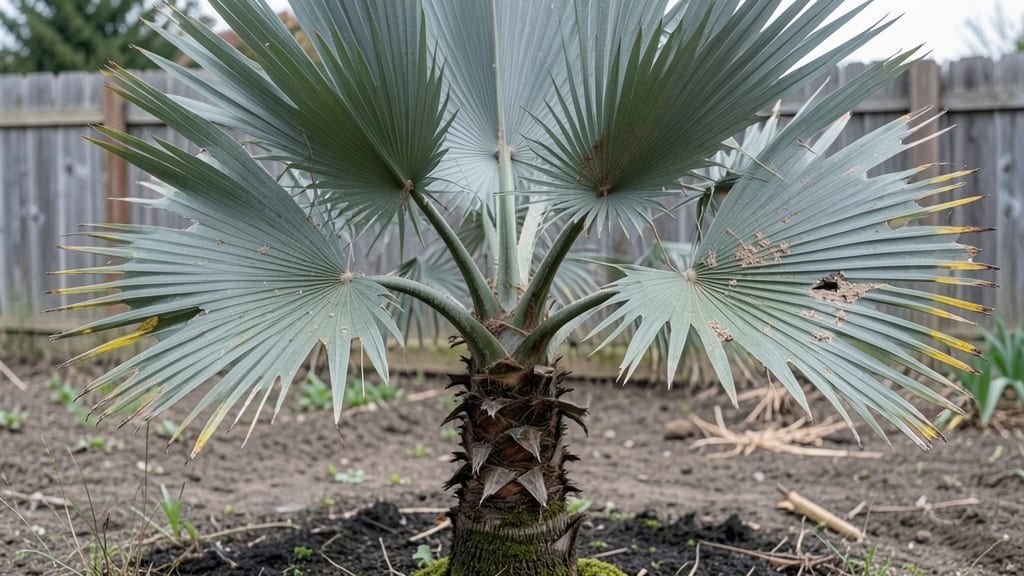
DC garden zone spans 7b and 8a, creating ideal conditions for growing everything from vegetables to ornamental plants year-round. Last frost typically arrives in mid-April, while first frost hits around late October, giving gardeners a long growing season. Zone 8a thrives with heat-lovers like okra and peppers, while Zone 7b supports tomatoes, herbs, and roses with proper winter care.
DC's unique blend of urban and natural landscapes creates microclimates that affect planting success. 🌿 For instance, areas near the Potomac River often experience milder winters, while elevated spots like Rock Creek Park may see earlier frosts.
This is why even neighboring yards can have different hardiness zones—knowing your specific microclimate helps choose the right plants.
The transition between 7b and 8a also means some plants may struggle at the edges, so I always recommend testing soil conditions and monitoring local weather patterns before committing to high-value crops.
💡 In This Article
- Understanding DC’s 7b and 8a Microclimates
- Best Plants for DC’s Zone 7b and 8a Gardens
Understanding DC’s 7b and 8a microclimates
DC’s garden zones aren’t just about numbers—they reflect how the city’s geography and urban sprawl create distinct growing conditions. The 7b and 8a transition zone exists because of DC’s varied terrain, from the Potomac River’s moderating influence to the heat-absorbing concrete of downtown.
The urban heat island effect pushes Southeast neighborhoods into 8a, where asphalt and buildings trap heat, while Rock Creek Park’s elevation and tree cover keep temperatures cooler, often resembling 7b conditions just a few miles away.
Elevation plays a critical role in frost timing. Areas like Tenleytown (elevation ~150 feet) may see first frost 2-3 weeks earlier than Anacostia (elevation ~20 feet), which benefits from the river’s thermal mass.
The Potomac’s large body of water acts like a giant heat sink, delaying winter’s arrival by 10-14 days in nearby areas. This is why last frost dates can vary by 2 weeks between neighborhoods—critical timing for planting heat-sensitive crops like basil or eggplant.
What most gardeners don’t realize is how wind patterns amplify these differences. The Anacostia River funnels cold air into Southeast DC, creating frost pockets where Zone 8a plants might struggle.
Meanwhile, the National Mall’s open spaces allow warmer air to pool, extending the growing season by 3-4 weeks compared to tree-lined streets. These microclimates explain why some gardeners in Ward 3 can grow citrus trees successfully while others in Ward 7 need winter protection for their roses.
The 7b/8a boundary isn’t just about temperature—it’s about plant hardiness. Zone 8a’s 10-15°F warmer winters support tropical plants like elephant ears or yuca, while Zone 7b requires mulching (4-6 inches) or row covers to protect tender perennials.
The key is testing your specific microclimate: Place a minimum-maximum thermometer in your garden for a year to determine your true frost dates and heat exposure.
Here’s what this means for your garden planning:
- Southeast DC: Push Zone 8a limits with tropical plants like ginger or banana trees—they’ll thrive where others freeze
- Northwest DC: Treat like Zone 7b—expect harder winters and earlier frosts near Rock Creek
- River-adjacent: Extend seasons by 10-14 days with late spring plantings of heat-lovers
The transition zone also means some plants will struggle at the edges. For example, peaches (Zone 5-8) may set fruit in Zone 8a but fail to ripen in Zone 7b. The solution?
Choose low-chill varieties or container-grow heat-sensitive plants. This precision gardening is why DC’s zones feel more like a gradient than a hard line—your yard’s specific conditions determine what will thrive.
Pro tip: Use the USDA Plant Hardiness Zone Map as a starting point, then adjust based on your microclimate data. I’ve seen gardeners in Zone 8a successfully grow olive trees where their neighbors in Zone 7b can’t—all because of a 100-foot elevation difference and south-facing exposure.
Pay attention to these details, and you’ll unlock DC’s full gardening potential. 🌟