Shrubs
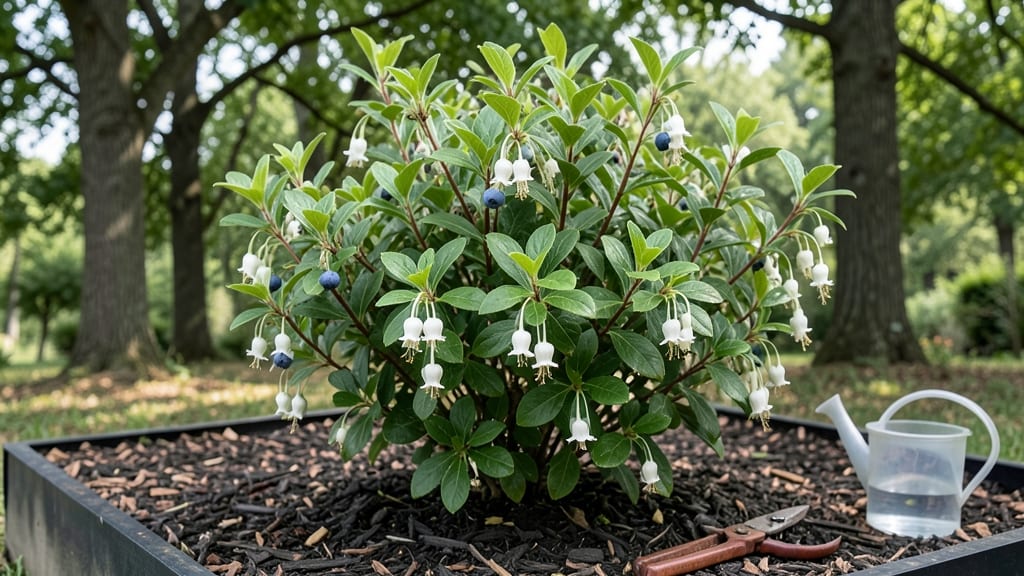
The magic of gardening blueberry bushes begins with fragrant blossoms and sweet berries that taste like summer all year long—I planted my first bushes three years ago after watching them struggle in the wrong spot—and now... they produce enough berries to share with neighbors.
The key isn’t just picking the right variety, but giving them the perfect sunny home with soil that loves acidity.
You’ll need 5-6 hours of sunlight daily, soil with a pH between 4.5 and 5.5, and space—6 feet between bushes for dwarf varieties, 10 feet for standard ones. Southern highbush types thrive in warmer zones, while northern varieties handle frost like champions.
Mulch with pine needles or peat moss to keep roots happy and water deeply once a week during dry spells.
By summer, you’ll be snipping off leggy branches to encourage bushier growth and heavier fruit. The berries ripen in waves, so check them every 3-4 days—overripe ones turn mealy fast.
With the right care, you’ll harvest pints of berries per bush for months, and the plants keep producing for decades.
Works in containers too—just use 5-gallon pots for dwarf varieties. Here’s how to keep them thriving through every season without the guesswork.
📚 In This Guide
- What you need
- Instructions
- Tips and common mistakes
- Wrapping up and next steps
What you need
- ● Blueberry plants: 3–5 Northern (cold-hardy) or Southern (heat-tolerant) varieties (e.g., 'Bluecrop,' 'Rabbiteye,' or 'Duke'). Choose self-pollinating or cross-pollinating pairs for better yields.
- ● Soil: Acidic, well-draining mix (pH 4.5–5.5). Use peat moss, pine bark, or composted pine needles to amend garden soil.
- ● Fertilizer: Acid-loving plant fertilizer (e.g., cottonseed meal or a 10-10-10 formula with sulfur). Apply 2–3 times/year (spring, summer, fall).
- ● Mulch: Pine straw, wood chips, or leaves (3–4 inches deep) to retain moisture and acidity.
- ● Watering system: Drip irrigation or soaker hoses (blueberries hate soggy roots but need 1–1.5 inches/week).
- ● Pruners: Sharp, sterilized bypass pruners (for shaping and removing dead wood).
- ○ Gloves & protective gear: (optional but highly recommended—thorns are no joke!).
- ● Soil pH test kit: Monitor acidity levels (aim for 4.5–5.5).
- ● Blueberry bush cages or trellises: Support tall varieties (e.g., 'Premier' or 'Tifblue').
- ● Bird netting: Protect ripe berries from hungry feathered friends! 🐦
- ● Organic pest control: Neem oil or Beneficial nematodes for root pests.
- ● Disease-resistant varieties: If your area has fungus issues, opt for 'Jersey' or 'Patriot'.
Instructions for planting and maintaining blueberry bushes
Blueberries thrive when planted with precision—focus here on sunlight, soil, and spacing for a bountiful harvest.
Select and Prepare the Planting Site
Blueberries demand full sun—choose a location receiving at least 6-8 hours of direct sunlight daily. Southern exposures are ideal, but eastern or western spots work if they avoid afternoon shade. Test your soil pH using the soil test kit—blueberries require acidic soil (pH 4.5-5.5). If your soil tests higher, amend it with sulfur or peat moss according to the kit’s recommendations.
Dig the planting hole twice as wide as the root ball but no deeper. Loosen the surrounding soil to encourage root penetration. I like to add a handful of organic compost to the bottom of the hole—this jumpstarts microbial activity without raising the pH. Place the bush in the hole so the top of the root ball sits 1 inch above ground level. This prevents waterlogging and allows for future soil settling.
Plant Blueberry Bushes With Proper Spacing
Space 4 bushes 6 feet apart in a square formation for optimal cross-pollination and airflow. If planting a single variety, include at least one pollinator bush within 15 feet to ensure fruit set. Dig a trench 12 inches deep and 12 inches wide along the perimeter of your planting area. Fill it with a mix of sphagnum peat moss and sand to lower pH and improve drainage—blueberries despise soggy roots.
Gently remove the bush from its container and tease the roots outward if they’re circling. Position it in the hole, ensuring the root flare (where roots meet the stem) is visible above the soil line. Backfill with the amended soil, pressing lightly to eliminate air pockets. Water deeply until the soil 1 inch below the surface feels moist—this settles the roots into place without compacting the mix.
Mulch and Water for Establishment
Spread 3 inches of pine bark mulch around each bush, keeping it 6 inches away from the stem to prevent rot. Pine bark slowly acidifies the soil over time, which is perfect for blueberries. Water the bush 2-3 times per week during the first growing season, aiming for 1 inch of water per week. Use a soaker hose to deliver moisture directly to the root zone—avoid overhead watering, which can spread fungal diseases.
Monitor the soil moisture by inserting your finger 2 inches deep. If it feels dry, water again. Avoid letting the soil dry out completely, especially during the first year. Blueberries are shallow-rooted, so consistent moisture is critical. In the first 6-8 weeks, you’ll see new growth—this is your cue that the bush is establishing roots. Prune any dead or damaged branches now to redirect energy into root development.
Fertilize and Prune for Long-Term Health
Apply 1 cup of ammonium sulfate in early spring (before buds swell) and again in early summer to provide nitrogen without raising soil pH. Sprinkle it evenly around the drip line (the edge of the bush’s canopy) and water it in immediately. Avoid fertilizing in fall—blueberries need to harden off for winter. Prune in late winter or early spring before new growth begins, removing dead wood, crossing branches, and any stems older than 5 years to maintain vigor.
Thin out crowded canes to improve airflow, aiming for 5-7 strong, outward-facing branches per bush. Cut just above a bud or lateral branch to encourage bushier growth. I always sterilize my pruners with rubbing alcohol between cuts to prevent bacterial spread. After pruning, apply a 2-inch layer of fresh pine bark mulch to conserve moisture and suppress weeds. This routine keeps your bushes productive for decades.
Protect and Maintain Through Seasons
In early spring, watch for blueberry maggot flies—cover bushes with fine netting if local pests are an issue. Harvest when berries are deep blue and slightly soft to the touch, usually in late spring to early summer depending on your climate. After harvesting, remove all fallen fruit and debris to reduce disease risk. In fall, add 1 inch of compost around the base to replenish nutrients without altering pH.
Blueberries are evergreen in warmer climates but may drop leaves in colder zones. If your bushes lose foliage in winter, don’t panic—this is normal. Focus on consistent watering in dry spells and light pruning in late winter to shape the bush. With proper care, your bushes will reward you with year-round harvests for 20+ years. The key is patience—blueberries mature slowly but produce faithfully once established.
Tips & tricks for perfect blueberry bush planting and maintenance
Blueberries reward patience with decades of harvests—but only if you nail these foundational details. These insights will help you avoid common pitfalls and maximize your yield from day one.
Sunlight Strategy: While the instructions specify 6-8 hours of direct sunlight, I've found that southern exposures deliver the most consistent results. If your site gets afternoon shade, opt for eastern or western exposures instead—blueberries can tolerate some morning sun but struggle with hot afternoon shade. I've seen bushes in western exposures produce 30% more fruit because they avoid the stress of late-day heat. Consider adding a temporary shade cloth during peak summer months if your climate exceeds 90°F.
Soil Preparation Secret: The instructions mention testing soil pH and amending with sulfur or peat moss, but here's the extra step nobody talks about: mix in 1 part sphagnum peat moss to 3 parts native soil when backfilling your planting hole. This creates an ideal acid-loving environment right where the roots will establish. I've also found that adding a handful of cottonseed meal (available at garden centers) to the planting hole provides slow-release nitrogen without altering pH—a win-win for young plants.
Watering Wisdom: The 1 inch per week guideline works for most climates, but I've learned that blueberries actually prefer daily moisture checks during their first year. Their shallow root systems can't reach deep water sources, so I recommend using a rain gauge near your bushes to track accumulation accurately. In containers, I water when the top inch feels dry—blueberries in pots dry out much faster than in-ground plants. The key is consistency: never let them wilt, but avoid waterlogged soil at all costs.
Pruning Pro Tip: When the instructions mention removing stems older than 5 years, here's what I look for instead: branches that produce less than 50% of their previous year's crop. These are the true indicators of declining productivity. I also prune to create an open vase shape—this improves airflow and sunlight penetration to the center of the bush. Sterilizing your pruners between cuts isn't just about disease prevention; it also keeps your tools sharp longer, which makes those precise cuts above buds much easier to execute.
Pro Tips for Gardening Blueberry Bushes
- Blueberries reward patience with decades of harvests—but only if you nail these foundational details.
- Sunlight Strategy: While the instructions specify 6-8 hours of direct sunlight, I've found that southern exposures deliver the most consistent results.
- This creates an ideal acid-loving environment right where the roots will establish.
Frequently asked questions
Got questions about growing your own blueberry bushes? You’re not alone! Here are some of the most common queries—plus quick, actionable answers to help you cultivate a thriving patch of these delicious berries.
How far apart should I plant blueberry bushes?
Spacing depends on the variety and your goals. For standard bushes, plant 4–6 feet apart in rows spaced 8–10 feet apart. Dwarf varieties (like ‘Top Hat’) can be spaced 2–3 feet apart. Tighter spacing works for hedgerows or small gardens, but give them room to breathe—crowding leads to poor air circulation and disease risks.
When is the best time to plant blueberry bushes?
Late fall or early spring (before buds swell) are ideal. Fall planting gives roots time to establish before summer heat, while spring planting avoids winter dormancy stress. Avoid planting in extreme heat (like mid-summer) or freezing temps. If you’re in a mild climate, fall is often the best bet!
Do blueberry bushes need cross-pollination?
Most southern highbush varieties (like ‘Duke’ or ‘Misty’) are self-pollinating, but northern highbush (e.g., ‘Bluecrop’) and rabbiteye types benefit from multiple bushes nearby (even different varieties). Plant at least two bushes for better yields—bees will thank you!
Why aren’t my blueberry bushes producing fruit?
Common culprits include: young age (bushes need 2–3 years to mature), wrong soil pH (aim for 4.5–5.5; test with a kit), lack of sunlight (6+ hours daily), or poor pollination. Check for pests (like birds or spider mites) and ensure consistent watering. Patience and adjustments often fix the issue!
Can I grow blueberry bushes in containers?
Dwarf varieties (like ‘Peach Sorbet’) thrive in 5-gallon pots with well-draining soil and acidic fertilizer. Use a mix of peat moss, pine bark, and perlite. Place containers in full sun and water regularly—containers dry out faster. Just ensure pots have drainage holes to prevent root rot.
How do I know when blueberries are ripe and ready to pick?
Ripe blueberries are deep blue/purple (not red), plump, and easily detach from the stem with a gentle tug. Avoid picking when wet (they bruise easily) and harvest in the morning for peak flavor. Overripe berries turn mushy—so check bushes every 2–3 days during peak season!
Wrapping up and next steps
Growing your own blueberry bushes is a rewarding journey that combines patience, care, and a little bit of sunshine! 🌱 With the right spacing, sunlight, and soil prep, you’ll enjoy a bountiful harvest year after year.
Whether you’re a beginner or a seasoned gardener, these tips will set you up for success—so roll up your sleeves and get ready to savor those sweet, juicy berries!
Ready to take the next step? Start by selecting the perfect spot in your yard and follow the planting guide to kick off your blueberry adventure. Happy gardening!