Planting
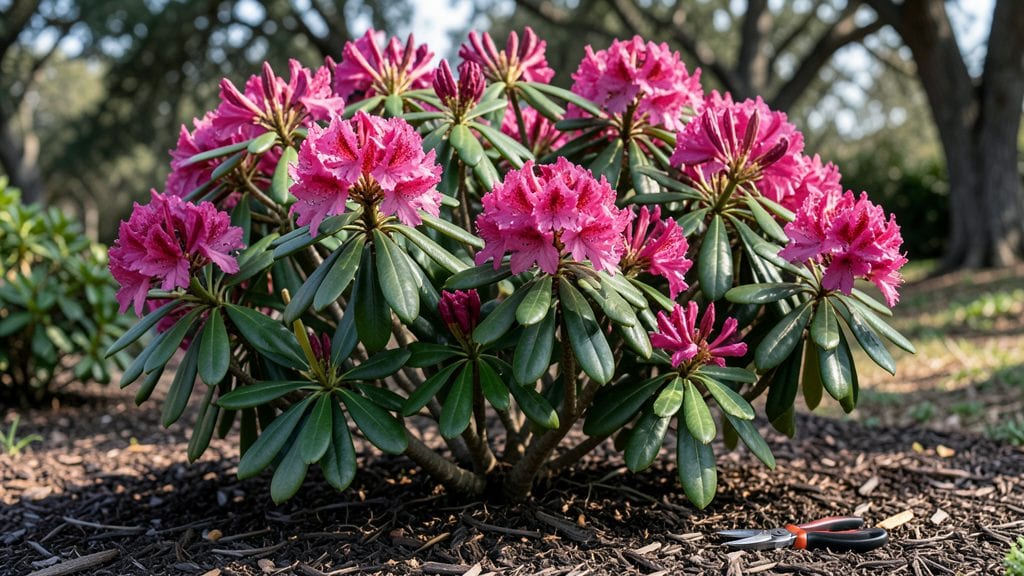
Gardening in Washington State means working with a climate that throws you curveballs—wet winters, scorching summers, and soil that’s either too dense or too sandy depending on where you live. 🌿 I’ve learned the hard way that the wrong plants wilt in July or rot in December, but the right ones turn your yard into a four-season showstopper.
The key isn’t fighting the weather; it’s picking plants that thrive when others fail.
From the Puget Sound’s misty coasts to the Columbia Basin’s dry heat, each region demands different strategies. Cold-hardy perennials like heuchera and sedum survive our winters unscathed, while drought-tolerant veggies like zucchini and peppers handle summer’s dry spells.
Even the volcanic loam of the Cascades needs amendments—compost and a little sand—to keep roots happy. The good news? Once you match plants to your microclimate, the garden nearly runs itself.
You’ll end up with a landscape that stays lush in summer, colorful in fall, and structurally sound through winter. Think evergreen shrubs for year-round greenery, spring bulbs that pop before the rain sets in, and late-season bloomers like asters that defy autumn’s chill.
The payoff isn’t just beauty—it’s confidence in a garden that works with Washington’s quirks, not against them.
Whether you’re in the shadow of the Cascades or baking in the Yakima Valley, the same principles apply: know your frost dates, adjust watering for the season, and choose plants that love your soil.
Let’s get to the specifics—what grows best, when to plant it, and how to keep it thriving no matter what Mother Nature throws your way.
📚 In This Guide
- What you need
- Instructions
- Tips and common mistakes
- Wrapping up and next steps
What you need
- ● Soil: 10–20 cubic yards of well-draining, compost-amended soil (Washington’s clay-heavy soil? Mix in 20% perlite or compost to improve aeration).
- ● Plants: Native perennials (e.g., Symphyotrichum or Achillea) – 5–10 plants per 100 sq. ft.
- ● Climate-resilient annuals (e.g., Lavender, Salvia) – 10–15 plants.
- ● Edibles: 3–5 blueberry bushes (acidic soil-loving!) or 10 rain-resistant kale plants.
- ● Mulch: 2–3 inches of cedar chips or straw (retains moisture in PNW’s damp climate).
- ● Watering system: Drip irrigation kit (e.g., Rain Bird) for efficiency.
- ● 5–10 gallon watering can (for spot-watering seedlings).
- ● Hand tools: 1 stainless-steel trowel (for precision planting).
- ● 1 garden fork (for aerating clay soil).
- ● 1 pruners (bypass pruners for clean cuts).
- ● Heavy-duty tools: 1 broadfork (for deep soil prep).
- ● 1 wheelbarrow (2–3 cubic ft capacity).
- ○ Optional (but handy!): Soil pH tester (Washington’s soil pH often needs adjustment for edibles!).
- ● Knee pads (your back will thank you!).
- ● Rain gauge (track PNW’s unpredictable precipitation).
- ● Site prep: Test soil 3 months before planting (local WSU Extension offices offer free tests!).
- ● Clear debris and mark planting zones (Zone 7–9 in WA).
- ● Knowledge: Research microclimates (e.g., Puget Sound vs. Yakima Valley).
- ● Learn Washington’s frost dates (last frost: late April–June; first frost: Sept–Nov).
- ● Permits: Check local rules—some cities require permits for large-scale planting.
Instructions for designing a resilient Washington State garden
Washington’s diverse climate demands smart plant choices and strategic layouts. Here’s how to create a garden that thrives year-round.
🌱 Step 1: Plan for Microclimates and Zones
Washington’s climate varies dramatically—from the rainy Pacific Northwest to the arid eastern regions. Start by mapping your yard’s microclimates: note shaded spots, sun exposure, and wind patterns. Use a USDA Plant Hardiness Zone map (Washington spans Zones 4-9) to select plants that match your specific area. For example, Zone 7 in the Puget Sound supports rhododendrons and camellias, while Zone 4 in eastern Washington thrives with hardy perennials like coneflowers and sedum.
Divide your garden into sections based on sun exposure: full sun (6+ hours), partial shade (3-6 hours), and full shade (<3 hours). In Western Washington, where cloud cover is common, prioritize shade-tolerant plants like ferns and hellebores. Eastern Washington’s intense summer sun calls for drought-resistant options like lavender and Russian sage.
☀️ Step 2: Choose Climate-Resilient Plants
Washington’s wet winters and dry summers require plants that handle moisture fluctuations. Opt for native species like Oregon grape, salal, and vine maple—they’re adapted to local conditions and require less maintenance. For structure, use Douglas fir, cedar, or bigleaf maple, which tolerate both rain and wind. In containers, select drought-tolerant herbs like rosemary and thyme, which thrive in Washington’s variable moisture.
Avoid tropical plants that struggle with winter chill. Instead, layer your garden with evergreens (like holly and juniper) for winter interest and spring bloomers (like daffodils and bleeding heart) for early color. In coastal areas, wind-resistant grasses such as maiden grass or switchgrass add texture without toppling in storms.
💧 Step 3: Optimize Watering for Seasonal Shifts
Western Washington’s frequent rain means overwatering is a common mistake. Focus on deep, infrequent watering during dry spells, especially in summer. Use drip irrigation or soaker hoses to deliver water directly to roots, reducing evaporation and fungal risks. For containers, check soil moisture before watering—stick your finger 1 inch deep; if dry, water until it drains from the bottom.
In Eastern Washington, where summers are hot and dry, mulch heavily (3-4 inches) with wood chips or straw to retain moisture. Group plants with similar water needs together (e.g., succulents with lavender) to simplify care. Avoid watering late in the day to prevent fungal diseases like powdery mildew, which thrives in Washington’s damp climate.
✂️ Step 4: Prune for Health and Seasonal Interest
Prune late winter or early spring (February-March) to encourage new growth before the growing season. Remove dead, diseased, or crossing branches first, then shape shrubs like hydrangeas and lilacs for airflow and sunlight penetration. In Western Washington, where humidity is high, sterilize pruners with rubbing alcohol between cuts to prevent the spread of pathogens.
For perennials, cut back brown foliage in early spring but leave seed heads on some plants (like coneflowers) for winter interest and wildlife support. In Eastern Washington, lightly prune summer-blooming shrubs (like butterfly bush) after they flower to maintain shape without sacrificing next year’s blooms.
🪴 Step 5: Protect Plants from Pests and Weather
Washington’s mild winters and wet springs attract pests like slugs, aphids, and vine weevils. Use organic barriers (diatomaceous earth for slugs, neem oil for aphids) and beneficial insects (ladybugs, lacewings) to manage infestations naturally. In coastal areas, windbreaks (like evergreen hedges or lattice screens) shield delicate plants from salt spray and gusts.
Prepare for unpredictable weather: stake tall perennials (like delphiniums) before heavy rains, and cover tender plants with frost cloth if late frosts threaten. In urban areas, air pollution can stress plants—rinse leaves occasionally with water to remove dust and improve photosynthesis.
Tips & tricks for designing a resilient Washington State garden
A few strategic tweaks can transform your garden from merely functional to truly resilient against Washington's unpredictable climate. Here's what I've learned from years of trial and error in Pacific Northwest landscapes.
Microclimate Mapping: Use a simple DIY approach to map your yard's microclimates before planting. Place a white bucket and a black bucket in different areas for 24 hours—measure the temperature difference between them. This reveals heat pockets and cooler spots that determine where to place sun-loving plants versus shade-tolerant varieties. I've found temperature variations of up to 15°F between sunny south-facing spots and shaded north-facing areas in the same yard.
Layering for Year-Round Interest: Create visual and functional layers by height: tall evergreens (like Douglas fir) as a backdrop, mid-height shrubs (such as rhododendrons) for structure, and ground covers (like salal) to suppress weeds. This approach mimics natural ecosystems and provides continuous interest—something I wish I'd implemented sooner when my early gardens looked barren in winter. The key is to include plants that offer color or texture in each season, from winter's evergreens to spring's daffodils and summer's coneflowers.
Soil Preparation Strategy: Washington's diverse soils require special attention. For heavy clay soils common in Western Washington, amend with 3-4 inches of compost and coarse sand to improve drainage. In Eastern Washington's lighter soils, incorporate organic matter to retain moisture. I've seen dramatic improvements in plant health after just one season of proper soil preparation—it's worth the initial effort. Test your soil pH too; many native plants like Oregon grape prefer slightly acidic conditions (pH 5.0-6.5).
Pest Prevention Calendar: Create a seasonal pest management calendar tailored to Washington's climate. Note that slugs peak after heavy rains in spring, while aphids thrive during warm, humid summers. I've found that applying diatomaceous earth in early spring and releasing ladybugs in summer creates a natural pest control cycle that requires minimal intervention. The key is to be proactive rather than reactive—once pests establish themselves, they're much harder to control.
Pro Tips for Gardening Washington State
- A few strategic tweaks can transform your garden from merely functional to truly resilient against Washington's unpredictable climate.
- Microclimate Mapping: Use a simple DIY approach to map your yard's microclimates before planting.
- This approach mimics natural ecosystems and provides continuous interest—something I wish I'd implemented sooner when my early gardens looked barren in winter.
Frequently asked questions
Got questions about gardening in Washington State?
Whether you're a newbie or a seasoned green thumb, these answers will help you navigate the unique challenges and opportunities of WA’s diverse climate. From frost dates to drought-resistant picks, we’ve got you covered!
What are the best months to start gardening in Washington State?
Washington’s varied climate means timing depends on your zone. For most areas, spring (March–May) is ideal for planting veggies and annuals, while fall (September–October) works for cool-season crops like kale and spinach. In milder zones (e.g., Western WA), you can garden nearly year-round. Check your WSU Extension for local frost dates!
How do I prepare my soil for Washington’s rainy climate?
WA’s wet winters can lead to compacted or waterlogged soil. Improve drainage by amending with compost, perlite, or coarse sand. Plant native ground covers (like creeping thyme) to prevent erosion, and consider raised beds in heavy-clay areas. A soil test (via WSU Extension) will reveal pH and nutrient needs—critical for thriving plants!
Which plants thrive in Washington’s dry summers?
Drought-tolerant natives and Mediterranean plants excel in WA’s hot, dry spells. Top picks:
- Perennials: Lavender, Russian sage, and Penstemon
- Veggies: Drought-resistant tomatoes (like ‘Solar Fire’) and Swiss chard
- Grasses: Blue fescue or Carex for low-water ground cover
How can I protect my garden from late spring frosts in Eastern WA?
Eastern WA’s Zone 5–7 areas often face late frosts (May 10–20). Use frost cloths or row covers to shield tender plants. Choose cold-hardy varieties (e.g., ‘Cherokee Purple’ tomatoes) or opt for container gardening—move pots indoors or under cover at night. Monitor forecasts via Midwest Regional Climate Center.
What are the most common pests in WA gardens, and how do I prevent them?
WA’s mild winters mean pests linger year-round. Watch for:
- Slugs/snails: Use copper tape or beer traps (bury a shallow dish of beer)
- Cabbage worms: Handpick or introduce parasitic wasps (like Cotesia glomerata)
- Root maggots: Rotate crops and use diatomaceous earth
Wrapping up and next steps
Gardening in Washington State is a rewarding journey—whether you're embracing the lush rainforests of the West, the sunny orchards of the East, or the high-desert charm of Central WA.
By choosing climate-smart plants and adapting your approach to the region’s unique zones, you can enjoy year-round beauty with less stress and more success. 🌱
Ready to turn your green thumb dreams into reality? Start small—pick one plant or section to focus on this season, gather your tools, and dive in! The Pacific Northwest’s gardens are waiting for your creativity. Happy planting! 🌿