Size
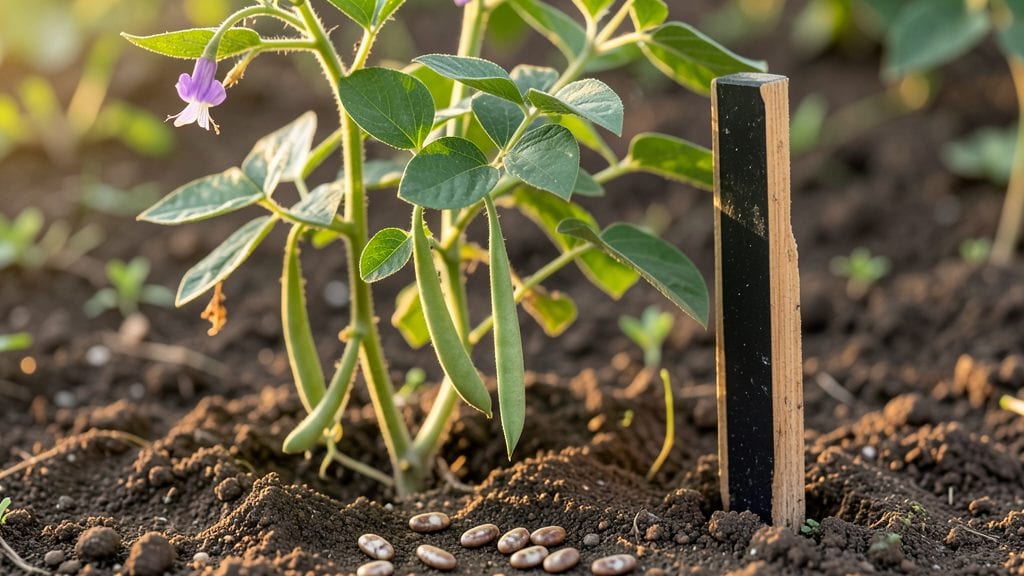
Growing up gardening means watching tiny seeds turn into towering plants in just a few weeks—something even the youngest gardeners can master. 🌱 I remember the first time my nephew planted sunflower seeds and saw them sprout within days; that moment of wonder is what makes gardening so magical for kids (and adults too).
The key to fast results is starting with the right plants: sunflowers, beans, or radishes grow in under 30 days, giving kids instant gratification. You only need basic tools—a small shovel, gloves, and a watering can—and a sunny spot.
Even a windowsill works for container gardening, so space isn’t an issue.
By the end of the season, you’ll have lush green plants that kids can touch, measure, and even harvest. The pride of growing something from scratch builds confidence and a lifelong love for nature. Plus, you’ll learn how to troubleshoot problems like wilting leaves or pests—skills that grow with them.
This approach works for any age group, from toddlers with parent help to older kids taking charge. Let’s get those hands dirty and watch their excitement bloom alongside the plants!
📚 In This Guide
- What you need
- Instructions
- Tips and common mistakes
- Wrapping up and next steps
What you need
- ● Seeds or seedlings: Fast-growing options like radishes, lettuce, bush beans, or cherry tomatoes (choose 3–5 varieties for variety).
- ● Containers or garden bed: For pots: 5–10-inch diameter containers (1–2 per plant, with drainage holes).
- ● For raised beds: A 4’ x 8’ wooden or plastic bed (6–12 inches deep).
- ● Potting soil: 1–2 bags of high-quality, sterile seed-starting mix or garden soil (avoid garden soil with weeds/seeds).
- ● Watering can or spray bottle: A 1-gallon capacity with a gentle spray nozzle.
- ● Fertilizer: A balanced, kid-safe fertilizer (e.g., 5-5-5 or compost tea).
- ○ Gloves: 1 pair of durable, breathable gardening gloves (optional but recommended!).
- ● Hand trowel: A small, ergonomic trowel (4–6 inches long) for digging and planting.
- ● Measuring tape or ruler: For spacing seeds/seedlings (12–24 inches apart, depending on the plant).
- ● Pruners or scissors: Small, sharp pruners for trimming or harvesting.
- ○ Sunlight meter (optional): To check light levels (6+ hours of sun for most veggies).
- ● 🌡️ Label your plants! Use popsicle sticks or plant markers to track what’s growing.
- ● ✨ Recycle containers: Clean yogurt cups, egg cartons, or old buckets work great for seedlings!
- ● 💪 Start small: 3–5 plants are perfect for beginners—no need to go overboard!
Step-by-Step instructions for growing fast plants kids can handle
Let’s grow something together that’ll sprout in days—not weeks!
🌱 Step 1: Pick Your Fast-Growing Superstar
Start with plants that grow in a hurry so you see results fast. Radishes pop up in 7-10 days, and beans show sprouts in just 5-7 days. I like cress too—it grows in 3-4 days and you can eat it like a peppery salad! Grab 4 packets of seeds (one for each kid) and read the back to check how fast they grow.
Here’s the thing—avoid tiny seeds like carrots. They’re tricky to handle and take too long. Big, round seeds like beans or peas are easiest for little fingers. If you’re unsure, ask an adult to help pick the right ones from the store.
🪴 Step 2: Set Up Your Growing Station
Use a shallow tray or even a pie tin—anything with a flat bottom works. Line it with a paper towel or napkin to catch water drips. Fill it with 2 cups of potting mix (the fluffy stuff, not dirt from outside). Press it down lightly with your fingers so it’s firm but not packed tight.
Make little divots with your finger—about ½ inch deep and 1 inch apart. This gives each seed room to grow without bumping into neighbors. If you’re using a tray with sections, just drop one seed per hole. No need to cover them yet!
💧 Step 3: Plant and Water Like a Pro
Drop one seed into each divot. Press it in gently with your finger—just enough so it stays put. Now, here’s where it gets fun: spray the soil with water until it’s damp but not soggy. You’ll know it’s right when water runs through the bottom of the tray like a tiny stream.
Don’t water from above—it’ll wash the seeds away. Instead, hold the spray bottle close and mist until the soil looks dark and moist. Cover the tray with clear plastic wrap or a plastic bag (like the kind chips come in) to trap warmth. This helps the seeds wake up faster!
☀️ Step 4: Watch for Sprouts and Keep It Happy
Put your tray in a sunny spot—near a window that gets light all day. Check every morning for tiny green sprouts. They’ll pop up in just 3-7 days, depending on the seed. When they do, remove the plastic cover so they can stretch toward the sky.
Water again when the top of the soil feels dry to the touch—about every 2-3 days. You’ll see the sprouts grow taller and start to look like real plants. If they lean too much, rotate the tray so they grow straight. Real talk: if a seed doesn’t sprout, don’t worry—just plant another one!
✂️ Step 5: Harvest and Celebrate Your Victory
Once your plants are big enough, it’s time to pick them! Radishes are ready when their tops look like little roses. Beans are good to eat when you can snap the pods easily. Use small scissors or just pull them off with your fingers—it’s like picking a snack from your own garden!
Share your harvest with family or friends. You’ve grown food from a tiny seed—that’s a big deal! Now you’re ready to try something even faster next time. I promise, the next batch will grow even quicker because you’re a pro now.
Tips & tricks for fast-growing kids' plants
These little tricks will help your tiny gardeners see results in record time—and keep their enthusiasm high along the way.
Seed Selection Matters: The 3-7 day sprouting window from Step 1 is only possible with the right seeds. Radishes and beans are your speed champions, but if you want something even faster, cress is unbeatable at just 3-4 days. I always recommend sticking to the seed packets' timelines—those numbers are based on real tests! For extra fun, let each kid pick their own seed type to grow.
Soil Prep Secret: In Step 2, don't just fill the tray with 2 cups of potting mix—give it a gentle squeeze first. It should hold its shape when pressed but still feel light. This creates the perfect balance of firmness for tiny roots to grip while leaving room for air. Think of it like making a cozy bed for your seeds—just right, not too tight or too loose.
Watering Wisdom: The spray bottle technique in Step 3 is genius because it prevents overwatering, but here's the pro move: use lukewarm water instead of cold. Cold water can shock the seeds and slow down germination. Just run the water over your finger first to check—it should feel comfortably warm, like a bath. This small tweak helps those seeds wake up faster and start growing.
Growth Hack: After those first sprouts appear in 3-7 days (Step 4), place a small mirror near the tray for 10 minutes a day. The reflection tricks the plants into thinking they're getting light from both sides, which makes them grow straighter and stronger. It's like giving them a little growth boost without extra sunlight!
Pro Tips for Grow Up Gardening
- These little tricks will help your tiny gardeners see results in record time—and keep their enthusiasm high along the way.
- Seed Selection Matters: The 3-7 day sprouting window from Step 1 is only possible with the right seeds.
- Soil Prep Secret: In Step 2, don't just fill the tray with 2 cups of potting mix—give it a gentle squeeze first.
Frequently asked questions
Got questions about growing your own kid-friendly garden?
Here are some of the most common ones—plus quick, easy answers to get you started!
What are the easiest fast-growing plants for kids to grow?
Start with radishes (ready in 3-4 weeks!), lettuce, or bush beans. Sunflowers and marigolds are also great—they grow fast and add color! Look for seeds labeled "fast-growing" or "kid-friendly" for the best results.
How long does it take to see results in a kid’s garden?
Most fast-growing plants show progress within 2-4 weeks. Radishes and lettuce can be harvested in as little as 3 weeks, while sunflowers may take 6-8 weeks to bloom. Keep a growth journal with your kids to track progress!
How much water do these plants really need?
Water gently every 1-2 days (more in hot weather) to keep soil moist but not soggy. A spray bottle or small watering can works best for little hands. Pro tip: Water in the morning so leaves dry quickly and avoid fungal issues.
Can we grow these plants in containers or just in the ground?
Many fast-growing plants thrive in pots, hanging baskets, or even recycled containers (like yogurt cups). Just ensure they have drainage holes and enough space for roots. Herbs like basil and cherry tomatoes also grow well in small spaces!
What do I do if bugs or pests show up?
Don’t panic! Most pests are harmless. For mild issues, spray plants with a mix of water and dish soap (1 tsp per quart). For bigger problems, try neem oil or introduce ladybugs (natural pest controllers). Kids love "bug hunting" as a fun way to monitor their garden!
What if my plants aren’t growing like they should?
Check these first:
- Sunlight: Most plants need 4-6 hours of sun daily.
- Soil: Use well-draining, nutrient-rich soil (add compost if needed).
- Water: Overwatering can drown roots—let soil dry slightly between waterings.
- Patience: Some plants grow slower in cooler weather.
If problems persist, take a photo and ask a local nursery for help!
Wrapping up and next steps
Growing up with gardening isn’t just about nurturing plants—it’s about cultivating patience, curiosity, and confidence 🌱. Whether you’re sprouting sunflowers or harvesting radishes in weeks, every tiny seed you plant is a step toward big rewards. Start small, keep experimenting, and watch your green thumb—and your confidence—grow together!
Ready to dig deeper? Pick one plant from this guide and turn your backyard (or windowsill!) into a living lab. Share your progress or tag us—we’d love to see your little gardener in action!