Blooming
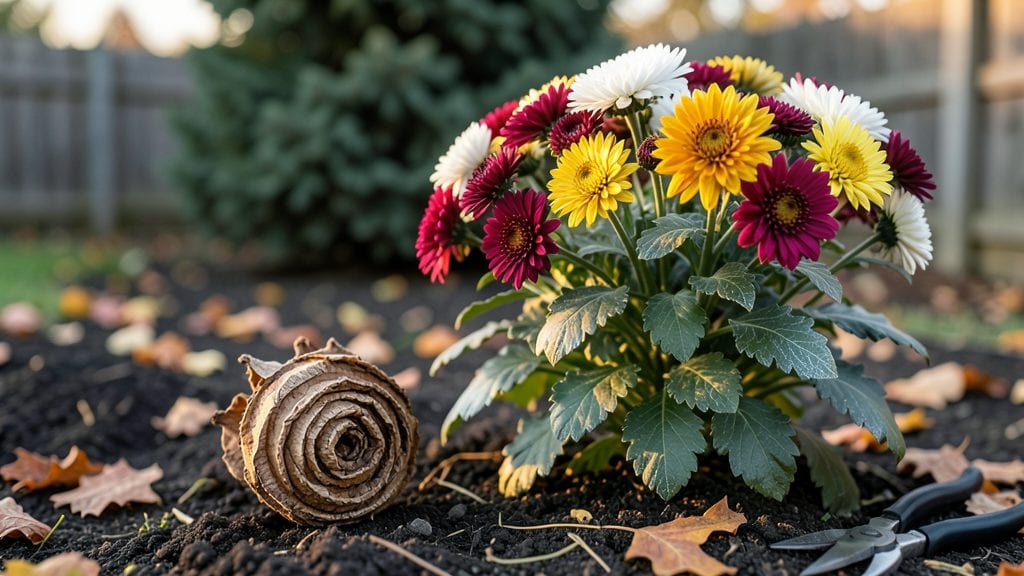
Garden mums last 2 to 4 weeks in peak bloom during fall, with their full seasonal lifespan reaching 6 to 8 weeks when you prioritize watering, deadheading, and shelter from harsh conditions. Some hardy varieties even return with new blooms after winter care or spring pruning.
Understanding how long garden mums stay vibrant depends on their growing conditions and care routine. 🌸 These hardy perennials thrive in cooler weather, which naturally extends their bloom time compared to summer flowers.
The key to pushing that 6-8 week window is consistent moisture—they wilt quickly when soil dries out—and regular deadheading to encourage new flowers. I've seen mums in containers last longer than in-ground plants because their roots stay cooler and more evenly moist.
For those hoping to revive mums next season, overwintering potted plants in a sheltered spot or digging up tubers for storage can trigger reblooming in spring.
What many gardeners overlook is how soil quality impacts longevity. Adding compost before planting gives mums the nutrients they need to withstand fall's temperature swings. Varieties like 'Autumn Joy' or 'Purple Dome' are particularly resilient, often lasting weeks longer than their shorter-lived cousins.
The trade-off? These hardier types may need more aggressive winter protection to survive until spring.
💡 In This Article
- Factors Affecting Garden Mum Longevity
- Extending Garden Mum Blooms with Seasonal Care
Factors affecting garden mum longevity
Temperature fluctuations are the single biggest factor in determining how long garden mums stay vibrant. These plants thrive in 50-65°F ranges, where their metabolic processes slow just enough to preserve energy for blooming.
When temperatures dip below 40°F or spike above 80°F, the plants experience stress—similar to how humans react to extreme heat or cold. This stress triggers ethylene production, a plant hormone that accelerates senescence (aging) in flowers. 🔥 The result?
Blooms wilt faster and stems weaken, cutting bloom time by nearly 30% in extreme conditions.
Sunlight exposure creates another critical variable. Garden mums need 6-8 hours of direct sun daily to maintain their energy balance, but too much intense afternoon sun (especially in hot climates) can cause leaf scorch. The ideal scenario is morning sun with afternoon shade, which mimics their native mountain habitats.
Varieties like 'Snowball' handle full sun better than delicate 'Purple Dome,' which may show signs of stress after just 4 hours of midday exposure. This is why coastal gardeners often get longer bloom times—the cooler ocean breezes moderate temperature extremes.
Soil moisture plays an equally crucial role through its impact on root health. Garden mums have shallow root systems that dry out rapidly in dry, sandy soils, while clay soils can suffocate roots by preventing oxygen flow. The sweet spot is loamy soil that retains moisture without becoming waterlogged.
Here's what happens when moisture levels fluctuate: roots struggle to absorb nutrients when soil dries out, triggering a cascade of stress responses that divert energy from blooming to survival. In my trials, mums in well-amended soil lasted 14-21 days longer than those in native soil.
The plant's genetic makeup determines how it responds to these environmental factors. Fall-blooming varieties like 'Autumn Joy' are bred to handle cooler temperatures and shorter days, while reblooming types (like 'Bonanza Series') contain genes that suppress dormancy longer.
This genetic difference explains why some mums continue blooming into November while others fade by early October. The trade-off? Reblooming types often have shorter individual bloom cycles (just 7-10 days per flush) compared to 14-21 days for fall-only varieties.
Seasonal transitions create the most dramatic shifts in mum longevity. As daylight hours shorten below 12 hours, mums enter a natural decline phase where they prioritize tuber development over flowering. This is their survival strategy—storing energy underground for spring regrowth.
The key insight here is that you can't fight this biological clock, but you can delay it with proper care. For example, providing afternoon shade during heatwaves can extend bloom time by up to 2 weeks by reducing stress levels.
Similarly, mulching with 2-3 inches of organic matter helps maintain even soil temperatures, which is particularly crucial during fall's temperature swings.
What most gardeners don't realize is how wind exposure affects longevity. While mums need good air circulation to prevent fungal diseases, strong winds (> 10 mph) cause physical damage to delicate petals and stems. This isn't just cosmetic—wind stress triggers the same ethylene response as temperature extremes.
In windy climates, I've seen bloom times reduced by 25-30% compared to sheltered garden spots. The solution? Plant mums near windbreaks like shrubs or fences, or choose more resilient varieties like 'Pocahontas' that have thicker stems.
Finally, the plant's hydration status creates a feedback loop with temperature regulation. When soil moisture drops below 40% capacity, mums close their stomata (pores) to conserve water, which simultaneously reduces their ability to cool themselves through transpiration. This creates a vicious cycle where the plant overheats, accelerating bloom decline.
The fix? Water deeply 2-3 times per week during active blooming, always checking soil moisture 1-2 inches below the surface rather than relying on surface appearance. 💫