Container Gardens
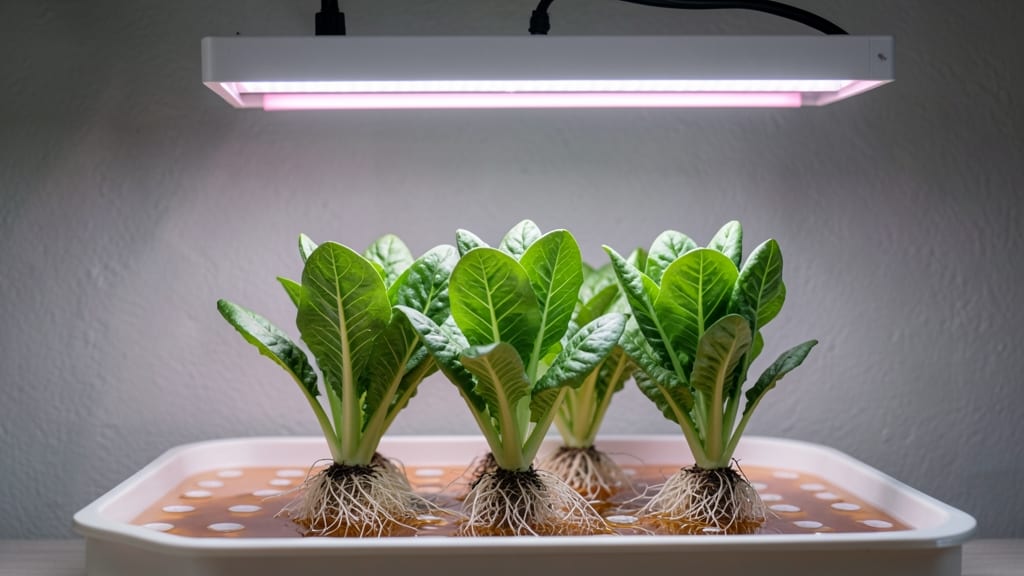
Discover the magic of indoor gardening hydroponics—grow fast herbs in your kitchen without soil or sunlight. That’s the power of indoor hydroponics, and I’ve finally cracked the code after years of struggling with wilted basil and leggy parsley.
The secret isn’t complicated—it’s about water, nutrients, and the right setup to grow plants twice as fast as soil. My first hydroponic batch of mint went from tiny cuttings to a full jar in just three weeks, and the flavor was stronger than anything I’d grown before.
You don’t need a fancy lab to get started. A basic deep-water culture (DWC) system uses a bucket, net pots, an air pump, and a grow light—all gear you can find for under $50.
Herbs like basil, cilantro, and parsley thrive in this setup because they grow quickly and don’t need deep roots. The real game-changer? No more waiting for seeds to germinate or fighting soil-borne diseases.
Just add water, nutrients, and a little patience, and you’ve got a kitchen garden that never stops producing.
Imagine snipping fresh basil for pesto every morning or harvesting cilantro in two weeks instead of six. The plants stay lush, the growth is explosive, and you’ll never run out of greens again—even in winter.
Plus, the space efficiency means you can grow more in a tiny apartment than most people do in a backyard. Here’s how to set up your first system without the headaches.
This method works for more than just herbs—leafy greens like lettuce and spinach respond just as well. The key is keeping the roots oxygenated and the nutrients balanced, which I’ll walk you through step by step. No green thumb required, just a willingness to experiment. Let’s get those plants growing!
📚 In This Guide
- What you need
- Instructions
- Tips and common mistakes
- Wrapping up and next steps
What you need
- ● Hydroponic System: A deep water culture (DWC) or Kratky method kit (or DIY components like a food-grade bucket, net pots, and air stone).
- ● Growing Medium: Rockwool cubes (1-2" diameter) or clay pebbles (for DWC).
- ● Nutrient Solution: A balanced hydroponic fertilizer (e.g., General Hydroponics Flora Series) or pre-mixed herb-specific nutrients.
- ● Water: Filtered or distilled (chlorine-free) to avoid plant stress.
- ● Herb Seeds/Clones: Fast-growing varieties like basil, mint, or parsley (start with 3-5 plants).
- ● pH Test Kit: To monitor and adjust water pH (ideal range: 5.5–6.5).
- ● Air Pump + Air Stone: For oxygenation (critical for root health).
- ● Grow Lights: A full-spectrum LED (12–16 watts per sq. ft.) or fluorescent bulb (12–14 hours/day).
- ○ Timer: To automate light cycles (optional but helpful).
- ● Scissors/Pruners: For trimming herbs (sterilize with rubbing alcohol!).
- ● Measuring Cup/Spoon: For precise nutrient dosing.
- ● Spray Bottle: To mist leaves (humidity control).
- ● Labels + Marker: Track plant types and nutrient changes.
- ○ Optional: Hydroponic nutrients booster (e.g., calcium/magnesium) for stubborn deficiencies.
- ● 🌡️ Temperature: Keep your setup between 65–75°F (herbs hate drafts!).
- ● ✨ Space: A small countertop or shelf works—no need for a greenhouse!
- ● 🔄 Maintenance: Change nutrient solution every 1–2 weeks to prevent algae.
Step-by-step instructions for indoor hydroponics gardening
Here's how to grow herbs quickly without soil or sunlight—my foolproof method for beginners.
Assemble and Fill the Hydroponic System
Start by filling your hydroponic reservoir with 4 gallons of nutrient solution—this is your plant's food source. I use a deep water culture system because it's simple and fast for herbs. The water level should reach about 3 inches below the net pots where your plants will sit. This ensures roots stay submerged but leaves stay dry.
Double-check that your air pump and air stone are placed in the reservoir. You'll see tiny bubbles rising constantly—they're oxygenating the water, which roots need to thrive. If bubbles stop, your pump may need cleaning or replacement. This step is critical because stagnant water leads to root rot in 3-5 days.
Prepare and Place the Herb Clones
Remove your 4 herb clones from their packaging and gently separate the roots if they're bundled. Place each clone into a net pot, ensuring the roots dangle freely into the water. The stem should sit just above the waterline—never submerged. I like to use basil, mint, parsley, and chives because they root quickly in hydroponics.
Secure each net pot in the system's lid or frame. You'll see the roots start to turn white and fuzzy within 48 hours—that's a sign they're adapting to the water environment. If any leaves turn yellow immediately, the clone may be stressed. Give it 24 hours before adjusting anything.
Set Up Lighting for Fast Growth
Position your full-spectrum LED grow light 6 inches above the plants. Herbs need 14-16 hours of light daily to grow quickly. I set a timer on my light so it turns on automatically at 6 AM and off at 8 PM. Without enough light, your herbs will grow leggy and weak.
Watch for new leaf growth within 7-10 days. If leaves stretch upward toward the light, your light is too far away—lower it by 1-2 inches. The goal is compact, bushy growth. I also rotate the plants a quarter turn every 3 days to prevent them from leaning toward one side.
Maintain Nutrients and Water Levels
Check the nutrient solution level every 2 days and top off with water if needed. The solution should always cover the roots but never reach the stem. I use 1 tablespoon of hydroponic nutrient mix per gallon—follow the package instructions carefully. Too much nutrient can burn roots, while too little stunts growth.
You'll know your system is balanced when you see new leaves forming every 5-7 days. If leaves develop brown tips, your nutrient mix may be too strong. Flush the system with fresh water and reduce the nutrient dose by half. This happens to everyone—don't panic, just adjust and watch your plants bounce back within a week.
Tips & tricks for perfect indoor hydroponics gardening
Here's what I've learned to help you grow herbs faster and healthier without soil or sunlight.
The Air Pump is Non-Negotiable: In Step 1, when you set up your system, make sure the air pump and air stone are fully submerged. I've seen beginners skip this, and within 3-5 days, their plants start showing signs of root rot from stagnant water. The constant bubbles aren't just for show—they're delivering oxygen directly to your roots, which is essential for fast growth. If bubbles stop, clean the air stone with vinegar or replace it immediately.
Root Adaptation Timeline Matters: Those first 48 hours after placing your herb clones are crucial. You'll notice roots turning white and fuzzy as they adapt to the water environment. If any leaves turn yellow immediately, don't panic—just give it 24 hours before making adjustments. I've found that stressed clones often recover if you leave them alone during this adjustment period. The key is patience during these first critical days.
Light Position is Everything: In Step 3, when positioning your full-spectrum LED grow light 6 inches above the plants, remember that herbs need consistent 14-16 hours of light daily for optimal growth. I set my timer to 6 AM to 8 PM automatically, but if you're working during the day, consider using a smart plug that lets you control the light remotely. The goal is compact, bushy growth—not tall, leggy stems reaching for light.
Nutrient Balance is a Science: When maintaining your nutrient solution every 2 days, remember that too much nutrient can burn roots while too little stunts growth. I've learned that watching for new leaves forming every 5-7 days is the best indicator your system is balanced. If you notice brown tips developing, flush the system with fresh water and reduce your nutrient dose by half—your plants will bounce back within a week.
Pro Tips for Indoor Gardening Hydroponics
- Here's what I've learned to help you grow herbs faster and healthier without soil or sunlight.
- The Air Pump is Non-Negotiable: In Step 1, when you set up your system, make sure the air pump and air stone are fully submerged.
- Root Adaptation Timeline Matters: Those first 48 hours after placing your herb clones are crucial.
Frequently asked questions
Got questions about diving into indoor hydroponics? You’re not alone—here are some of the most common ones, answered for quick clarity!
What herbs grow fastest in hydroponics?
Fast-growing herbs like basil, mint, and cilantro thrive in hydroponics, often reaching harvestable size in 3–4 weeks. Leafy greens like parsley and chives also grow quickly, making them perfect for beginners.
How long does it take to see results?
With the right setup, you’ll spot early growth (tiny sprouts) in 5–7 days. Full harvest depends on the plant—basil may be ready in 3–4 weeks, while root veggies like radishes take 4–6 weeks. Patience pays off!
What if my hydroponic system isn’t working?
Troubleshoot with these quick fixes:
No growth? Check water pH (aim for 5.5–6.5) and nutrient levels.
Yellow leaves? Overwatering or nutrient burn—flush the system and adjust ratios.
Mold or algae? Clean your reservoir and reduce light exposure.
Most issues stem from pH imbalances or poor circulation—adjust and observe!Are there affordable hydroponics alternatives?
Skip pricy kits and try:
- DIY Kratky method (uses jars, water, and net pots—$10–$20 for supplies).
- Recycled containers (clean plastic bins or even soda bottles) with a simple water pump.
- Secondhand grow lights (check Facebook Marketplace or thrift stores).
Do I need special lighting?
Yes, but it doesn’t have to break the bank! LED grow lights (like 6400K/2700K spectrum) are ideal, but compact fluorescent bulbs or even sunlight near a window (6+ hours/day) work for herbs. Avoid incandescent bulbs—they generate too much heat.
Wrapping up and next steps
Indoor hydroponics gardening is your ticket to a thriving herb garden—no soil, no sunlight, and no excuses! 🌱 With the right setup, you can enjoy fresh basil, mint, and cilantro year-round, saving money and boosting your cooking game.
Whether you're a beginner or a seasoned green thumb, hydroponics makes growing herbs easier and more rewarding than ever.
Ready to dive in? Start small—pick one herb to test the waters, then expand your system as you gain confidence. Before you know it, you’ll be the proud host of a lush, low-maintenance indoor oasis. Happy growing! 🌿✨