Flowers
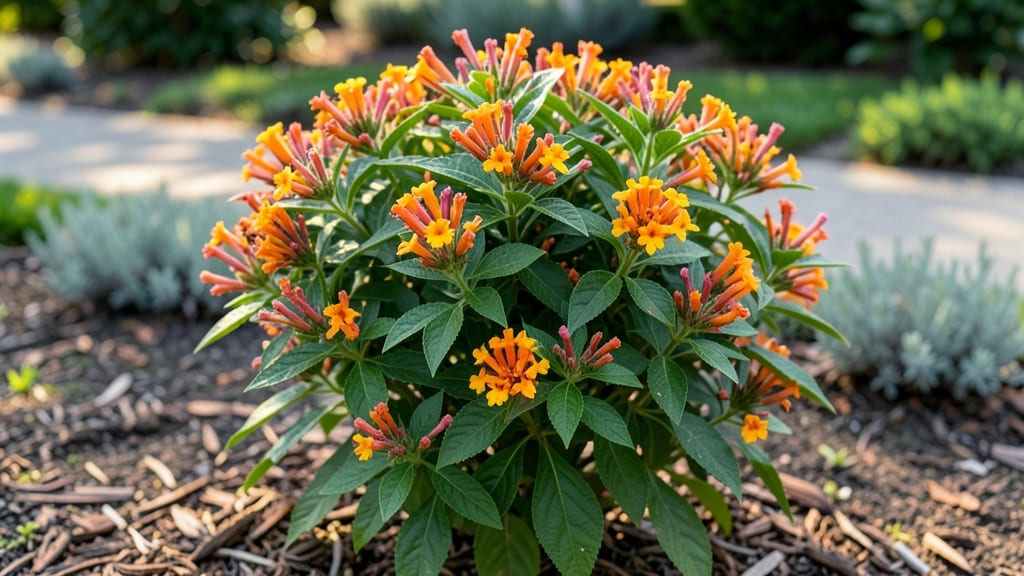
Texas flower gardening isn’t about fighting the heat—it’s about working with it to create gardens that burst with color year-round. 🌻 I’ve spent years perfecting bold, sun-soaked beds that thrive when most plants wilt, using native Texas flowers like bluebonnets and salvias as the stars.
These plants don’t just survive the 100-degree summers; they flourish, turning your yard into a vibrant oasis.
The secret lies in smart placement and drought-tolerant choices. Group plants with similar water needs together, and always prioritize shade for delicate blooms like impatiens while letting sun-lovers like lantana soak up the rays.
Texas soil often needs a boost—amend with compost to help roots establish faster, and mulch heavily to lock in moisture. My spring-blooming beds now produce nonstop color from February through November.
Imagine walking outside to find your garden alive with jewel-toned blooms—deep reds, sunny yellows, and purples that never fade under the Texas sun. The best part?
These plants attract hummingbirds and butterflies while requiring far less water than traditional flowers. You’ll spend less time fussing and more time enjoying the show.
Whether you’re starting from seed or transplanting nursery-grown plants, this approach works for any Texas yard—from suburban backyards to urban balconies. Let’s build a garden that’s as tough as it is beautiful.
📚 In This Guide
- What you need
- Instructions
- Tips and common mistakes
- Wrapping up and next steps
What you need
- ● Soil: 50 lbs of well-draining, native Texas soil mix (or potting soil for containers). Amend with compost (10-20% by volume) for nutrients.
- ● Plants: Heat-tolerant Texas natives or hybrids like Lantana, Blackfoot Daisy, or Mexican Feather Grass (3-5 plants per 4’ x 4’ area).
- ● Watering System: Drip irrigation kit (for efficiency) or a hose with adjustable nozzle.
- ● 5-gallon watering can (for seedlings or small pots).
- ● Mulch: 2-3 inches of organic mulch (pine straw, shredded bark) to retain moisture.
- ● Fertilizer: Slow-release, balanced fertilizer (10-10-10) or organic options like fish emulsion.
- ● Tools: Trowel (for planting)
- ● Pruning shears (for maintenance)
- ● Garden gloves (heat-resistant)
- ● Wheelbarrow (for hauling soil/mulch)
- ● Shade Cloth: 30-50% shade fabric for seedlings or delicate blooms.
- ● Soil Moisture Meter: To monitor water needs in extreme heat.
- ● Decorative Stones: For pathways or garden borders (e.g., river rocks).
- ● Bird Feeders/Butterfly Attractants: To invite pollinators to your garden! 🦋
How to design a heat-tolerant Texas flower garden
Here's the foolproof approach I use to create vibrant, drought-resistant gardens that bloom year-round.
🌱 Step 1: Select Native and Heat-Adapted Varieties
Texas' brutal summers demand plants bred for 100°F+ temperatures and occasional drought. Start with native species like Mexican feather grass (Nassella tenuissima), blackfoot daisy (Melampodium leucanthum), or autumn sage (Salvia greggii). These thrive with minimal intervention once established.
For bold color, add heat-tolerant annuals like Mexican sunflower (Tithonia rotundifolia) or firecracker flower (Russelia equisetiformis). Both handle full sun exposure and require only weekly watering after initial establishment. I always check the USDA hardiness zone map—stick to zones 8-11 for reliable blooms.
☀️ Step 2: Optimize Sun Exposure and Soil Drainage
Most Texas flowers need 6+ hours of direct sun daily. Position your garden in the west-facing area to capture afternoon sunlight without scorching delicate petals. Amend native clay soil with 2-3 inches of compost to improve drainage—waterlogged roots kill even the hardiest plants.
I create raised beds for annuals to prevent soil compaction. Fill them with a mix of 60% native soil, 30% coarse sand, and 10% organic matter. This creates a loose, well-draining medium that mimics natural Texas conditions. Test drainage by pouring 1 gallon of water—it should drain completely within 30 minutes.
💧 Step 3: Implement Deep Watering on a Strategic Schedule
Texas heat demands deep, infrequent watering rather than daily shallow drinks. Water early morning only to prevent fungal diseases from evening moisture. I use drip irrigation placed 6 inches from plant bases to deliver 1-1.5 inches of water per week during peak summer.
Watch for wilting leaves—this is your signal to water. Native plants show resilience by folding leaves upward during drought, but annuals may droop. Mulch with 2-3 inches of shredded bark to retain moisture and regulate soil temperature. The mulch layer should feel slightly damp at the surface between waterings.
✂️ Step 4: Prune for Continuous Blooming and Pest Control
Deadhead spent blooms immediately to encourage nonstop flowering. For example, Mexican bush sage produces fresh flowers on old wood—never prune back into last year's growth. Use clean, sharp shears to cut just above a leaf node at a 45-degree angle for optimal regrowth.
Inspect plants weekly for aphids or whiteflies, common in Texas heat. I spray affected areas with neem oil solution in the early morning to avoid harming pollinators. Prune any yellowing leaves immediately—they indicate stress from pests or overwatering. Healthy plants develop thick, waxy leaves that repel many insects naturally.
🌿 Step 5: Seasonal Adjustments for Year-Round Color
Spring is prime time for perennial bulbs like rain lilies (Zephyranthes), which bloom in April-May. Plant them 3-4 inches deep in well-draining soil. Summer brings heat-loving annuals like zinnia and portulaca, while fall showcases mums and salvias that tolerate 60°F nights.
Winter care is minimal—remove dead foliage but leave seed heads for winter interest. I add a light layer of mulch in December to protect roots from freeze-thaw cycles. Most Texas natives return in spring with minimal intervention, proving their hardiness. The key is observation: adjust watering based on rainfall, not calendar dates.
Tips & tricks for perfect Texas flower gardens
Creating a thriving Texas flower garden isn't just about planting—it's about understanding the unique challenges of our climate. Here's what I've learned after years of trial and error to keep your garden vibrant through even the hottest summers.
Heat Tolerance Selection: When choosing plants for your garden, focus on those specifically bred for 100°F+ temperatures. Mexican feather grass and blackfoot daisy are my top recommendations—they've evolved to handle Texas heat while requiring minimal water once established. I always verify plants against the USDA hardiness zones 8-11 to ensure they'll thrive in your specific microclimate. The key is selecting varieties that match your local conditions rather than forcing plants to adapt.
Drainage Test: The 30-minute drainage test mentioned in Step 2 is non-negotiable for Texas gardens. Poor drainage is the number one reason heat-loving plants fail here. After amending your soil with that 60-30-10 mix, conduct the test by pouring 1 gallon of water and timing how quickly it drains. If it takes longer than 30 minutes, add more coarse sand to your mix. This simple test prevents root rot that would otherwise kill your plants during summer downpours.
Watering Strategy: The 1-1.5 inches per week watering guideline during peak summer might seem counterintuitive, but it's crucial. I've seen many gardeners overwater in an attempt to protect their plants, only to create waterlogged conditions that suffocate roots. The trick is to water deeply but infrequently—this encourages roots to grow deeper in search of moisture, making plants more resilient. Always water in the early morning to allow foliage to dry completely before evening humidity sets in.
Seasonal Transition: The shift from 100°F days to 60°F nights in fall requires special attention. When temperatures drop below 70°F, reduce watering to every 10-14 days unless you're experiencing a drought. This adjustment prevents fungal diseases that thrive in cooler, wetter conditions. I also recommend adding a light layer of mulch in December to protect roots from temperature fluctuations—this simple step can mean the difference between plants that survive winter and those that don't.
Pro Tips for Texas Flower Gardening
- Creating a thriving Texas flower garden isn't just about planting—it's about understanding the unique challenges of our climate.
- 🌡️ Heat Tolerance Selection: When choosing plants for your garden, focus on those specifically bred for 100°F+ tempe...
- Drainage Test: The 30-minute drainage test mentioned in Step 2 is non-negotiable for Texas gardens.
Frequently asked questions
Got questions about growing vibrant flowers in Texas’s tough climate? You’re not alone! Here are answers to the most common concerns from gardeners just like you.
What are the best heat-tolerant flowers for Texas gardens?
Opt for native or drought-resistant blooms like Lantana, Blackfoot Daisy, Mexican Feather Grass, or Zinnias. These thrive in Texas’s heat and humidity while requiring minimal water. Pro tip: Salvias and Turk’s Cap also handle the heat beautifully!
When is the best time to plant flowers in Texas?
For most annuals, plant in early spring (March-April) or fall (September-October) to avoid peak summer heat. Perennials and shrubs can go in winter (November-February) for cooler soil. Never plant in July or August—the heat will shock roots!
How often should I water my Texas flower garden?
Water deeply 2-3 times per week during extreme heat (or daily if no rain). Early morning is best to reduce evaporation. Drip irrigation or soaker hoses save water and keep foliage dry, preventing fungal issues. Mulch heavily to retain moisture!
How do I keep pests like aphids and spider mites away?
Texas pests love tender blooms! Prevent them with neem oil or insecticidal soap. Ladybugs and lacewings are natural predators—invite them with companion plants like Marigolds or Basil. For severe infestations, prune affected leaves and dispose of them.
Can I grow flowers in containers in Texas?
Choose large pots (12"+ diameter) with drainage holes and use well-draining soil. Succulents, Petunias, and Geraniums do well in containers. Move pots to shadier spots midday in summer to protect roots. Fertilize every 4-6 weeks for container-specific blooms!
What if my flowers wilt in the heat?
Wilting is normal! Water deeply at the base (not overhead) and trim dead blooms to encourage new growth. Shade cloth can help sensitive plants. If wilting persists, check for overwatering or root rot—Texas soil can hold too much moisture after heavy rains.
Wrapping up and next steps
Texas flower gardening is all about embracing the bold, vibrant, and resilient blooms that thrive in the Lone Star State’s unique climate. From sun-loving Lantana to drought-tolerant Blackfoot Daisy, your garden can be a colorful oasis with the right choices—and a little patience! 🌸
Ready to dive in? Start small—pick one or two native plants to test your soil and microclimate, then expand as you gain confidence. Whether you’re a seasoned gardener or just sprouting curiosity, every seed planted is a step toward a stunning, low-maintenance paradise. Happy gardening! 🌞