Flowers
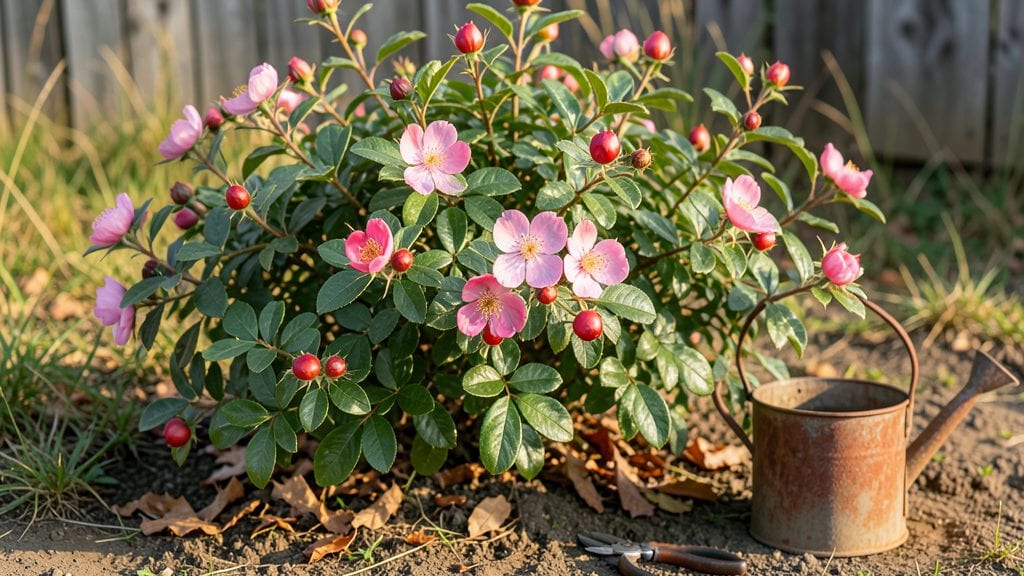
The sharp contrast of thorny garden flowers transforms any space into a living sculpture—where texture meets drama and pollinators thrive. 🌿 I’ll never forget the first time I wove barberry’s jagged stems through a border; suddenly, my garden had both security and style.
These plants aren’t just pretty—they’re the unsung heroes of garden defense, turning fence lines into lush, impenetrable canvases.
Think beyond roses: barberries form dense, spiky hedges that deter critters, while acacias add silvery foliage and fragrant blooms. Roses, of course, bring romance—but their thorns create a natural barrier that’s as practical as it is pretty.
The key is placement: cluster them along pathways or property edges where their structure serves a purpose, not just a pretty face.
You’ll love how these plants work together—barberry’s fiery fall color contrasts with acacia’s delicate yellow puffs, while roses add softness with their blooms. They require minimal fuss once established: just prune to shape and watch them grow into a low-maintenance, high-impact centerpiece.
The best part? Butterflies and bees adore them, turning your garden into a buzzing, blooming oasis.
Perfect for cottage gardens, modern landscapes, or even urban courtyards where space is tight. Here’s how to weave them into your design without sacrificing beauty for function—because a garden should protect as much as it pleases.
📚 In This Guide
- What you need
- Instructions
- Tips and common mistakes
- Wrapping up and next steps
What you need
- ● Thorny flowering plants: 3–5 varieties (e.g., Rosa rugosa, Pyracantha, Berberis, Cotoneaster, or Rhamnus). Choose 2–3 per 100 sq. ft. for a balanced look.
- ● Well-draining soil: 1–2 cubic yards of amended garden soil (mix with compost or peat moss for fertility). Aim for a pH of 6.0–7.0.
- ● Organic mulch: 2–3 inches of wood chips, straw, or pine needles to retain moisture and suppress weeds.
- ● Slow-release fertilizer: 10–20 lbs. of 10-10-10 or a rose-specific blend (apply at planting and mid-season).
- ● Garden gloves: Heavy-duty, thorn-resistant (e.g., Mechanix or Tough Outdoors gloves).
- ● Pruners: Bypass pruners (for clean cuts) and loppers (for thicker stems). Sharpen before use!
- ● Trowel & shovel: A 6-inch trowel for planting small roots and a round-point shovel for digging.
- ● Watering can or hose: With a gentle spray nozzle (1–2 gallons capacity).
- ● Measuring tape & stakes: For spacing plants 3–6 feet apart (depending on variety).
- ● Erosion control fabric: For slopes or sandy soil (lay under mulch).
- ● Pollinator-friendly companions: Native wildflowers (e.g., Echinacea or Asclepias) to boost biodiversity.
- ○ Arborist spray: For dusting off thorns post-planting (optional but handy!).
- ● Garden journal: To track plant growth, blooms, and maintenance notes.
Step-by-Step guide to designing a striking thorny flower garden
Here's how to create a bold, wildlife-friendly garden using nature's built-in security.
🌱 Step 1: Select Your Thorny Star Players
Start with four dramatic thorny flowers that bring both texture and pollinator power. I recommend roses for classic beauty, blackberry bushes for edible thrills, hawthorn for wildlife magnetism, and pyracantha for year-round interest. Each serves a purpose—roses for fragrance, berries for birds, hawthorn for structure, and pyracantha for vibrant berries that last through winter.
Check your hardiness zone before purchasing. Thorny plants often have specific climate needs. For example, roses thrive in zones 4-9, while pyracantha prefers zones 5-8. Plant them where they'll get at least 6 hours of sunlight daily—thorny plants need strong growth to support their defensive spines.
🪴 Step 2: Prepare Planting Sites with Care
Dig holes twice as wide as each plant's root ball but only as deep as the container. Thorny plants resent buried stems, which rot over time. Mix the removed soil with 2 inches of compost from your list to enrich the native dirt. This ensures strong root establishment without overwhelming the plants.
Space plants according to their mature size. Roses need 3-4 feet apart, while blackberry bushes require 5-6 feet for proper air circulation. Hawthorn and pyracantha can share space at 4 feet apart. Mark planting spots with stakes to avoid confusion—thorny plants don't appreciate being moved once established.
☀️ Step 3: Plant and Water for Immediate Support
Place each plant in its hole, then backfill with the soil-compost mix, tamping gently as you go. Water deeply right after planting to eliminate air pockets. You'll know you've done it right when water drains evenly from the bottom of the hole. For roses, create a 1-inch deep basin around the base to direct water where it's needed most.
Mulch with 2-3 inches of organic mulch around each plant, keeping it 6 inches away from stems. This prevents rot while retaining moisture. I like to use wood chips because they break down slowly and improve soil over time. Water again after mulching to settle everything in place.
✂️ Step 4: Prune and Protect for Healthy Growth
Prune immediately after planting to shape each plant and encourage strong branching. Remove any dead, crossing, or weak branches first. For roses, cut back one-third of the oldest canes to stimulate new growth. Thorny plants like pyracantha and hawthorn need minimal pruning—just remove any dead wood or overcrowded branches.
Install bird netting around berry-producing plants if squirrels or birds are a problem. Thorns deter many pests, but determined critters will still try. Check plants weekly for signs of stress—yellowing leaves often mean overwatering, while crispy edges signal underwatering. Adjust your watering schedule accordingly.
🌿 Step 5: Maintain Through the Seasons
Feed roses with a balanced fertilizer in early spring and again after flowering. For berry-producing plants, use a low-nitrogen, high-phosphorus formula to encourage fruit set. Water deeply once a week during dry spells, aiming for 1-1.5 inches of water per week. Thorny plants are drought-tolerant once established, but consistent moisture helps them thrive.
Prune again in late winter before new growth appears. Remove any dead wood and shape the plants for the coming season. Watch for pests like aphids on roses—spray with neem oil if you spot them. With proper care, your thorny garden will become a pollinator paradise and a low-maintenance security feature all in one.
Tips & tricks for perfect thorny flower gardens
Here's what I've learned after years of creating these dramatic, wildlife-friendly garden spaces that double as natural security systems.
Plant Selection Wisdom: When choosing your thorny plants, prioritize diversity in height and form. Pair your roses with upright hawthorn in the back and sprawling blackberry bushes along fences. This creates visual interest while maximizing pollinator access—bees love the variety! I also recommend adding a few cotoneaster bushes (optional) for extra berry production and winter color if your zone allows.
Soil Prep Secret: The 2-inch compost amendment in Step 2 is non-negotiable for these heavy feeders. I like to add a handful of bone meal (optional) to the planting hole for roses—it gives them a phosphorus boost for stronger roots. For berry producers, mix in a bit of kelp meal (optional) to improve disease resistance. Work these amendments into the bottom of the hole where roots will grow most actively.
Watering Strategy: That initial deep watering in Step 3 isn't just about settling the soil—it's about establishing root depth. I use a soaker hose for the first week to encourage roots to grow downward. For established plants, the 1-1.5 inches per week guideline works, but I always check soil moisture by sticking my finger 2 inches down—if it's dry, water again. Mulch helps, but don't skip the occasional deep soak during dry spells.
Pruning Pro Tips: When you cut back that one-third of oldest canes in Step 4, make clean cuts just above an outward-facing bud. For roses, I like to shape them like a vase—open in the middle, narrower at the top. For pyracantha, only prune to remove dead wood unless you're shaping for a hedge. And here's a game-changer: spray your pruners with rubbing alcohol between cuts to prevent spreading any potential diseases.
Pro Tips for Thorny Garden Flowers
- Here's what I've learned after years of creating these dramatic, wildlife-friendly garden spaces that double as natural security systems.
- Plant Selection Wisdom: When choosing your thorny plants, prioritize diversity in height and form.
- Soil Prep Secret: The 2-inch compost amendment in Step 2 is non-negotiable for these heavy feeders.
Frequently asked questions
Got questions about adding thorny garden flowers to your landscape? You’re not alone! These striking plants bring drama and pollinator support—but they come with unique care needs. Here are some of the most common questions (and answers) to help you thrive with thorny beauties like roses, barberries, or pyracantha.
Can thorny flowers hurt pets or kids?
Most thorny flowers have mild thorns that won’t cause serious harm, but sharp varieties like Berberis (barberry) or Rosa (roses) can prick skin. Plant them in low-traffic areas, use thorn-proof fencing near play zones, and teach kids to avoid reaching into dense foliage. Opt for thornless cultivars (like some roses or Pyracantha) if safety is a priority.
When is the best time to plant thorny flowers?
Spring (after the last frost) or early fall are ideal for most thorny perennials and shrubs. Bare-root roses should go in during dormancy (late winter), while tropical varieties (like Hibiscus rosa-sinensis) thrive in warm soil. Pro tip: Amend soil with compost and water deeply after planting to reduce transplant shock.
Do thorny flowers still attract pollinators?
Thorns don’t deter bees, butterflies, or hummingbirds—roses, blackberries, and hawthorns are pollinator magnets. In fact, their dense blooms provide nectar and shelter. Pair them with companion plants like lavender or coneflowers to create a buzzing ecosystem. Just avoid pesticides near flowering thorny shrubs!
How do I safely prune thorny plants?
Pruning thorny flowers requires gloves, long sleeves, and sharp bypass pruners to avoid snags. Wear eye protection and work on a dry day to reduce sap splatter. Cut just above a bud or outward-facing branch to encourage growth. For roses, sterilize tools with rubbing alcohol between cuts to prevent disease.
What are some low-maintenance thorny alternatives to roses?
If roses feel high-maintenance, try these pollinator-friendly, thorny workhorses:
- Pyracantha (Firethorn): Berries for birds, glossy leaves, and zero pruning needed.
- Cotoneaster: Drought-tolerant, with red/orange berries and minimal upkeep.
- Goumi Berry (Elaeagnus): Edible fruit, salt-tolerant, and deer-resistant.
- Russian Olive: Fast-growing, drought-proof, but invasive in some regions—check local laws!
All thrive in full sun to partial shade and add texture without the fuss of roses.
Wrapping up and next steps
Thorny garden flowers aren’t just stunning—they’re low-maintenance, pollinator magnets that add bold texture and character to any space! 🌿 From roses to agave, these plants thrive with minimal fuss while supporting bees, butterflies, and hummingbirds.
Whether you’re a seasoned gardener or just starting, their resilience and beauty make them a must-have for any outdoor oasis.
Ready to transform your garden? Start small—pick one thorny favorite, gather your tools, and dive in! Check out our planting tips to kick off your project with confidence.