Watering
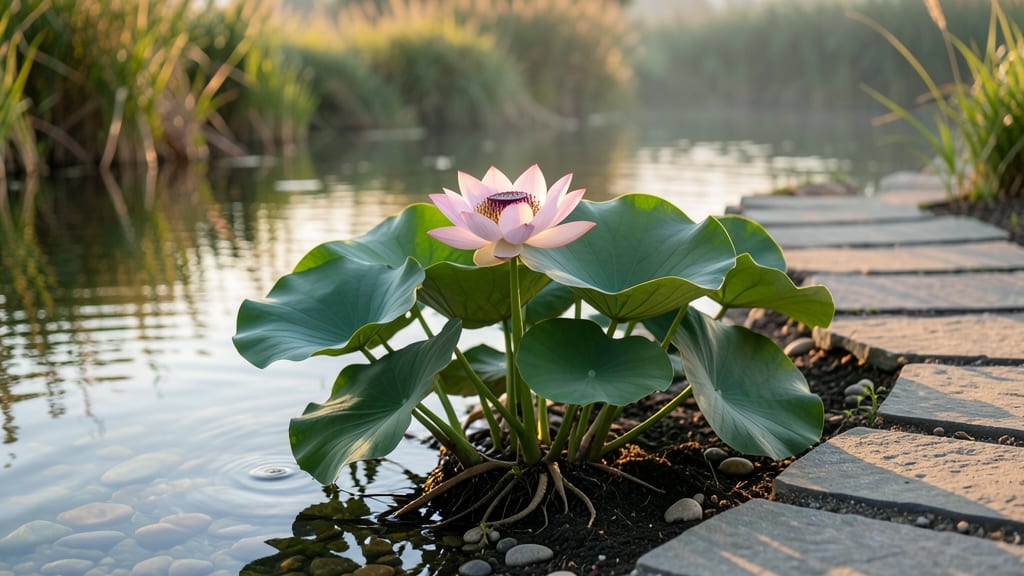
Creating a water garden park transforms your backyard into a living painting where every ripple tells a story. ✨ I designed mine around a small pond edged with cattails and water lilies, and the difference in my property's tranquility was immediate—frogs, dragonflies, and birds moved in within weeks.
The magic starts with the right balance: 60% aquatic plants (like lotus and water hyacinth) for oxygen and shade, 30% marginals (such as sweet flag and pickerelweed) to soften the water’s edge, and 10% moisture-loving species (hostas, ferns) nearby for texture.
A simple recirculating pump keeps the water fresh without chemicals, and a few rocks create natural hiding spots for wildlife.
By summer, you’ll have a space that hums with life—dragonflies darting over the surface, koi gliding through the shallows, and the air thick with the scent of blooming water irises. The best part? It requires less maintenance than a traditional garden once established, and the wildlife benefits are priceless.
Whether you go for a Japanese zen pond, a tropical waterfall, or a modern minimalist basin, the key is layering plants and features to create depth—both visually and for the creatures that call it home. Let’s make your water garden park a true retreat.
📚 In This Guide
- What you need
- Instructions
- Tips and common mistakes
- Wrapping up and next steps
What you need
- ● Water Source: Pond pump (1-2, depending on size; 1,000–3,000 GPH recommended)
- ● Hose or water supply line (½-inch diameter, 50+ feet)
- ● Container/Structure: Pre-formed pond liner (EPDM or PVC, 45-mil thickness)
- ● Pond underlayment (10–20 mil thick, for weed barrier)
- ● Rocks or stones (100–200 lbs, mixed sizes for edges and depth)
- ○ Filtration & Aeration: UV clarifier (optional but recommended for algae control)
- ● Air pump and air stone (for oxygenation)
- ● Plants (mix of floating, submerged, and marginal): Water lilies (3–5 plants, depending on pond size)
- ● Submerged oxygenators (e.g., hornwort or anacharis, 1–2 bunches)
- ● Marginal plants (e.g., cattails or rushes, 5–10 stems)
- ○ Wildlife Additions (optional but fun!): Koi or goldfish (1–2 fish per 10 sq. ft. of surface area)
- ● Frogs or dragonflies (natural pest control!)
- ● LED pond lights (for ambiance and safety)
- ● Solar-powered fountain (adds movement and charm)
- ● Benches or seating (for that "park" vibe)
- ● Waterfall kit (if you want a dynamic feature)
How to design a functional water garden park
Transform your outdoor space into a thriving aquatic ecosystem with these proven steps.
🪴 Step 1: Select and Prepare the Base Structure
Choose a shallow, sunlit area that can hold at least 12-18 inches of water depth—this accommodates most aquatic plants while keeping maintenance manageable. Line the base with a waterproof liner (like EPDM rubber) to prevent leaks, and secure it with landscape staples around the edges. For naturalistic appeal, use a combination of smooth river rocks and coarse gravel to create gentle slopes and shallow areas where marginal plants can thrive.
Here's the thing—water gardens need gradual depth transitions. Start with a 3-inch deep perimeter zone for oxygenating plants like water hyacinth, then slope downward to 6-12 inches for submerged species. Test your liner's fit by filling the area with 2-3 inches of water first—this helps identify any high spots where water might pool unevenly.
💧 Step 2: Install Circulation and Filtration
Add a small submersible pump (100-200 GPH) to create gentle water movement—this oxygenates the water, deters mosquitoes, and prevents stagnation. Position the pump near the deepest point and use flexible tubing to distribute water through a spray bar or small fountain at the surface. For filtration, incorporate a biological media filter (like lava rock or ceramic rings) in a separate container or integrated system to break down organic waste naturally.
I know it seems counterintuitive, but less is more with water features. A pump running 24/7 on low speed maintains circulation without creating noise or disturbing wildlife. Place the filter media in a mesh bag near the pump intake—this traps debris before it enters the system, reducing clogs and extending maintenance intervals.
🌱 Step 3: Plant in Strategic Zones
Divide your water garden into three distinct plant zones: emergent (rooted in water but with leaves above), floating, and submerged. Start with 2-3 emergent plants per square foot (like iris or cattails) along the perimeter—their roots filter nutrients while providing habitat. Add 3-5 floating plants (water lilies or lotus) to shade the water and reduce algae growth. For submerged plants, use hornwort or anacharis in the deeper sections to absorb excess nutrients.
This is the moment that matters: plant spacing. Crowding stresses plants and leads to competition. Space emergents 12-18 inches apart, floating plants 18-24 inches apart, and submerged species in small clusters to encourage natural spread. Watch for new growth within 3-4 weeks—that’s your signal the ecosystem is stabilizing.
☀️ Step 4: Introduce Wildlife Habitats
Create micro-habitats to attract beneficial wildlife. Add smooth flat stones for basking turtles or sunning frogs, and include a small bog garden with sphagnum moss and sedges near the water’s edge. Install a floating platform (like a bamboo mat) for dragonflies to rest, and leave 10-15% of the water surface uncovered to allow birds access for drinking and bathing.
Real talk: native species matter most. Research your region’s aquatic wildlife—native frogs, dragonflies, and birds will thrive without requiring intervention. Avoid adding fish unless you’re prepared for long-term maintenance; they disrupt the natural balance by consuming plants and invertebrates that control algae.
⏰ Step 5: Establish Maintenance Routines
Schedule weekly checks for water clarity, plant health, and pump operation. Remove excess leaves and debris with a fine mesh net, and top off evaporated water as needed—tap water is fine, but let it sit for 24 hours to off-gas chlorine. Every 4-6 weeks, rinse the filter media in a bucket of old pond water (never tap water) to preserve beneficial bacteria.
Here’s where it gets fun—seasonal adjustments. In spring, add barley straw to inhibit algae growth. In fall, trim back dead foliage but leave seed heads for winter interest and food for birds. If you notice cloudy water or excessive algae, it’s a sign your plant-to-water ratio is off—add more floating plants to increase shade.
Tips & tricks for perfect water garden parks
Creating a thriving aquatic ecosystem isn't just about following steps—it's about understanding the subtle details that make the difference between a functional water feature and a true wildlife haven.
Depth Strategy: The 3-inch to 12-inch depth gradient in Step 1 is your secret weapon against stagnant water. That initial 2-3 inch test fill reveals hidden imperfections in your liner that would cause water pooling and plant stress later. I've seen gardens fail because someone skipped this step and ended up with uneven water levels that created dead zones where plants couldn't thrive.
Pump Placement: Positioning your 100-200 GPH pump at the deepest point in Step 2 creates a natural circulation pattern that mimics aquatic ecosystems. The key is to angle the tubing slightly upward as it reaches the surface—this prevents water from splashing directly back into the pump, which can damage it over time. I learned this the hard way after replacing two pumps from improper installation.
Plant Competition: The 12-18 inch spacing for emergents in Step 3 might seem generous, but it's essential for preventing root competition. Crowded plants develop weak stems and become susceptible to disease. Watch for new growth within 3-4 weeks—this tells you the ecosystem is stabilizing. If you see slower growth, it's often a sign your plants need more space or nutrients.
Seasonal Prep: That 24-hour chlorine off-gassing period in Step 5 is crucial for aquatic life. I always add a splash of old pond water to the fresh water before filling—this introduces beneficial bacteria that help establish the microbial community immediately. In spring, I pre-soak barley straw for 24 hours before adding it to maximize its algae-inhibiting properties.
Pro Tips for Water Garden Park
- Creating a thriving aquatic ecosystem isn't just about following steps—it's about understanding the subtle details that make the difference between a functional water feature and a true wildlife haven.
- Depth Strategy: The 3-inch to 12-inch depth gradient in Step 1 is your secret weapon against stagnant water.
- Pump Placement: Positioning your 100-200 GPH pump at the deepest point in Step 2 creates a natural circulation pattern that mimics aquatic ecosystems.
Frequently asked questions
Got questions about creating or visiting a water garden park? You’re not alone! Here are some common concerns—and easy answers—to help you plan your perfect aquatic escape.
What’s the best time of year to plant aquatic plants in a water garden park?
The ideal window is early spring or late summer when temperatures are mild (50–85°F). Avoid freezing winters or scorching summers—these extremes stress plants. For tropical species, wait until after the last frost or until water temps stabilize above 60°F.
How often should I add water to a water garden park to keep it thriving?
Top off water weekly to replace lost moisture from evaporation (especially in hot climates). After heavy rain or storms, check for overfilling—drain excess to prevent root rot. Use a recirculating pump or rainwater to minimize waste and maintain balance.
Can I attract wildlife like frogs or birds to my water garden park without harming the ecosystem?
Plant native species like pickerelweed or cattails to lure amphibians, and add shallow edges for insects. Avoid pesticides—let nature do the work! A small fountain or still water feature also draws birds. Just keep the space uncluttered to prevent invasive species from taking over.
What’s the easiest way to troubleshoot murky water in a water garden park?
Murky water usually means too many nutrients (from decaying plants or fish waste). Start by removing excess debris and adding beneficial bacteria (like Bacillus subtilis) to break down organic matter. Add barley straw or install a UV clarifier for long-term clarity. Test water weekly until balanced.
Are there low-maintenance alternatives to a traditional water garden park?
Yes! Try a bog garden (moist but not submerged soil) for hardy plants like sweet flag or marsh marigolds. For minimal effort, opt for pre-formed ponds or container water gardens with self-cleaning gravel and submerged plants. Even a small rain garden (with native wetland plants) requires almost no upkeep!
Wrapping up and next steps
Transforming your space into a water garden park isn’t just about beauty—it’s about creating a thriving ecosystem that brings peace and wildlife to your doorstep. 🌿 From selecting the right aquatic plants to maintaining a balanced habitat, every step you take nurtures both nature and your well-being.
Whether you're a beginner or a seasoned gardener, the key is to start small, stay consistent, and let your passion grow!
Ready to dive in? Take the first step today:
- Sketch a simple design based on your space.
- Gather your materials and begin with low-maintenance plants.
- Watch your water garden park flourish into a serene retreat!