Size
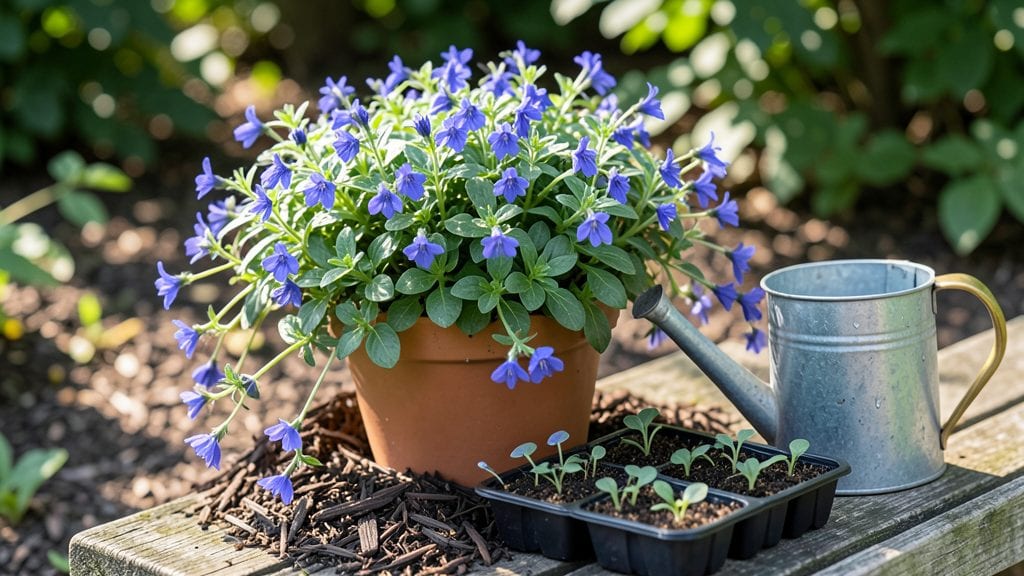
Growing blue seeds into a garden full of vibrant blooms is easier than you think—especially when you focus on the right varieties like cornflowers or poppies.
I’ve turned my spring garden into a sea of blue with just a few simple steps, and the secret isn’t complicated: it’s all about timing, soil, and a little patience.
Those tiny blue seeds pack a punch when given the right start, and within 60 days, you’ll have a garden that looks like a postcard.
The key is starting with seeds that thrive in your climate and soil type—most blue flowering seeds prefer well-draining soil and 6-8 hours of sunlight daily. You’ll need basic supplies: seed trays, a light potting mix, and a spray bottle for gentle watering.
The trick is keeping the soil moist but not soggy, which is where many beginners go wrong. Too much water drowns the seeds; too little stunts their growth. I’ve found that a 50/50 mix of peat moss and perlite keeps things just right.
By day 30, you’ll see those first true leaves pushing through the soil, and by day 60, you’ll be surrounded by lush blue blooms that attract bees and butterflies. The payoff is worth the wait—imagine stepping into a garden where every stem holds a burst of sky-blue color.
The best part? These plants are low-maintenance once established, so you’ll spend more time admiring them than fussing over them.
Works for balconies, window boxes, or full garden beds—just adjust spacing to give each plant room to breathe. If you’ve ever wanted a garden that feels like a dream, this is how you make it happen. Let’s get those seeds planted!
📚 In This Guide
- What you need
- Instructions
- Tips and common mistakes
- Wrapping up and next steps
What you need
- ● Blue seed packets – Choose heirloom or organic varieties (e.g., Borago officinalis for borage flowers or Centaurea cyanus for cornflowers). Start with 1–2 packets (50–100 seeds each) for a small garden.
- ● Growing containers or garden bed – Use: Pot size: 6+ inches deep for seedlings, 12+ inches for mature plants (or a raised bed).
- ● Drainage holes: Mandatory to prevent root rot.
- ● High-quality potting mix – Sterile, well-draining soil (e.g., Miracle-Gro Moisture Control or FoxFarm Ocean Forest). Avoid garden soil—it may contain pests or diseases.
- ○ Seeding tray or biodegradable pots – 2–4 inch cells for starting seeds indoors (optional if direct-sowing).
- ● Watering can or spray bottle – With a gentle mist nozzle for seedlings.
- ● Grow lights or sunny windowsill – 12–16 hours of light/day (LED grow lights work best for seedlings).
- ● Plant labels & marker – To track varieties (e.g., real wood labels or popsicle sticks).
- ● Seedling heat mat – Speeds up germination for slow starters (set to 70–75°F).
- ● Fertilizer – Balanced organic fertilizer (e.g., Fish emulsion 5-5-5) or compost tea for nutrient boosts.
- ● Mulch – Straw or shredded leaves to retain moisture and suppress weeds.
- ● Pruning shears – For deadheading spent blooms (encourages more flowers!).
- ● Garden gloves – Protects hands from prickly stems (e.g., cornflower).
- ● Bug spray (neem oil) – Organic pest control for aphids or caterpillars.
Step-by-step instructions for growing blue seeds into a thriving garden
Here’s how to turn those delicate blue seeds into a lush, productive garden in just 60 days.
Prepare the Soil and Planting Site
Blue seeds thrive in well-draining, nutrient-rich soil with a slightly acidic pH between 6.0 and 6.8. Start by loosening the top 6 inches of soil in your garden bed with a fork or tiller. Remove any weeds or debris—this prevents competition for nutrients and reduces the risk of disease.
Work in 2 cups of compost per 4 square feet of bed to enrich the soil naturally. If your soil is heavy clay or sandy, mix in 1 gallon of peat moss to improve moisture retention and structure. Blue seeds are sensitive to compacted soil, so avoid walking on the bed once you’ve prepared it.
Sow the Seeds at the Right Depth and Spacing
Scatter the blue seeds evenly across the prepared bed, spacing them 1 inch apart in rows that are 12 inches apart. Press them lightly into the soil—just enough to cover them with ¼ inch of fine soil or compost. This ensures they stay in place without being buried too deeply, which can delay germination.
Gently water the area with a fine spray nozzle until the soil is evenly moist but not soggy. Avoid using a heavy stream, as it can wash the seeds away. Place a small marker or row flag to track the planting location, especially if you’re growing multiple varieties.
Maintain Moisture and Provide Optimal Light
Keep the soil consistently moist for the first 30 days, watering every 2-3 days until the seeds sprout. Use a drip irrigation system or water early in the morning to reduce evaporation and fungal risks. Once the seedlings emerge—typically in 7-14 days—reduce watering slightly to prevent overcrowding and disease.
Blue seeds need full sun (6-8 hours daily) to thrive. If your garden receives less than 6 hours of direct sunlight, supplement with a grow light placed 6 inches above the plants for 12-14 hours a day. You’ll notice leggy, pale seedlings if light is insufficient—this is a clear sign to adjust their position.
Thin Seedlings and Encourage Strong Growth
When seedlings reach 2 inches tall, thin them to 6 inches apart to give each plant room to grow. Use scissors to snip unwanted seedlings at the base rather than pulling them—this prevents disturbing the roots of the remaining plants. Strong airflow between plants also reduces humidity-related diseases like powdery mildew.
Apply a balanced fertilizer (10-10-10) at half strength once the seedlings have 4-6 true leaves. This provides essential nutrients without overwhelming young roots. Monitor the plants for signs of nutrient deficiency, such as yellowing leaves, which may indicate a need for additional nitrogen or micronutrients.
Monitor and Harvest for Peak Flavor
Blue seeds mature quickly, so keep an eye out for first blooms around day 45. At this stage, reduce watering slightly to encourage flowering. Harvest the blooms or leaves in the early morning when they’re fully hydrated and flavors are most intense. Use clean scissors to cut stems just above a leaf node to promote bushier growth.
Continue harvesting every 3-5 days to stimulate ongoing production. If you notice any pests, such as aphids or spider mites, treat the plants immediately with neem oil or insecticidal soap. With proper care, your blue seed garden will remain productive for 60-90 days, depending on your climate and variety.
Tips & tricks for perfect blue seed garden growth
These simple yet powerful tricks will help you transform delicate blue seeds into a thriving garden without the guesswork.
Soil Preparation Secret: Before planting, test your soil's pH using a simple kit available at garden centers. Blue seeds prefer that slightly acidic range of 6.0-6.8, and adjusting with sulfur or lime before planting saves you from potential struggles later. I've seen seeds fail to thrive in soil that was just slightly off—don't skip this step if your soil tests outside the ideal range.
Watering Wisdom: The first 30 days are critical for moisture control. Use your finger to check soil moisture—it should feel like a damp sponge, not a wet sponge. Overwatering can cause seed rot, while underwatering prevents germination. I recommend setting a timer for your watering schedule to maintain consistency, especially if you're using a drip irrigation system.
Lighting Strategy: If you're supplementing with grow lights, position them just 6 inches above your seedlings and adjust as they grow. The 12-14 hours of light should be evenly distributed throughout the day. I've noticed that plants grown under grow lights develop stronger stems and more vibrant colors compared to those with insufficient light.
Harvesting Tip: Always harvest in the early morning when plants are fully hydrated and flavors are at their peak. Use clean, sharp scissors to cut stems just above a leaf node—this promotes bushier growth and prevents disease from entering the plant through torn stems. I've found that consistent morning harvesting extends the productive life of my blue seed plants by up to 20 days.
Pro Tips for Blue Seed Grow A Garden
- These simple yet powerful tricks will help you transform delicate blue seeds into a thriving garden without the guesswork.
- Soil Preparation Secret: Before planting, test your soil's pH using a simple kit available at garden centers.
- Watering Wisdom: The first 30 days are critical for moisture control.
Frequently asked questions
Got questions about growing blue seeds into a lush garden? You’re not alone—here are answers to the most common ones to help you get started with confidence!
What’s the best time of year to plant blue seed for a garden?
For most blue seed varieties (like Phacelia campanularia or Lobelia), aim for early spring after the last frost or late summer for fall blooms. Check your USDA hardiness zone—cooler climates (Zones 3-5) may need a 4-6 week indoor start for warmth-loving types like Borage.
How often should I water blue seed plants once they’re established?
Once seedlings sprout, keep soil consistently moist but not soggy (about 1 inch of water per week). Mature plants usually need watering 2-3 times weekly during dry spells, but drought-tolerant varieties like Blue Flax can thrive with less. Always water at the base to avoid fungal issues.
Can I grow blue seeds in containers, or do they need a full garden bed?
Many blue seeds (e.g., Lobelia, Bacopa) thrive in 5-7 inch deep containers with drainage holes. Use well-draining potting mix and place pots in full sun to partial shade. Just ensure containers are large enough—Borage needs at least 12 inches of depth to sprawl happily.
Why aren’t my blue seed plants germinating? Troubleshooting tips?
Try these fixes if seeds aren’t sprouting:
- Temperature: Most blue seeds need 60–75°F soil temps. Use a heat mat if your space is chilly.
- Light: Place trays near a sunny window or under grow lights (12–16 hours/day).
- Moisture: Keep soil damp (not wet) with a spray bottle—overwatering can suffocate seeds.
- Freshness: Old seeds (over 1 year) may need scarification (lightly sandpaper the shell) or stratification (cold treatment).
What companion plants pair well with blue seed flowers for a vibrant garden?
Blue seeds like Lobelia and Salvia pair beautifully with:
- Yellows/Whites: Coreopsis or Marigolds (bright contrast).
- Purples: Lavender or Catmint (echos cottage-garden charm).
- Greens: Ferns or Hostas (softens bold blues).
Wrapping up and next steps
Growing blue seed into a thriving garden is a rewarding journey that blends patience, care, and a touch of creativity! 🌱 From selecting the right soil to nurturing your seedlings, every step brings you closer to a vibrant harvest.
Whether you're a beginner or a seasoned gardener, the key is consistency—watering wisely, providing sunlight, and troubleshooting early.
Now that you’re armed with tips and tricks, take the next step! Start small with a few seeds, experiment with different varieties, and watch your green thumb flourish. Happy planting—your garden awaits! 🌿✨