Picking
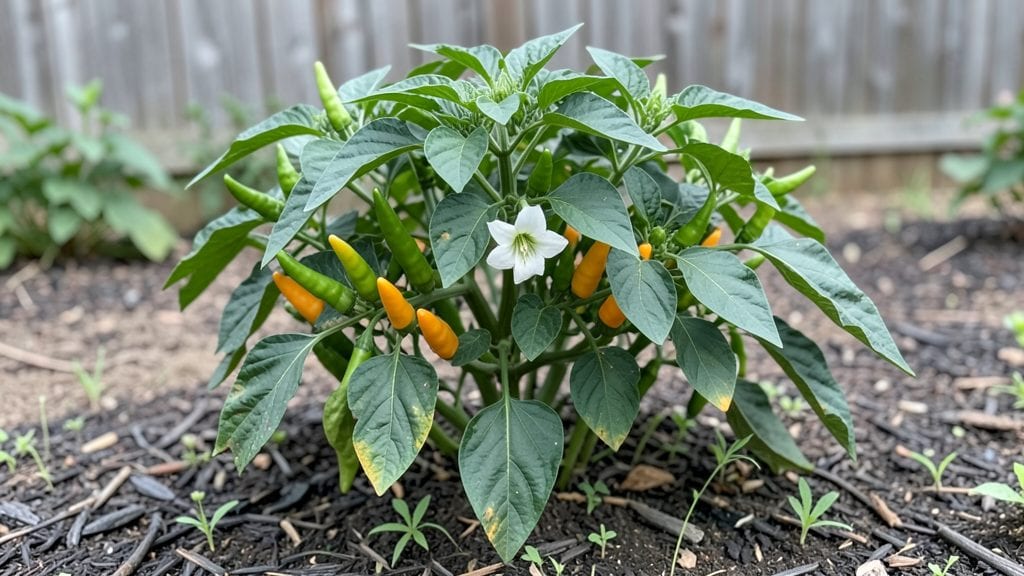
Growing cayenne peppers from seed to fiery harvest is the ultimate test of patience and precision—those tiny seeds pack a punch that transforms your garden into a spice factory. 🌱 I’ve grown cayennes for years, and the key isn’t just heat tolerance (they thrive in 80°F+ soil) but mastering the balance of sunlight, water, and soil fertility to coax out those signature thin, glossy peppers.
The first year, I nearly gave up when my plants bolted early—until I adjusted my watering and added a little compost tea. Now, I get bushels of peppers that dry into the kind of cayenne flakes that make your eyes water just opening the jar.
You’ll need a spot with at least 6-8 hours of direct sun (more if you’re in a cooler zone), well-draining soil with a pH between 6.0 and 7.0, and a way to keep moisture consistent without drowning the roots.
Cayennes are finicky about water—too much and they crack, too little and they shut down. Start seeds indoors 8-10 weeks before your last frost, or buy sturdy transplants from a nursery that specializes in peppers.
The secret weapon? A balanced fertilizer (like 10-10-10) applied every 4-6 weeks once flowers appear, and a cage or stake to support those top-heavy plants before they snap under their own weight.
By midsummer, you’ll be harvesting peppers that start green and ripen to red, yellow, or orange—each one packing 30,000-50,000 Scoville heat units.
The real magic happens when you dry or freeze them: the heat intensifies as they mature, and you’ll have enough to spice up everything from homemade hot sauce to winter stews. Just watch for aphids (they love pepper leaves) and blossom end rot (calcium deficiency), and you’re golden.
This isn’t just gardening—it’s building a spice legacy, one fiery pepper at a time.
Whether you’re growing in containers on a balcony or full sun in the backyard, cayennes adapt surprisingly well—though they will test your heat tolerance too. The first harvest might be small, but once you crack the code, you’ll wonder why you ever bought store-bought flakes.
Let’s get those seeds started—your taste buds (and your neighbors) will thank you.
📚 In This Guide
- What you need
- Instructions
- Tips and common mistakes
- Wrapping up and next steps
What you need
- ● Cayenne pepper seeds: Start with Capsicum annuum varieties like 'Cayenne Long Slim' or 'Mad Dog' (5–10 seeds per plant; 3–5 plants for a good harvest).
- ● Containers or garden bed: Containers: 5–12" deep pots (1–2 plants per 5-gallon container). Use well-draining pots with drainage holes.
- ● Garden bed: Full sun (6–8+ hours daily), loose, well-draining soil (pH 6.0–6.8). Amend clay soil with compost or sand.
- ● Potting mix: High-quality, sterile mix (e.g., Miracle-Gro Potting Mix) or a blend of 60% compost, 30% coconut coir, and 10% perlite for DIY.
- ● Fertilizer: Balanced, water-soluble fertilizer (e.g., 10-10-10) for seedlings.
- ● Low-nitrogen, high-phosphorus fertilizer (e.g., 5-10-10) once flowering begins.
- ● Watering can or hose with a gentle spray nozzle: Cayennes hate soggy roots—water at the soil base, not the leaves.
- ○ Stakes or cages (optional but recommended): Tall varieties (like 'Mad Dog') may need support (3–4 ft stakes or tomato cages).
- ● Gloves: Protect your hands from spicy oils (nitrile gloves work best!).
- ● Pruning shears: For trimming leggy plants or removing suckers (sterilize with rubbing alcohol).
- ● Row covers or shade cloth (30–50% coverage): Protect seedlings from pests or provide shade in scorching climates.
- ● pH testing kit: Ensure soil pH stays in the ideal range (6.0–6.8).
- ● Mulch (straw or pine needles): Retains moisture and regulates soil temperature.
- ● Harvesting scissors or knife: Sharp tools prevent bruising and disease.
- ○ Drying rack or dehydrator: For preserving your cayenne harvest (optional but fun!).
- ● Last frost date: Cayennes are warm-season plants—wait until soil is at least 60°F (15°C) before planting.
- ● Hardiness zone: Zones 9–11 can grow cayennes year-round; zones 3–8 should start indoors 8–12 weeks before the last frost.
- ● Sunlight: Full sun (6+ hours daily) is non-negotiable for heat production!
- ● Water consistency: Keep soil evenly moist but not waterlogged (1–1.5 inches per week).
Step-by-Step instructions for growing cayenne peppers
Here’s how to grow fiery cayenne peppers from seed to harvest—no shortcuts, just reliable heat.
🌱 Step 1: Start Seeds Indoors 8-10 Weeks Before Last Frost
Fill 2-3 inch deep seedling trays with the sterile seed-starting mix and moisten it until damp but not soggy. Cayenne seeds need warmth to germinate, so place the tray on a seedling heat mat set to 75-85°F. Press one seed ¼ inch deep into each cell—too deep delays germination.
Cover the tray with a clear plastic dome or plastic wrap to retain moisture and warmth. Check daily for condensation; if the dome fogs up, lift it briefly to let excess humidity escape. Germination takes 7-14 days, depending on your home’s warmth. You’ll know it’s working when tiny green sprouts push through the soil.
☀️ Step 2: Provide Bright Light and Prevent Leggy Growth
Once seedlings emerge, remove the dome immediately to prevent damping-off (a fungal disease that collapses stems overnight). Move them under a grow light positioned 2-3 inches above the plants. Cayennes need 14-16 hours of light daily—without it, they stretch toward the light with weak, spindly stems.
Rotate the tray a quarter turn daily so seedlings grow straight, not lopsided. When the first true leaves (not the initial seed leaves) appear, fertilize lightly with half-strength liquid fertilizer. Over-fertilizing now burns tender roots. You’ll see strong, dark green leaves in 3-4 weeks—that’s your sign to harden them off.
🪴 Step 3: Transplant Outdoors After All Frost Risk Passes
Choose a sunny spot with 6-8 hours of direct sun daily—cayennes crave heat and won’t ripen in shade. Amend the soil with compost to improve drainage, since cayennes hate soggy roots. Transplant seedlings 12-18 inches apart in rows 2 feet apart to allow airflow and reduce disease.
Water deeply at the base after transplanting to settle the soil. Avoid wetting leaves, which invites fungal diseases like powdery mildew. Mulch around plants with straw to retain moisture and suppress weeds. In 2-3 weeks, you’ll see new growth—proof the plants have rooted and are thriving.
✂️ Step 4: Prune and Support for Maximum Heat
When plants reach 18-24 inches tall, pinch off the first few flowers to encourage bushier growth. Cayennes benefit from caging or staking—their slender stems can snap under ripe peppers. Tie main stems to supports with soft plant ties as they grow. Prune suckers (side shoots in the leaf axils) to direct energy into fruit production.
Fertilize every 3-4 weeks with balanced fertilizer once flowering begins. Too much nitrogen makes plants leafy but fruitless. Watch for reddish peppers turning yellow—this means they’re overripe. Harvest when peppers are fully red and firm for maximum heat. You’ll get 4-6 weeks of harvests per plant if you keep up with pruning and watering.
💧 Step 5: Water and Harvest for Peak Flavor
Water cayennes at the base 1 inch per week, letting the soil dry slightly between waterings. Drip irrigation or soaker hoses keep leaves dry and prevent blight. If peppers crack or turn bitter, you’re overwatering or inconsistent. Harvest regularly—peppers left too long on the plant lose heat and flavor.
Store ripe cayennes in a cool, dry place or dry them whole in the sun for powdered flakes. Freeze extras in oil for quick cooking. With proper care, you’ll harvest 30-50 peppers per plant—enough to spice up everything from salsas to sauces. Save seeds from your best peppers for next year’s even hotter crop!
Tips & tricks for growing cayenne peppers
Growing cayenne peppers takes patience, but these tricks will help you avoid common pitfalls and maximize your fiery harvest.
Germination Warmth: Don't underestimate the importance of that 75-85°F heat mat during Step 1. I've seen seeds fail to germinate when placed on kitchen counters (which are often 65-70°F). If you don't have a heat mat, try placing your seed tray on top of your fridge—it generates just enough warmth. The difference between 75°F and room temperature can mean the difference between sprouts and disappointment.
Lighting Strategy: In Step 2, those crucial 14-16 hours of light are non-negotiable. I learned this the hard way when my seedlings stretched toward the window like they were auditioning for a ballet. If you don't have grow lights, position your seedlings within 6 inches of a south-facing window. Rotate them daily as instructed, but also consider getting a simple LED grow bulb for your regular light fixture—it's a game-changer for indoor growing.
Transplant Timing: When transplanting in Step 3, the 2-3 week wait for new growth is your green light that they've rooted properly. Here's what nobody tells you—if your seedlings look stressed after transplanting (yellowing leaves, wilting), they're telling you they need more time to adjust. Don't rush! Give them a week of gentle care before expecting rapid growth. The extra patience pays off with stronger plants that can handle the heat (literally).
Pruning Payoff: I skipped pruning for years and wondered why my cayennes produced so few peppers. In Step 4, when your plants reach 18-24 inches, those first few flowers might look tempting to leave, but pinch them off. This might seem counterintuitive, but it redirects the plant's energy into developing a stronger structure that will support more peppers later. Trust me on this—your future harvest will thank you.
Pro Tips for Cayenne Pepper Gardening
- Growing cayenne peppers takes patience, but these tricks will help you avoid common pitfalls and maximize your fiery harvest.
- Germination Warmth: Don't underestimate the importance of that 75-85°F heat mat during Step 1.
- Lighting Strategy: In Step 2, those crucial 14-16 hours of light are non-negotiable.
Frequently asked questions
When is the best time to plant cayenne pepper seeds?
Cayenne peppers thrive in warm soil—wait until after the last frost when nighttime temps stay above 60°F (15°C). Start seeds indoors 8–10 weeks before the last frost, or sow directly in the ground once soil reaches 70°F (21°C). Patience pays off—rushing can stunt growth!
How long does it take for cayenne peppers to mature?
From seed to harvest, cayenne peppers typically take 75–90 days. Count from the first true leaves (not seedlings!) to enjoy fiery red peppers. For faster results, opt for transplants (60–75 days to harvest). Keep an eye on the calendar—late plantings may not ripen before frost!
Why aren’t my cayenne peppers turning red?
Red ripening requires full sun (6+ hours/day), consistent warmth (70°F+), and proper nutrition. Yellow or green peppers? Check for:
- Insufficient sunlight (move to sunnier spot or extend with grow lights).
- Cool nights (use row covers or a greenhouse).
- Nitrogen-heavy fertilizer (switch to low-N, high-P/K blend).
What pests or diseases should I watch for?
Cayenne peppers attract aphids, spider mites, and hornworms. Preventative tips:
- Spray neem oil weekly for pests.
- Remove damaged leaves to stop fungal spread.
- Rotate crops yearly to avoid soil-borne diseases.
Can I grow cayenne peppers in containers?
Use a 5-gallon+ pot with drainage holes, filled with well-draining potting mix. Place containers in full sun, water consistently, and fertilize every 2–3 weeks. Dwarf varieties (like ‘TAM Mild’) thrive in containers—just ensure they get enough space to spread!
Wrapping up and next steps
Growing your own cayenne peppers is a rewarding journey that brings bold flavors and fiery satisfaction to your kitchen! 🌶️ With the right location, soil, and care, you’ll harvest vibrant peppers packed with capsaicin—perfect for spicing up dishes or sharing with fellow pepper enthusiasts.
Whether you’re a beginner or seasoned gardener, every seed planted is a step toward self-sufficiency and culinary creativity.
Ready to take the next step? Start by saving seeds from your best peppers or experiment with new varieties. Then, plan your next harvest—maybe even try growing other heat-loving plants like jalapeños or habaneros! The garden (and your taste buds) will thank you.