
Companion Plants
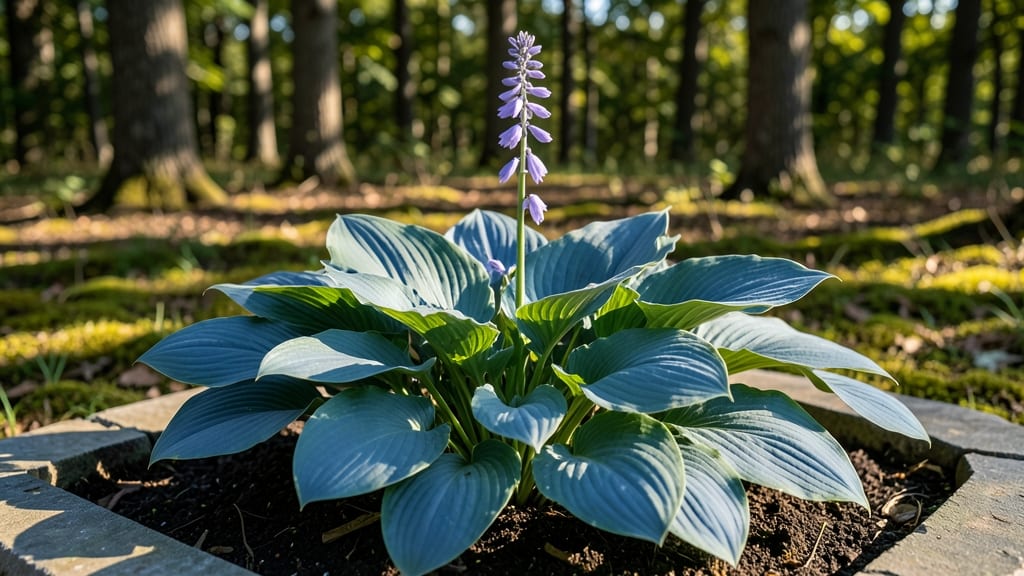
Shaded garden plants don’t mean sacrificing color or texture—my darkest corner now bursts with ferns, hostas, and impatiens that thrive where others fail. The key isn’t struggling with sun-loving plants; it’s choosing the right shade-tolerant stars for your space.
I learned this after my first attempt with petunias turned into a sad, yellowing mess within weeks. Now, my garden stays lush and vibrant year-round, proving shade can be just as dramatic as full sun.
Start with the basics: three layers of plants—tall, medium, and ground cover—to create depth and movement. Hostas and astilbes handle dappled light beautifully, while ferns and lungwort add texture in deeper shade.
Mulch heavily to keep roots cool and retain moisture, since shaded soil dries out slower but still needs consistent care. This setup works in everything from woodland gardens to city patios with afternoon shade.
You’ll end up with a space that feels alive, not abandoned. The velvety leaves of heuchera glow in filtered light, while impatiens and bleeding hearts explode with color where nothing else grows.
Even in July, when other gardens wilt, mine stays cool and thriving—no wilting, no browning, just steady, reliable growth. The secret? Matching plants to their natural light preferences and giving them the right conditions.
This approach works for any shaded spot, whether it’s a north-facing yard, a tree’s dappled shadow, or a balcony with afternoon sun blocked. The same principles apply—just swap plants for your climate zone. Let’s bring your shady spots to life without compromise.
📚 In This Guide
- What you need
- Instructions
- Tips and common mistakes
- Wrapping up and next steps
What you need
- ● Shade-tolerant plants: 5–10 varieties (e.g., hostas, ferns, impatiens, astilbes, or heucheras). Choose based on your shade level (deep, partial, or dappled).
- ● Quality potting soil: 1–2 bags (moisture-retentive, well-draining mix like Miracle-Gro Shade Mix or FoxFarm Ocean Forest).
- ● Organic mulch: 2–3 cubic feet (shredded bark, pine needles, or leaf mold to retain moisture and suppress weeds).
- ● Slow-release fertilizer: 1–2 bags (balanced 10-10-10 or organic options like Fish Emulsion).
- ● Watering can or hose with a gentle nozzle: 1 (for precise hydration without disturbing soil).
- ● Garden trowel or hand shovel: 1 (for planting and soil prep).
- ● Pruners (bypass or anvil): 1 (for trimming dead foliage or shaping plants).
- ● Garden gloves: 1 pair (to protect hands from thorns or rough textures).
- ● Measuring tape or ruler: 1 (to space plants correctly—check tags for mature size!).
- ○ Garden kneeler or pad: 1 (optional but highly recommended for comfort!).
- ● Shade cloth: 1–2 rolls (if your area gets too much light; use 30–50% blockage).
- ● Self-watering planters: 1–3 (for container gardening with less maintenance).
- ● Decorative stones or pebbles: 1 bag (for pathways or aesthetic borders).
- ● Plant labels: 10+ (wooden or metal stakes to track varieties).
- ● Compost or worm castings: 1 bag (to boost soil health naturally).
Step-by-Step guide to creating a thriving shaded garden
Transform even the darkest corners into a vibrant retreat with these light-loving plants.
Assess Your Shade Conditions
First, identify your shade type—this determines which plants will thrive. Walk through your space at different times of day to note how much light reaches each area. Deep shade (less than 3 hours of sunlight) suits ferns, hostas, and astilbes, while partial shade (3-6 hours of sunlight) supports impatiens, fuchsias, and hydrangeas. I always mark spots with a garden flag to track light exposure throughout the day.
Pay attention to seasonal changes—what’s deep shade in summer may get more light in winter. If your area gets dappled light, choose plants that tolerate shifting shadows, like Japanese painted ferns or lungwort. Avoid placing sun-loving plants like sunflowers or lavender in these spots—they’ll quickly wilt and fail to bloom.
Prepare the Soil for Shade-Loving Plants
Shade gardens need rich, well-draining soil that retains moisture without becoming waterlogged. Amend your existing soil with 2-3 inches of compost and a handful of peat moss to improve texture and drainage. I dig in the compost first, then mix in the peat moss—this prevents clumping and ensures roots can spread easily. Test your soil’s moisture by squeezing a handful; it should hold shape but not feel soggy.
For containers, use a 50/50 mix of potting soil and compost to mimic the nutrient-rich conditions shade plants crave. Avoid heavy garden soil in pots—it compacts and suffocates roots. Water the mix thoroughly before planting to settle it and eliminate air pockets. If your soil drains poorly, add a layer of perlite or coarse sand at the bottom of containers to create a drainage layer.
Select and Plant the Right Shade-Tolerant Species
Choose plants based on your shade assessment and the 4 servings you’re creating. For deep shade, opt for hostas, ferns, or astilbes, while partial shade thrives with impatiens, fuchsias, or hydrangeas. Dig holes twice as wide as the root ball but only as deep as the container’s base—planting too deep can suffocate roots. Gently remove the plant from its container, loosen any circling roots, and place it in the hole.
Backfill with soil, firming it lightly around the base to eliminate air gaps. Water deeply to settle the soil and encourage root contact. I always add a 1-inch layer of mulch (like shredded bark) around the base to retain moisture and suppress weeds. Keep mulch 2-3 inches away from the stem to prevent rot. Space plants according to their mature size—crowding leads to competition for light and nutrients.
Maintain Moisture and Fertility in Low-Light Conditions
Shade gardens stay moist longer, so water 1-2 times per week, depending on rainfall. Check the soil 1 inch below the surface—if it’s dry, it’s time to water. Use a soaker hose or drip irrigation to deliver moisture slowly and evenly, avoiding wet foliage that invites fungal diseases. Early morning watering prevents evening dampness, which can lead to mildew on leaves.
Feed shade plants with a balanced, slow-release fertilizer (like 10-10-10) in early spring and again in midsummer. I avoid high-nitrogen fertilizers—they encourage leafy growth at the expense of blooms. Instead, I opt for a low-nitrogen, high-phosphorus formula to promote flowering in partial shade plants. Deadhead spent blooms regularly to encourage continuous flowering and maintain a tidy appearance.
Monitor and Adjust for Seasonal Changes
As seasons shift, so does light exposure. In late summer, prune leggy growth on plants like fuchsias or impatiens to encourage bushier, more compact habits. Watch for signs of stress—yellowing leaves often signal overwatering, while crispy edges mean the plant needs more moisture. I adjust my care routine based on what I observe: if hostas develop brown spots, I increase airflow around them by thinning nearby plants.
In fall, cut back dead foliage but leave seed heads for winter interest—many shade plants, like astilbes, provide texture and color even after blooming. Add a 2-inch layer of mulch in late fall to insulate roots and protect them from freezing temperatures. If you’re in a mild climate, shade gardens can stay productive year-round with minimal adjustments. For colder regions, consider overwintering tender plants like fuchsias in containers and moving them indoors.
Tips & tricks for perfect shaded garden blooms
Creating a thriving shaded garden takes more than just picking the right plants—it's about understanding their unique needs. Here are the insights I've gathered from years of working with low-light spaces that will help your garden flourish.
Light Assessment Matters: In Step 1, when determining your shade type, I can't stress enough how critical this is. Use a simple test: place a white piece of paper in different spots throughout the day. If you can't see distinct shadows after 3 hours, you're dealing with deep shade. For partial shade areas (3-6 hours), mark the sunniest spot with a flag—this is where you'll want to place your more demanding plants like fuchsias. Remember, what looks like deep shade in summer might become partial shade in winter when trees lose their leaves.
Soil Preparation is Key: When preparing your soil in Step 2, don't just eyeball the compost and peat moss measurements. Use a straight-edged spade to create clean 2-3 inch layers of compost first, then mix in the peat moss. This layered approach prevents clumping better than simply mixing them together. For containers, I recommend pre-moistening your 50/50 potting soil and compost mix before planting—this helps eliminate air pockets that can suffocate young roots. Pro tip: If your soil drains too quickly, mix in a bit of coconut coir instead of perlite—it holds more moisture while still providing good aeration.
Planting Technique for Success: In Step 3, when planting your shade-loving species, pay special attention to the root ball. Gently tease apart any circling roots before placing them in the hole—this encourages outward growth rather than a root-bound clump. After backfilling, press the soil firmly around the base with your hands, but don't compact it too much. Think of it like making a cozy nest for your plant's roots. And remember, that 1-inch layer of mulch isn't just for looks—it's a moisture barrier that can reduce watering needs by up to 30%.
Seasonal Care Adjustments: Step 5 mentions seasonal changes, but I want to emphasize how critical this is. In late summer, when pruning leggy growth, cut back to just above a leaf node where new growth can emerge. For winter prep, consider adding a layer of evergreen boughs over your mulch in freezing climates—they act as natural insulation. And if you're overwintering container plants indoors, place them near a bright window but keep them away from heat sources that cause temperature fluctuations.
Pro Tips for Shaded Garden Plants
- Creating a thriving shaded garden takes more than just picking the right plants—it's about understanding their unique needs.
- Light Assessment Matters: In Step 1, when determining your shade type, I can't stress enough how critical this is.
- Soil Preparation is Key: When preparing your soil in Step 2, don't just eyeball the compost and peat moss measurements.
Frequently asked questions
What are the best fast-growing shaded garden plants for quick results?
If you’re eager to see greenery fast, opt for Hosta, Astilbe, or Ferns—they establish quickly and thrive in shade. For color, Impatiens or Begonias bloom within weeks! Just ensure your soil is well-draining to avoid root rot.
When is the best time to plant shade-loving plants?
Spring and early fall are ideal! Plant in spring after the last frost (when soil is workable) or in early fall (6-8 weeks before frost) to give roots time to settle. Avoid summer heat, which stresses young plants.
How do I keep shaded plants from getting leggy or sparse?
Leggy growth often means your plants need more light or nutrients. Prune leggy stems to encourage bushier growth, and use a balanced fertilizer (like 10-10-10) in spring. Also, mulch to retain moisture—dry soil can stress plants in shade.
Can I grow vegetables in a shaded garden?
Try Leafy greens (lettuce, spinach, kale), Radishes, or Bush beans—they tolerate partial shade. Avoid heavy feeders like tomatoes or peppers. Use containers for mobility if sunlight shifts throughout the day.
Why are my shaded plants turning yellow, and how do I fix it?
Yellow leaves usually signal overwatering, nutrient deficiency, or poor drainage. Check soil moisture (it should be damp, not soggy), amend with compost, and ensure pots/containers have drainage holes. Yellowing on older leaves? It’s often normal aging—focus on new growth.
Wrapping up and next steps
Creating a lush, shaded garden is absolutely achievable—you just need the right plants and a little creativity! 🌿 From hostas and heucheras to ferns and astilbes, these low-light stars will transform even the darkest corners into vibrant, thriving spaces.
Remember, layering textures and colors keeps things dynamic, while mulching and proper watering ensures long-term success.
Ready to bring your shaded garden to life? Start small—pick one or two plants from this guide, test them out, and expand as you gain confidence. Happy gardening! 🌱✨