
Planting
Cincinnati gardening falls under USDA Plant Hardiness Zones 5b to 6a, with average minimum temperatures between -15°F and -5°F (-26°C to -21°C), shaping its ideal plant selection for both perennials and seasonal crops.
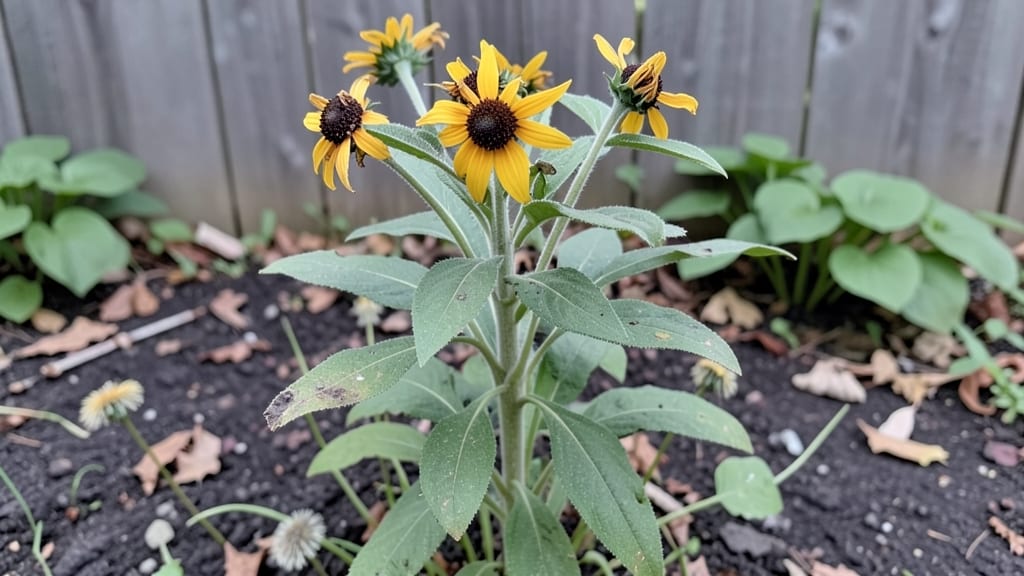
Understanding Cincinnati’s gardening zone helps you choose plants that thrive year-round. The 5b-6a range means you can grow hardy perennials like black-eyed Susans and coneflowers, while seasonal crops like kale and broccoli flourish in the cooler months.
Microclimates—like urban heat islands—can shift temperatures slightly, so checking your exact zone via the USDA’s interactive map ensures precision. This knowledge directly impacts plant survival rates and reduces trial-and-error gardening. 🌱
For example, oak trees and maples are excellent choices for Cincinnati’s climate, while tomatoes and peppers need careful timing to avoid frost damage. The key is aligning plant hardiness ratings with your zone’s extremes, ensuring your garden stays vibrant from spring to fall.
Start by testing your soil and adjusting mulch levels to protect roots during cold snaps.
💡 In This Article
- USDA Zone 5b-6a Climate Breakdown for Cincinnati Gardens
- Top Cold-Hardy Plants Thriving in Cincinnati Gardens
USDA zone 5b-6a climate breakdown for Cincinnati gardens
Cincinnati’s climate is defined by distinct seasonal temperature swings, with the USDA’s Zone 5b-6a classification reflecting its cold winters and moderate summers.
The average last spring frost typically occurs around April 15th, while the first fall frost arrives by October 15th, leaving roughly 180 frost-free days for growing seasonal crops.
These dates create a 160-180 day growing season, which is perfect for cool-season vegetables like kale and broccoli but requires careful planning for warm-season plants like tomatoes. 🌿
The temperature extremes are what truly shape plant survival here. Zone 5b experiences -15°F to -10°F (-26°C to -23°C) average minimums, while Zone 6a sees -5°F to 0°F (-21°C to -18°C).
This means perennials must withstand sub-zero temperatures, while annuals need to be planted after the last frost or started indoors. The urban heat island effect in downtown areas can raise temperatures by 2-5°F compared to rural areas, creating microclimates where some plants thrive in spots where they’d otherwise struggle.
For example, a garden in Hyde Park might support slightly tender plants like lavender that would fail in a colder suburb.
To verify your exact zone, use the USDA’s interactive Plant Hardiness Zone Map (available at planthardiness.ars.usda.gov). Enter your precise address to see your 10-year average minimum temperature and any microclimate adjustments.
This tool also shows historical data, helping you understand long-term trends like the gradual warming Cincinnati has experienced over the past 30 years. For instance, the average last frost date has shifted 3-5 days earlier per decade, extending the growing season by about 1-2 weeks since the 1980s. 🌡️
Seasonal shifts matter just as much as extremes. Cincinnati’s summers reach 85-90°F (29-32°C) averages, but humidity levels often exceed 70%, creating stress for plants not adapted to both heat and moisture. This is why native perennials like black-eyed Susans and coneflowers thrive—they’ve evolved to handle these conditions.
Meanwhile, the transition periods (spring and fall) are critical: a late frost in May can devastate tender plants, while an early frost in September can cut short harvests. Gardeners often use row covers or cold frames to extend these vulnerable windows by 2-4 weeks.
Soil temperature plays a hidden but crucial role. Cincinnati’s clay-heavy soils warm slowly in spring, often staying 50°F (10°C) or below until late April or early May. This delays planting for warm-season crops until May 15th or later.
To compensate, gardeners use black plastic mulch or straw blankets, which can raise soil temperatures by 5-10°F and accelerate seed germination. The combination of air temperature, soil temperature, and moisture levels creates a complex puzzle that explains why some gardens flourish while others struggle just blocks away. 🌱
What most gardeners don’t realize is how wind patterns affect frost risk. Cincinnati’s location in the Ohio River Valley funnels cold air from Canada, but urban buildings can disrupt these flows, creating pockets where frost lingers longer.
This is why south-facing walls or fences can protect plants from 2-3°F colder nighttime temperatures. Testing your microclimate by planting a frost-sensitive crop like basil in different spots can reveal these variations—sometimes the difference between success and failure in your garden. 💫