Planting
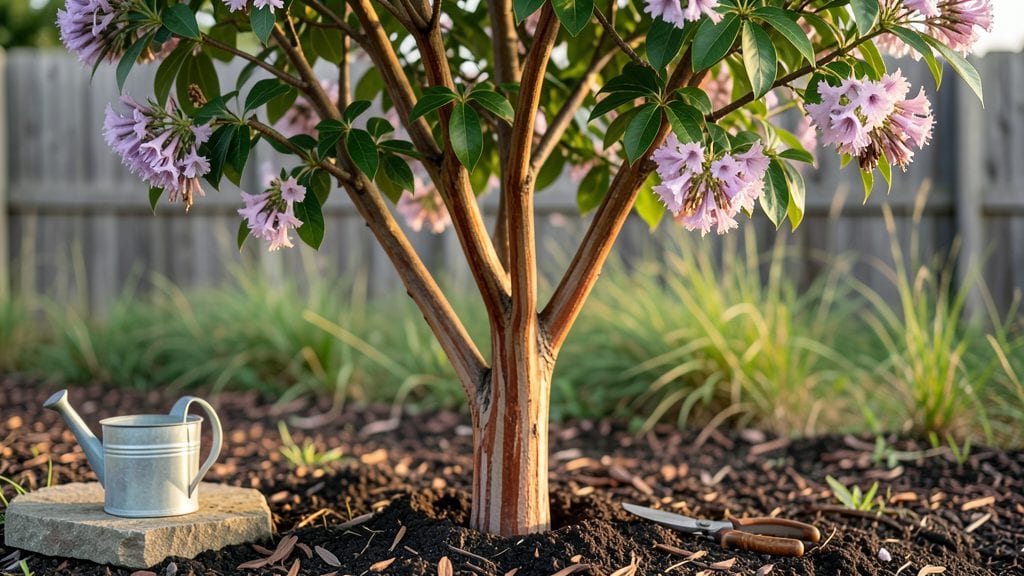
Gardening in Zone 8 lets you grow frost-sensitive crops like tomatoes, peppers, and citrus year-round thanks to its mild winters and long frost-free window. Last frosts typically occur between mid-March and early April, while first frosts usually arrive in late October or November. Timing your plantings around these dates gives you the best chance for bountiful harvests and healthy growth.
Zone 8's extended growing season isn't just about timing—it's about leveraging the region's unique climate patterns. 🌱 The mild winters allow for winter gardening of hardy greens like kale and spinach, while summer heat waves can be managed with shade cloth or afternoon watering.
Southern California's Mediterranean climate differs from Georgia's humid subtropical conditions, so local microclimates play a huge role in what thrives where. I've seen citrus trees flourish in coastal areas that would struggle inland, proving how critical it is to match plants to your specific microclimate's nuances.
This zone's flexibility means you can experiment with unusual crops like artichokes or figs that would fail in colder regions. The key is monitoring soil temperatures—cool-season crops need 40-50°F soil to germinate, while warm-season plants thrive at 60°F or higher.
Using a soil thermometer takes the guesswork out of timing, ensuring your plants get off to the right start every season.
💡 In This Article
- Understanding Zone 8 Climate and Microclimates
- Zone 8 Planting Calendar by Season
Understanding Zone 8 climate and microclimates
Zone 8's extended growing season stems from its mild winter temperatures, typically ranging from 20-30°F in the coldest months. This warmth allows frost-sensitive plants to survive winters that would kill them in colder zones.
The USDA defines Zone 8 as areas with average annual minimum temperatures between 10-20°F, creating a buffer where citrus, olives, and even some tropicals can thrive with proper care. This extended frost-free period—often 240-300 days—transforms gardening from seasonal to nearly year-round.
Microclimates within Zone 8 create dramatic variations in plant hardiness. Urban areas experience heat islands where pavement and buildings trap warmth, raising temperatures by 5-10°F compared to rural zones.
Slopes facing south receive 20-30% more sunlight than north-facing areas, while water bodies moderate temperatures—coastal regions stay 5-15°F warmer in winter and cooler in summer. These microclimates explain why a garden in Los Angeles might grow avocados while one in Atlanta struggles with the same plant due to humidity differences.
The science behind this involves albedo effects (how surfaces reflect sunlight) and heat capacity of materials. Dark asphalt absorbs heat during the day and releases it at night, while vegetation releases moisture through transpiration, creating cooler microclimates.
Gardeners can exploit this by planting heat-loving crops like eggplants on south-facing slopes or using windbreaks near water features to protect tender plants. The key is observing your specific microclimate's patterns over 2-3 years to identify its unique growing characteristics.
Regional differences within Zone 8 highlight how location matters. Southern California's Mediterranean climate features dry summers and wet winters, ideal for drought-tolerant plants like lavender and rosemary. In contrast, Georgia's humid subtropical climate demands more moisture-loving crops like okra and sweet potatoes.
The 100-day growing window difference between these regions means a coastal California garden might support three tomato harvests where a Georgia garden might manage two. This variation explains why plant selection should consider not just zone numbers but also local weather patterns.
What most gardeners don't realize is how soil temperature plays a bigger role than air temperature. Cool-season crops like broccoli need soil temps of 40-50°F to germinate, while warm-season crops like cucumbers require 60°F+.
Using a soil thermometer reveals when your microclimate is truly ready for planting—often 2-3 weeks earlier than air temperature would suggest. This precision timing maximizes your growing season by 10-15%, turning Zone 8's potential into actual harvests.
Consider these microclimate factors when choosing plants:
- Urban areas: Opt for heat-tolerant varieties like 'Black Krim' tomatoes that thrive in 90°F+ temperatures
- Coastal regions: Select salt-tolerant plants like sea grapes or dune sunflowers that handle 3000+ ppm salinity
- Inland valleys: Focus on drought-resistant plants with deep root systems like artichokes or cardoons
The most successful Zone 8 gardeners treat their space like a climate puzzle, matching plants to microclimates rather than assuming one-size-fits-all solutions. This approach turns Zone 8's natural advantages into customized growing success that outperforms generic zone recommendations. 🌿