Watering
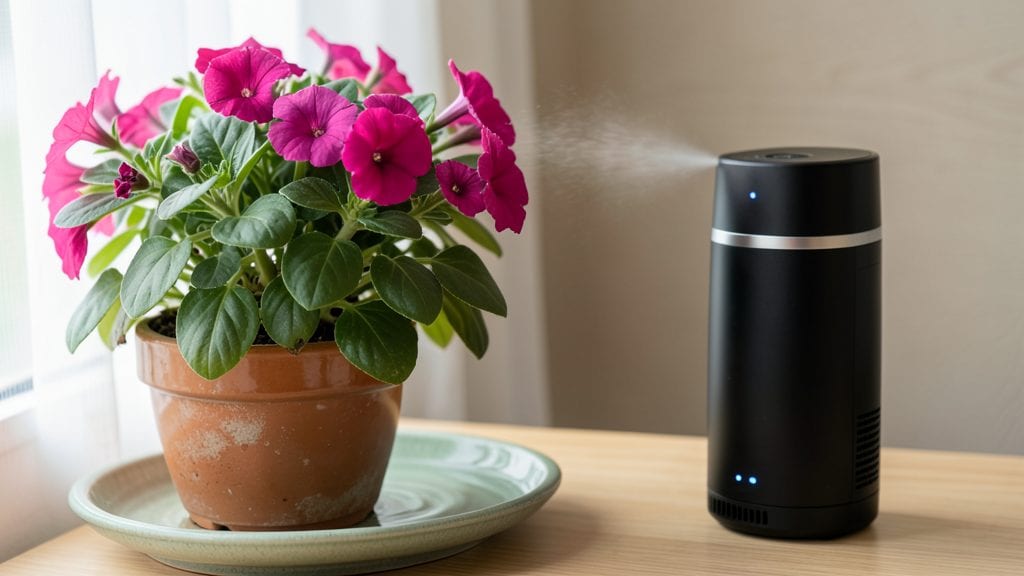
A cool mist garden system maintains perfect humidity levels for thriving plants by dispersing ultra-fine water droplets that replicate morning dew, keeping foliage hydrated without drowning roots or promoting mold growth.
A cool mist garden doesn't just water—it transforms your growing space into a self-regulating ecosystem. 🌿 The ultrasonic technology breaks water into microscopic particles (smaller than traditional misting systems), creating a gentle, even moisture distribution that tropical plants crave while succulents can safely tolerate.
This precision prevents the common pitfalls of overwatering or stagnant moisture that breeds fungus, making it ideal for both beginner growers and seasoned plant parents alike.
What sets these systems apart is their ability to maintain consistent humidity levels—something that's especially valuable in dry climates or during winter when indoor air becomes bone-dry. 💫 Unlike simple spray bottles or foggers, cool mist gardens integrate seamlessly into your plant care routine, often with adjustable settings to match different species' needs from 30% to 90% humidity.
💡 In This Article
- How Cool Mist Systems Mimic Natural Humidity
- Best Cool Mist Garden Setups for Different Plant Types
How cool mist systems mimic natural humidity
Cool mist systems replicate nature's dew cycles through ultrasonic technology that vibrates water at 1.65 MHz—far beyond human hearing—creating droplets as small as 5-10 microns in diameter.
For comparison, a human hair averages 70 microns in width, so these particles float in the air like suspended moisture rather than settling as heavy droplets. This mimics how morning dew forms when atmospheric conditions create ideal humidity without over-saturating the environment, which is exactly what houseplants need.
The key difference from traditional misting systems lies in droplet size and distribution. Standard sprayers produce 100-500 micron droplets that fall quickly, often creating wet spots and promoting fungal growth.
Cool mist systems, however, maintain a 30-60% humidity range consistently—similar to tropical rainforest conditions—while preventing water accumulation on leaves or soil surfaces. This balance is crucial because most indoor plants thrive at 40-60% humidity, while outdoor conditions can swing from 20% in deserts to 90% in jungles.
Airflow plays a critical role in preventing stagnation. Many cool mist systems include built-in fans that gently circulate the humidified air, ensuring even distribution without creating pockets of excess moisture. This mimics natural wind patterns that distribute humidity uniformly in forests. The result?
Plants receive consistent hydration without the risk of root rot or bacterial infections that plague overwatered environments. 💫 For example, a fern in a cool mist garden maintains perfect conditions without the brown leaf tips that often plague them in dry indoor air.
What most people don't realize is how these systems adapt to different plant types. Tropical plants like ferns and orchids benefit from the 60-80% humidity range, while succulents can tolerate the 30-40% range when the mist is adjusted.
The ultrasonic technology allows for precise control—something traditional foggers simply can't match. This adaptability makes cool mist systems far more versatile than simple spray bottles or humidifiers that blanket the entire room with moisture.
Consider the science of water retention: cool mist droplets evaporate slowly, maintaining humidity for hours after misting stops. This differs from traditional misting where water pools on leaves and evaporates quickly, creating temporary spikes in humidity that don't benefit plants long-term.
The 5-10 micron particles also penetrate plant canopies more effectively, reaching all surfaces without leaving streaks or residue. 🌿 This level of precision is why professional growers and plant enthusiasts alike swear by these systems for everything from seedling propagation to mature tropical collections.
The real magic happens in how these systems prevent common indoor plant problems. Without cool mist technology, many houseplants suffer from dry air—especially in winter when indoor heating drops humidity to 10-20%. The result? Brown leaf edges, crispy foliage, and stunted growth.
Cool mist systems solve this by maintaining optimal conditions year-round, making them an investment in plant health rather than just another watering tool. The technology essentially creates a microclimate where your plants can thrive as if they were in their natural habitat.