
Planting
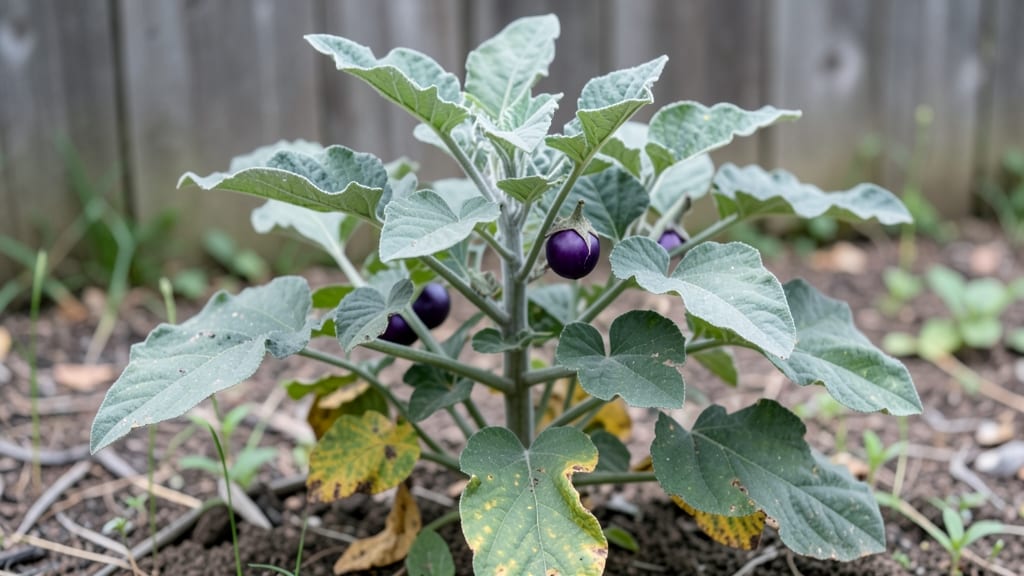
Growing eggplant plants in your garden delivers glossy purple fruits that rival anything from the store—except these are sweeter and packed with flavor straight from your backyard. 🌱 I’ve grown eggplants for five summers now, and my secret weapon is starting seeds indoors six weeks before the last frost, then transplanting them into warm soil when nighttime temps hit 60°F.
The key to success lies in rich, well-draining soil mixed with compost and a balanced fertilizer at planting time. Eggplants love heat and sunlight, so choose a spot that gets at least 8 hours of direct sun daily—they’ll reward you with deep green leaves and plump fruit by midsummer.
Water consistently to keep the soil moist but never soggy, as soggy roots invite disease.
By late summer, you’ll be harvesting eggplants that range from small, tender globes to football-sized beauties. The first fruits might be small, but each harvest encourages the plant to produce bigger ones.
With proper care, a single plant can yield 10-15 pounds of eggplants over the season—enough to share with neighbors or freeze for winter meals.
Watch for common pests like flea beetles and diseases such as powdery mildew, but don’t let that scare you off. A simple row cover or neem oil spray keeps most issues at bay.
Even in cooler climates, eggplants thrive with the right timing and care—here’s how to make it work for your garden.
📚 In This Guide
- What you need
- Instructions
- Tips and common mistakes
- Wrapping up and next steps
What you need
- ● Eggplant seeds or seedlings: Choose disease-resistant varieties like Black Beauty or Ichiban. For seeds, you’ll need about 5–10 seeds per plant (or 1–2 seedlings per spot).
- ● Well-draining potting mix: A 50/50 blend of compost and coconut coir or peat moss (about 10–20 lbs, depending on container size).
- ● Containers or garden bed: Containers: 5-gallon pots or larger (minimum 12-inch diameter) with drainage holes.
- ● Garden bed: A sunny, 6–8 ft wide x 12–18 ft long plot with loose, fertile soil (pH 6.0–6.8).
- ● Fertilizer: Balanced organic fertilizer (10-10-10 or 5-5-5): 1–2 tbsp per plant at planting.
- ● Compost or worm castings: 1 cup per plant mixed into soil.
- ● Mulch: 2–3 inches of straw or shredded leaves to retain moisture.
- ● Garden trowel or transplanting spade (for digging holes).
- ● Watering can or hose with a gentle spray nozzle (eggplants hate soggy roots!).
- ● Pruning shears (for trimming excess foliage or dead leaves).
- ● Garden gloves (to protect your hands from thorns and soil).
- ○ Stakes or cages (optional): 5–6 ft tall to support heavy eggplants (use 3–4 stakes per plant or a tomato cage).
- ○ pH testing kit (optional): To ensure soil is in the ideal 6.0–6.8 range.
- ○ Row cover or shade cloth (optional):** For young seedlings if your climate has hot afternoons or pests.
Step-by-Step instructions for growing eggplants in the garden
Here’s the straightforward method I’ve used to grow healthy, productive eggplants—no guesswork involved.
🌱 Step 1: Start Seeds Indoors 8-10 Weeks Before Last Frost
Fill 2-inch deep seed-starting trays with the seed-starting mix and moisten it until damp but not soggy. Plant 1-2 seeds per cell just ¼ inch deep—any deeper and they’ll struggle to emerge. Cover lightly with a sprinkle of mix and gently pat it down. Eggplant seeds germinate best in warmth (70-85°F), so place the tray on a seedling heat mat or in a warm spot like on top of the fridge.
Keep the soil consistently moist by misting with water daily until sprouts appear, which should happen in 5-10 days. Once seedlings emerge, move them to a bright, sunny window or under grow lights (14-16 hours daily). Without enough light, they’ll stretch tall and weak—watch for thin, leggy stems and adjust lighting immediately if you see this.
🪴 Step 2: Transplant Seedlings Outdoors After Warm Soil
Wait until soil temperatures reach at least 70°F—eggplants won’t grow in cooler soil. Harden off seedlings by placing them outside in a sheltered spot for 1-2 hours the first day, gradually increasing time over 7-10 days. Choose a location with full sun (6-8 hours daily) and well-draining soil. Amend the soil with compost if it’s heavy or clay-like—eggplants hate soggy roots.
Dig holes twice as wide as the root ball but no deeper. Space plants 18-24 inches apart in rows 2-3 feet apart to allow airflow and prevent disease. Gently remove seedlings from their trays, loosen the roots if they’re crowded, and place them in the holes. Fill in with soil, firm lightly, and water deeply to settle everything. Mulch around the base with straw or shredded leaves to retain moisture and suppress weeds.
☀️ Step 3: Maintain Consistent Water and Fertility
Water eggplants deeply 1-2 times per week, aiming for 1 inch of water total. Let the soil dry slightly between waterings—consistent moisture prevents cracking fruit, but don’t overwater or roots will rot. Use a drip irrigation system or water at the base to keep leaves dry, which reduces fungal diseases like powdery mildew. You’ll know you’re on track when the soil feels damp 1-2 inches down but not wet.
Feed plants every 2-3 weeks with a balanced fertilizer (10-10-10) once they’re established. Look for dark green, glossy leaves and new growth as signs they’re thriving. If leaves yellow or growth slows, they need more nutrients—switch to a tomato/vegetable fertilizer for a boost. Prune suckers (small shoots in leaf axils) to direct energy to fruit production, but leave 2-3 main stems for strong growth.
✂️ Step 4: Harvest and Extend the Season
Harvest eggplants when they reach full color and firm texture—usually 60-70 days after transplanting. Use a sharp knife or pruners to cut stems cleanly, leaving ½ inch of stem attached. Check plants every 2-3 days in peak season; overripe fruit turns spongy and bitter. The more you harvest, the more the plant produces—don’t let fruit linger on the vine.
To extend the season, cover plants with frost cloth when nighttime temps dip below 50°F. Eggplants are tender and won’t survive frost, so protect them until the first hard freeze. After harvest, pull up plants and compost them (unless disease struck, in which case discard). Save seeds from your best-performing plants for next year—just let a few fruits ripen fully on the vine before scooping out the seeds to dry.
Tips & tricks for thriving eggplant plants in your garden
Real talk: Growing eggplants from seed to harvest is incredibly rewarding once you know these game-changing strategies.
Heat Factor: Those 70-85°F germination temperatures are non-negotiable for eggplant seeds. I learned this the hard way after planting too early—seeds simply won't sprout in cooler soil. If your home stays below 70°F, use a seedling heat mat (they're affordable and make all the difference) or place trays on top of your fridge. For the first 5-10 days, check daily for moisture—seeds need consistent dampness but won't tolerate soggy conditions.
Lighting Secret: The 14-16 hours of daily light in Step 1 is critical, but here's what nobody tells you: window light alone won't cut it unless you're in a sunroom. I've seen seedlings stretch into weak, spindly plants from insufficient light. If you don't have grow lights, rotate trays daily so all sides get equal exposure. Watch for those telltale "leggy" stems—this means your seedlings are starving for light and need immediate attention.
Transplanting Pro Tip: When hardening off seedlings in Step 2, don't rush the 7-10 day process. I used to try to speed it up, but plants shocked by sudden outdoor conditions often wilt dramatically. Start with just 1-2 hours on day one, then increase by 1-2 hours each subsequent day. The goal is to acclimate them gradually to wind, sun, and temperature fluctuations without stressing the plants.
Soil Temperature Watch: That 70°F soil temperature minimum in Step 2 isn't just about germination—it's about root development. Cold soil slows down microbial activity that helps roots establish. I've used a soil thermometer for years to confirm temperatures, especially in spring when mornings can still be chilly. If your soil runs cooler than 70°F, consider using black plastic mulch a few days before transplanting to warm the soil naturally.
Pro Tips for Eggplant Plant Garden
- Real talk: Growing eggplants from seed to harvest is incredibly rewarding once you know these game-changing strategies.
- Heat Factor: Those 70-85°F germination temperatures are non-negotiable for eggplant seeds.
- Lighting Secret: The 14-16 hours of daily light in Step 1 is critical, but here's what nobody tells you: window light alone won't cut it unless you're in a sunroom.
Frequently asked questions
Got questions about growing eggplant in your garden? You’re not alone—this versatile plant can be tricky for beginners! Here are answers to the most common queries to help you cultivate a thriving harvest.
How long does it take for eggplant plants to grow from seed?
Eggplant plants take 80–100 days to mature from seed, depending on the variety. Start seeds indoors 8–10 weeks before your last frost date for a head start. Transplant seedlings outdoors only after soil temperatures reach 70°F (21°C)—they’re heat-lovers and won’t tolerate cold!
Can eggplant plants survive frost?
Nope! Eggplants are extremely frost-sensitive—even a light frost can kill them. If frost is forecasted, cover plants with row covers or blankets for short-term protection. For long-term safety, grow eggplants in containers so you can move them indoors during cold snaps.
What are the most common pests for eggplant plants?
Watch out for aphids, flea beetles, and Colorado potato beetles, which love munching on tender leaves. Handpick beetles or use neem oil for organic control. Row covers can deter early-season pests, and healthy soil (rich in compost) helps plants resist stress.
Can I grow eggplants in containers?
Eggplants thrive in 5-gallon containers or larger with well-draining soil. Choose compact varieties like ‘Fairy Tale’ or ‘Patio Baby’ for smaller spaces. Ensure pots have drainage holes and place them in full sun (6+ hours/day). Move containers indoors if night temps drop below 55°F (13°C).
Why are my eggplant flowers falling off before fruiting?
This usually happens due to temperature stress (too hot or cold), poor pollination, or nutrient deficiencies. Hand-pollinate flowers with a soft brush if bees aren’t visiting. Keep soil consistently moist (not soggy) and fertilize with low-nitrogen, high-phosphorus feed (like 5-10-10) to encourage fruiting.
Wrapping up and next steps
Growing your own eggplant plant garden is a rewarding journey that brings vibrant colors and delicious flavors straight to your kitchen! With the right soil, sunlight, and care, you’ll enjoy a bountiful harvest of glossy, purple gems—perfect for grilling, roasting, or stuffing.
Whether you're a beginner or a seasoned gardener, every seed planted today is a step toward fresher, tastier meals tomorrow.
Ready to take the next step? Start small, experiment with varieties, and watch your garden—and confidence—grow! 🌱💜