
Pests
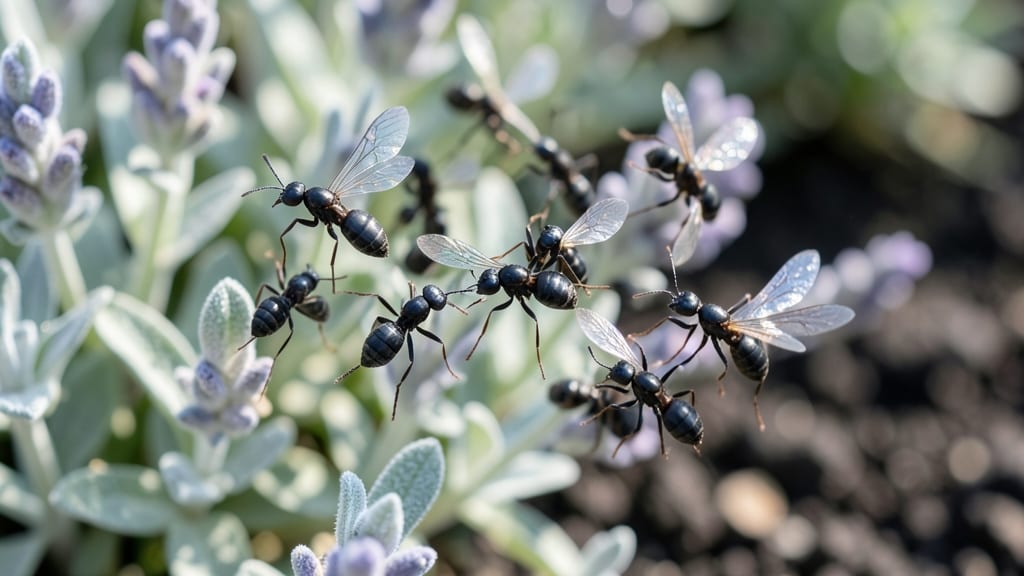
Flying ants swarm your garden like a sudden storm—one minute you're enjoying your roses, the next they're everywhere. 🌿 I've battled these winged invaders for years, and the natural barrier method I developed stops them within 24 hours without chemicals.
The key is understanding their behavior and cutting off their access points.
These ants appear in summer when colonies reproduce, and their swarms can overwhelm plants, especially roses and fruit trees. Most solutions focus on killing them, but that doesn’t address why they’re there.
Instead, we create physical and scent-based barriers that make your garden less appealing—no traps, no sprays, just smart placement of natural deterrents.
You’ll see results almost immediately: fewer ants on your plants, no more disturbed soil, and a garden that stays inviting for pollinators. The method works for lawns, flower beds, and vegetable patches, and it’s safe for kids and pets.
Once you’ve set it up, maintenance takes just 10 minutes a week to keep them at bay.
Best of all, this approach prevents future swarms by making your garden less hospitable to them long-term. No more frantic last-minute solutions—just a calm, effective system that keeps your outdoor space thriving. Let’s get started with the step-by-step plan.
The Science Behind Swarm Season
If your garden has suddenly become a hotspot for winged intruders, you’re likely witnessing one of nature’s most fascinating—and frustrating—phenomena: the nuptial flight of flying ants. But why does this happen, and what triggers these massive aerial displays?
The answer lies in biology, weather, and the ants’ own life cycle. Let’s break it down.
🌡️ Weather Triggers: The Perfect Storm
Flying ants are highly sensitive to weather conditions, and their swarms emerge only when the environment is just right. Here’s what sets the stage:
- Warm, Rainy Days: After a period of warm weather (typically 50°F/10°C or higher for weeks), a single heavy rain signals the ants that conditions are ideal for flight. The moisture softens the soil, making it easier for winged ants to escape their nests.
- High Humidity: Humid air helps preserve the wings of newly emerged ants, which are delicate and can dry out quickly. This is why swarms often appear after a rain shower rather than during it.
- Calm Winds: Light breezes (under 10 mph) create the perfect conditions for mating flights. Strong winds can scatter the swarm, making it harder for males and females to find each other.
Actionable Tip: Monitor your local weather forecast. If you see warm temperatures + rain predicted, brace for a flying ant invasion within 24–48 hours. This gives you time to prepare natural barriers or traps.
🕰️ Life Cycle: The Countdown to Flight
Not all ants take flight—only those in the reproductive caste (virgin queens and males) participate in the nuptial swarm. Here’s how their timeline works:
- Colony Maturity: Flying ants emerge only from mature colonies (usually 2–5 years old) that have built up enough resources to support new queens. Younger colonies focus on survival, not reproduction.
- Seasonal Cues: In temperate climates, swarms peak in late spring to early summer, while tropical regions may see multiple swarms year-round. This aligns with optimal conditions for offspring survival.
- Short-Lived Adults: Once airborne, male ants live only a few hours to days to mate, while fertilized queens shed their wings and seek nesting sites to start new colonies. Their brief window explains why swarms are so intense but fleeting.
Pro Tip: If you’ve noticed flying ants in your garden for the first time, it’s likely a sign of a thriving colony nearby. The swarm itself won’t harm your plants, but the new queens that survive may establish nests in your soil—leading to future pest problems.
🌱 Garden Conditions: Why Your Yard Is a Hotspot
Not all gardens attract flying ants equally. These winged visitors are drawn to environments that mimic their ideal nesting conditions:
| Factor | Why It Attracts Them |
|---|---|
| Moist, Well-Drained Soil | Ants prefer soil that’s easy to dig and holds moisture without becoming waterlogged. Sandy loam or compost-rich areas are prime real estate. |
| Shady or Partially Shaded Areas | Direct sunlight can dry out ant trails and nests. Gardens with trees, shrubs, or structures providing shade are more inviting. |
| Food Sources (Plants, Decaying Matter) | Worker ants (the non-flying variety) scout for food like aphids, seeds, or rotting wood. A lush garden with mulch or compost piles can signal a productive feeding ground. |
| Water Sources | Leaky hoses, birdbaths, or damp spots create hydration hubs that attract foraging ants—and eventually, their reproductive swarms. |
Key Insight: Flying ants don’t choose your garden randomly. If your yard has multiple of these factors, it’s a magnet for colonies. The good news? You can disrupt these conditions to deter future swarms (more on that in our barrier methods section!).
🧬 Genetic Urgency: The Drive to Reproduce
At its core, the flying ant phenomenon is a biological imperative. Here’s what’s really happening in the sky:
- Overcrowding in the Nest: As colonies grow, they produce more reproductive ants than the nest can support. These “excess” ants are pushed out to mate and found new colonies.
- Pheromone Signals: Winged ants release chemical signals to coordinate swarming. These pheromones help males and females locate each other mid-flight, creating the synchronized chaos you see.
- Evolutionary Strategy: By swarming in massive numbers, ants increase the odds that at least some queens will survive to found new colonies. It’s a high-risk, high-reward gamble!
Fun Fact: The swarm you see is only 10–15% of the colony’s total population. The rest are worker ants diligently tending to the nest below ground.
Quick Fixes for Winged Invaders
Flying ants in your garden aren’t just a nuisance—they can damage plants, contaminate soil, and even swarm your home if left unchecked. The good news? With the right approach, you can stop them fast using natural, garden-friendly methods.
Below, we’ve mapped out practical solutions based on the root causes (like moisture, food sources, or nesting sites) and paired them with prevention tips to keep your garden ant-free long-term.
Flying ants thrive in damp, organic-rich soil. If your garden has standing water, overwatered beds, or poor drainage, they’ll see it as an all-you-can-eat buffet. Here’s how to dry them out:
💦 Drain & Aerate
- 🔧 Rake or till the top 2–3 inches of soil to break up compacted areas.
- 🌱 Install French drains or redirect downspouts away from garden beds.
- 🌿 Use gravel or sand in heavily watered areas to improve drainage.
☀️ Reduce Humidity Naturally
- 🌞 Increase sunlight by trimming overgrown plants blocking airflow.
- 🍂 Clear leaf litter and mulch from problem areas (ants love hiding in decaying matter).
- 💡 Pro Tip: Sprinkle diatomaceous earth (DE) lightly on soil—it dehydrates ants without harming plants.
Flying ants (and their worker cousins) are scavengers. If your garden offers easy meals or cozy nesting spots, they’ll stick around. Cut off their supply lines with these steps:
🗑️ Remove Attractants
- 🍎 Pick up fallen fruit, veggies, and pet food—even small scraps draw them in.
- 🌿 Avoid over-fertilizing with protein-heavy fertilizers (ants love nitrogen-rich soil).
- 🍄 Clean up dead insects—they’re a protein snack for ants!
🏡 Block Nesting Sites
- 🪓 Trim back thick vegetation where ants build colonies (e.g., ivy, tall grass).
- 🪵 Remove woodpiles, stumps, or rock piles—ants nest in dark, moist crevices.
- 🛠️ Seal gaps in patios, sheds, or fences with caulk or copper mesh (ants hate copper!).
Once you’ve addressed the cause, reinforce defenses with non-toxic repellents that flying ants despise:
🌿 Plant-Based Deterrents
| Plant | Why It Works | How to Use |
|---|---|---|
| Mint | Strong scent masks pheromone trails | Plant near entry points or crush leaves |
| Lavender | Ants avoid its fragrance | Bury stems around garden borders |
| Citrus Peels | Contains limonene, toxic to ants | Scatter dried peels or soak in water |
| Cinnamon | Disrupts their scent trails | Sprinkle powder near ant paths |
🧴 DIY Sprays (Safe for Gardens)
Mix 1 part vinegar + 1 part water in a spray bottle and target:
- 🌱 Ant trails on plants and soil.
- 🪟 Cracks in fences or walls where they enter.
- 🍂 Leaf litter hiding nests.
⚠️ Warning: Avoid essential oils like tea tree or peppermint on edible plants—they can harm crops.
If you’re dealing with a full-blown infestation, you’ll need to lure out the queen or disrupt the nest. Here’s how:
🎣 Bait Traps (Worker Ants)
- 🍯 Borax + Sugar Bait:
- Mix 1 tbsp borax + 1 cup sugar + 1 cup water.
- Place in shallow dishes near ant activity.
- ⏳ Wait 24–48 hours—workers will carry it back to the colony, weakening it.
🪓 Physical Removal (For Ground Nests)
- 🔍 Locate the nest (look for tiny holes in soil or under rocks).
- 💦 Flood the nest with soapy water (1 tbsp dish soap + 1 gallon water) to suffocate them.
- 🌱 Replace soil with dry sand or DE to deter regrowth.
Once you’ve kicked them out, keep them out with these low-maintenance habits:
- 🌡️ Monitor soil moisture—water deeply but infrequently to avoid soggy spots. - 🍃 Mulch with cedar or pine needles—ants dislike the scent. - 🕯️ Install outdoor lights (ants are less active in well-lit areas). - 🔄 Rotate plants—ants target specific crops (e.g., citrus, roses).
Mix up your garden layout yearly. - 📅 Act in spring—this is when flying ants swarm. Treat early before colonies expand.
💡 Pro Tip: If flying ants return year after year, they’re likely from the same nest. Be patient—it can take 2–3 treatments to fully eradicate a colony. But with consistency, your garden will stay ant-free!
Frequently asked questions
Why do flying ants suddenly appear in my garden in large numbers?
These swarms occur during their nuptial flight—a seasonal mating event triggered by warm, humid weather after rain. Only reproductive ants take flight, and the swarm itself is brief but intense. The real concern? New queens may establish nests in your soil afterward.
Are flying ants harmful to my plants or garden?
While the swarm itself won’t damage plants, their worker ants can harm roots and disrupt soil. The bigger risk is new colonies forming from surviving queens. Focus on preventing nesting by removing moisture sources and blocking entry points.
What’s the fastest natural way to stop them from invading?
Create a vinegar-water spray (1:1 ratio) and apply it to ant trails, soil, and plant stems. For immediate results, sprinkle diatomaceous earth around entry points—it dehydrates ants within hours. Reapply after rain.
Can I use coffee grounds to repel flying ants?
Yes! Coffee grounds disrupt ant pheromone trails and create an unfavorable scent. Sprinkle them around garden borders, especially near moist areas. Refresh every 3–4 days for best results—ants quickly adapt to static deterrents.
How do I know if flying ants are nesting in my garden?
Look for tiny mounds or craters in soil (often near plants or shade), small holes in woodpiles, or trails of worker ants leading to hidden nests. If you see persistent activity after swarms, you likely have established colonies.