
Vegetables
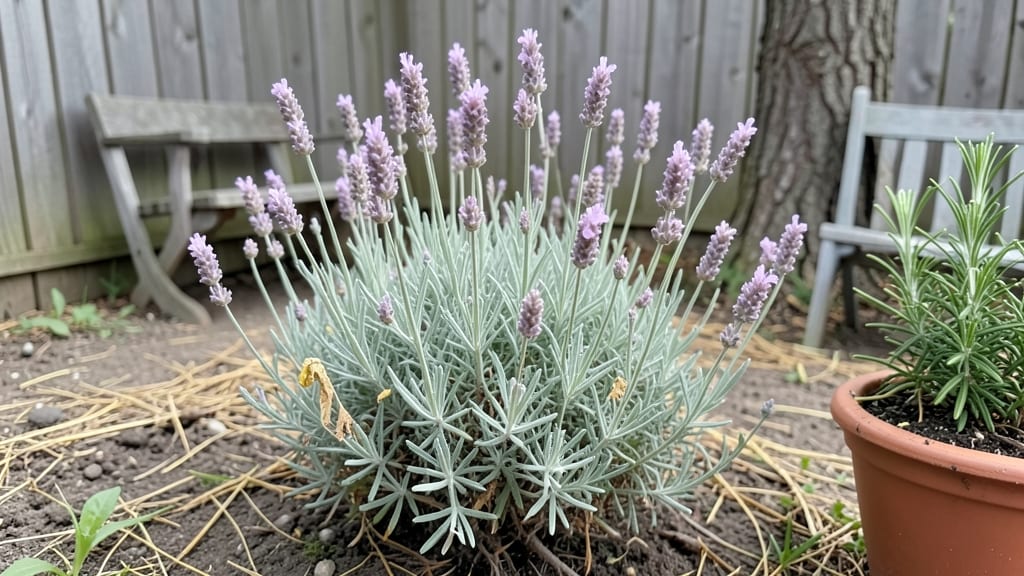
Creating a friendly neighbor garden starts with a simple truth: the best gardens aren’t just beautiful—they’re designed to invite people in. 🌿 I’ve seen how a well-placed bench under a blooming crabapple tree can turn strangers into regulars, and how a shared herb spiral becomes the unofficial community meeting spot.
The key isn’t just picking pretty plants; it’s crafting spaces that feel like extensions of the neighborhood itself.
Think season-long color layers that keep the garden lively from early spring bulbs to late autumn mums, with pollinator magnets like coneflowers and bee balm woven throughout. Low-maintenance perennials reduce upkeep while encouraging interaction—nothing brings people together faster than a thriving, easy-to-care-for space.
Add communal seating with weather-resistant materials, and suddenly, your garden becomes the heart of the block.
You’ll end up with a space that hums with activity year-round: kids chasing fireflies in summer, neighbors swapping tomato starts in spring, and winter gatherings around a fire pit surrounded by evergreens. The payoff isn’t just aesthetic—it’s the quiet magic of turning a yard into a shared resource.
Ready to design a garden that works as hard for the community as it does for the bees?
This approach works for urban backyards, suburban strips, or even small balconies with shared planters. The principles stay the same: prioritize people, plants, and pollinators in equal measure. Let’s build something that grows more than just flowers—let’s grow connections.
📚 In This Guide
- What you need
- Instructions
- Tips and common mistakes
- Wrapping up and next steps
What you need
- ● Soil: 2–3 cubic yards of well-draining, organic-rich soil (amend with compost if your soil is heavy clay or sandy).
- ○ Optional: Slow-release fertilizer (e.g., 10-10-10 or organic options like worm castings).
- ● Plants: A mix of native perennials, annuals, and pollinator-friendly veggies (see recommended varieties below). Aim for 3–5 types to ensure year-round blooms.
- ● Mulch: 2–3 bags of organic mulch (e.g., shredded bark, straw, or wood chips) to retain moisture and suppress weeds.
- ● Watering Supplies: 1–2 soaker hoses or drip irrigation kits (to save water and keep plants hydrated).
- ● Watering can (for smaller containers or seedlings).
- ● Tools: Garden trowel or hand shovel.
- ● Pruners (for trimming dead blooms or shaping plants).
- ● Gloves (to protect your hands from thorns or dirt).
- ● Measuring tape or ruler (for spacing plants evenly).
- ● Decor: Birdhouses or bat boxes (to attract pollinators and their predators).
- ● Painted rocks or signs (to mark plant varieties or add a whimsical touch!).
- ● Support Structures: Trellises or cages (for climbing plants like morning glories or pole beans).
- ● Stakes or tomato cages (for veggies that need extra support).
- ● Pest Control: Neem oil or insecticidal soap (for organic pest management).
- ● Row covers (to protect seedlings from early pests).
- ● Community Tools (for shared gardens): Wheelbarrow (for hauling soil or mulch).
- ● Shared toolkit (e.g., hoes, rakes, or a wheelbarrow for group use).
- ● ✅ Sunlight: At least 6–8 hours of direct sun daily (most pollinator plants thrive in full sun).
- ● ✅ Space: Minimum 4’ x 4’ plot (or containers for balconies).
- ● ✅ Access to Water: A nearby hose or water source for easy irrigation.
- ● ✅ Community Agreement (if shared): A simple planting schedule or care guidelines to keep everyone on the same page.
How to design a pollinator haven that welcomes your neighbors
Here's how to create a vibrant, low-maintenance garden that thrives all year and becomes the talk of the block.
🌱 Step 1: Plan Your Season-Long Color Layers
Start by sketching your space, dividing it into three layers: tall structures (6-8 feet), mid-height plants (2-4 feet), and ground cover. I always begin with perennials like coneflowers and black-eyed Susans—they return year after year and provide late-summer to fall blooms. Add spring bulbs like daffodils for early color, and summer annuals like zinnias for continuous nectar.
Place sun-loving plants on the south and west sides of your garden, while shade-tolerant varieties (like astilbes) go on the north or under trees. This ensures every season has something in bloom. I like to group plants with similar water needs together—this makes maintenance effortless and keeps your garden thriving without extra work.
🌿 Step 2: Incorporate Native Plants for Pollinator Success
Native plants are the backbone of a pollinator garden—they’ve evolved alongside local bees, butterflies, and hummingbirds. Milkweed is non-negotiable for monarchs, while bee balm and purple coneflower attract a staggering variety of pollinators. I always include at least three native species in every design to ensure year-round support.
Check your region’s native plant database to identify the best choices for your area. For example, goldenrod thrives in many climates and provides late-summer to fall nectar when other flowers fade. Plant in clusters of 3-5 rather than scattered singles—this creates visual impact and makes it easier for pollinators to find them.
☀️ Step 3: Add Water and Shelter for Year-Round Visitors
A shallow birdbath or small pond (even a saucer with pebbles) provides essential hydration for bees and butterflies. Place it in partial shade to prevent evaporation and add smooth stones for perching. I’ve seen hummingbirds and bees use these spots daily—it’s one of the simplest ways to boost pollinator activity.
Include dense shrubs like butterfly bush or evergreen trees for shelter from wind and predators. These also offer early-season nectar when few other flowers are blooming. If space is limited, even a small evergreen like boxwood can make a difference. The key is variety—mix deciduous and evergreen plants to ensure year-round coverage.
💧 Step 4: Mulch and Water for Low-Maintenance Beauty
Spread 2-3 inches of organic mulch (like shredded bark) to retain moisture, suppress weeds, and regulate soil temperature. I always use wood chips or straw—they break down slowly and improve soil health over time. Water deeply once a week (or more in extreme heat) to encourage deep root growth, but avoid soggy soil.
Early morning is the best time to water—it reduces evaporation and gives pollinators a chance to visit before the heat sets in. You’ll notice fewer weeds and healthier plants with consistent moisture. If your garden has clay soil, amend it with compost before planting to improve drainage and aeration.
✂️ Step 5: Maintain with Minimal Effort
Deadhead spent blooms monthly to encourage continuous flowering, but leave some seed heads for winter interest and food for birds. I always leave at least one milkweed pod for monarch caterpillars—it’s a small sacrifice for big rewards. Prune late winter or early spring to shape shrubs and remove dead growth before new growth begins.
Fertilize lightly (if at all)—most pollinator plants thrive in average garden soil. Over-fertilizing can lead to leafy growth at the expense of flowers, which is the opposite of what we want. Instead, focus on healthy soil through compost and organic matter. A well-designed pollinator garden should require no more than 10 minutes of maintenance per week once established.
Tips & tricks for perfect pollinator gardens
Creating a pollinator-friendly garden that thrives all year takes thoughtful planning—and these pro tips will help you avoid common pitfalls while maximizing impact.
Seasonal Layering Strategy: In Step 1, when planning your three layers, consider adding winter interest plants like ornamental grasses or evergreen shrubs to the tall structures. These provide visual appeal and shelter when other plants are dormant. I've found that switchgrass or fountain grass (6-8 feet) not only adds texture but also supports late-season pollinators when food is scarce. The key is to think vertically—every inch of space can contribute to year-round beauty and function.
Native Plant Selection: When selecting your three native species in Step 2, prioritize plants that bloom at different times. For example, pair early spring bloomers like Virginia bluebells with mid-summer bee balm and fall goldenrod. This creates a continuous nectar source that keeps pollinators visiting throughout the growing season. I always check my local native plant database for species that provide both nectar and pollen—this dual offering makes your garden even more attractive to a wider variety of visitors.
Water Feature Placement: For Step 3, position your water source within 10-15 feet of flowering plants. This proximity encourages pollinators to make multiple stops between hydration and feeding. I've noticed that bees and butterflies are more likely to establish regular routes when water and flowers are conveniently located. Also, place your water feature where you can observe it—you'll be amazed at the daily pollinator activity you'll witness from your kitchen window.
Mulching Technique: When applying your 2-3 inches of organic mulch in Step 4, leave a 2-inch gap around plant stems to prevent rot. I've made the mistake of piling mulch too close to the base, which led to fungal issues in my first garden. The gap allows air circulation while still suppressing weeds. For extra benefits, choose locally sourced mulch—it often contains native seeds that will establish themselves over time, adding to your garden's biodiversity.
Pro Tips for Friendly Neighbor Gardens
- Creating a pollinator-friendly garden that thrives all year takes thoughtful planning—and these pro tips will help you avoid common pitfalls while maximizing impact.
- Seasonal Layering Strategy: In Step 1, when planning your three layers, consider adding winter interest plants like ornamental grasses or evergreen shrubs to the tall structures.
- Native Plant Selection: When selecting your three native species in Step 2, prioritize plants that bloom at different times.
Frequently asked questions
Got questions about creating a friendly neighbor garden that thrives with pollinators and seasonal color? Here are some common ones—and their answers!
What’s the best time of year to start a pollinator-friendly garden?
Spring (March–May) is ideal for planting perennials and annuals, but you can start anytime! Early spring lets plants establish roots before summer heat. If you’re adding vegetables, follow your local frost dates—most seeds do well when soil is at least 50°F. Fall (September–October) is great for bulbs and cool-season crops too!
How do I keep my garden from attracting pests instead of pollinators?
Focus on native plants—they’re pollinator magnets and less likely to draw pests. Avoid pesticides (even organic ones), and plant diverse flowers (like marigolds, lavender, or coneflowers) to disrupt pest cycles. A few herbaceous borders (e.g., dill or fennel) can also lure beneficial insects away from your veggies.
Can I mix vegetables with pollinator-friendly flowers?
Companion planting
works wonders—try interspersing borage, nasturtiums, or alyssum near tomatoes, squash, or cucumbers. These flowers boost pollination and deter pests. Just avoid overcrowding; give plants 12–24 inches of space for airflow and sunlight.
How much water do pollinator plants need?
Most pollinator plants thrive on 1–1.5 inches of water per week, including rainfall. Newly planted flowers need daily watering for 2 weeks to root. Use drip irrigation or soaker hoses to keep leaves dry (fungus hate!). Mulch with straw or wood chips to retain moisture and reduce evaporation.
What if my soil isn’t great for pollinators?
No worries! Amend soil with compost or aged manure (2–3 inches mixed into the top 6–12 inches). For sandy soil, add peat moss or coconut coir; for clay, mix in perlite or coarse sand. Pollinators love well-draining, slightly acidic to neutral soil (pH 6.0–7.0). Test your soil with a kit for precision!
Still stumped? Drop your question in the comments—we’re happy to help your garden buzz with life!
Wrapping up and next steps
Creating a friendly neighbor garden isn’t just about beauty—it’s about fostering life, connection, and sustainability right in your backyard (or front yard!). By layering seasonal blooms, native plants, and pollinator-friendly veggies, you’ve got a thriving ecosystem that delights bees, butterflies, and your community. 🌸🐝
Ready to take the next step? Start small—even a single pollinator patch or a shared herb bed can make a difference. Invite neighbors to join, swap cuttings, or host a garden potluck to celebrate your green oasis together!