
Fertilization
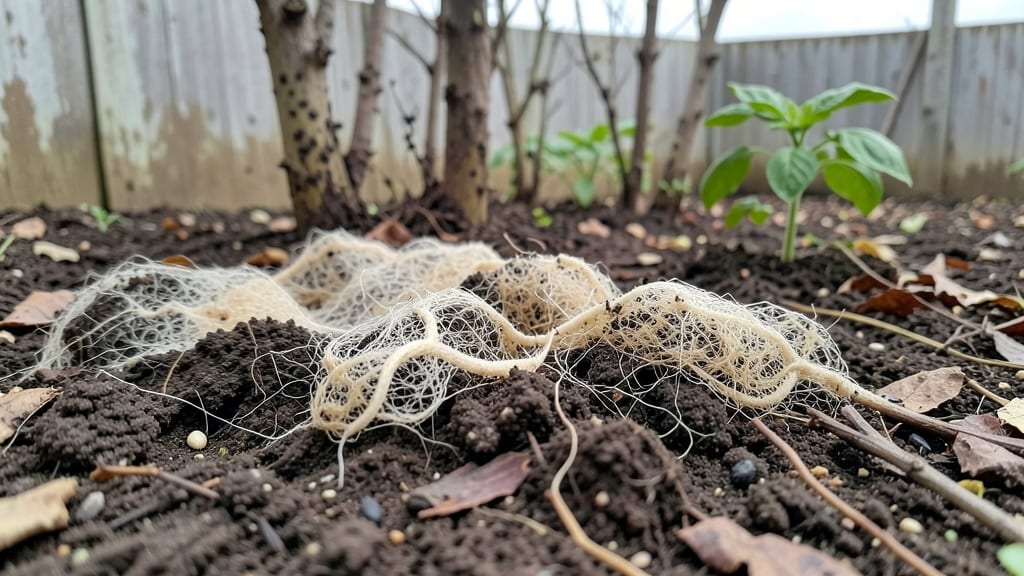
When your garden soil develops fungus problems, the first step is sterilizing it properly to create a clean base for healthy plants. 🌱 I learned this the hard way after my tomato plants developed black, mushy roots—turns out, too much moisture and poor drainage had created the perfect breeding ground for harmful fungi.
The solution wasn’t complicated, but it required precision: baking the soil, mixing in amendments, and ensuring proper aeration.
Most gardeners assume sterilizing soil means killing all microorganisms, but the goal is actually targeting pathogenic fungi while preserving beneficial microbes.
Start by baking contaminated soil at 200°F for 30 minutes to kill spores, then mix in compost, perlite, and a small amount of lime to balance pH and improve drainage. This method works for both vegetable beds and potted plants, preventing future outbreaks.
The results speak for themselves: roots stay firm and white, plants grow vigorously, and you avoid the heartbreak of wilting crops mid-season. With this sterilized base, your garden soil becomes a clean canvas for healthy growth—no more guessing whether your plants are thriving or slowly suffocating beneath the soil line.
This approach works year-round, but spring and fall are ideal times to refresh garden beds before planting. For existing fungal issues, combine sterilization with organic fungicides like neem oil or copper-based treatments to tackle stubborn infections. The key is consistency—once you break the cycle, your garden’s health will improve dramatically.
Root Causes Of Fungal Soil Failures
Fungus garden soil—whether for oyster mushrooms, shiitake, or gourmet varieties—relies on a delicate balance of nutrients, moisture, and microbial activity. When things go wrong, it’s usually because one (or more) of these critical factors is thrown off.
Understanding why your fungus garden soil underperforms is the first step to fixing it. Below, we break down the most common culprits, backed by science, so you can troubleshoot like a pro.
A fungus garden thrives on sterile, nutrient-rich substrates, but contaminants like bacteria, mold, or competing fungi can derail growth faster than you think. Here’s why it happens:
- Unsterilized Materials: Raw substrates (like straw, wood chips, or coffee grounds) often carry wild microbes. Even a single spore of Aspergillus or Trichoderma can outcompete your desired mushroom species. Pro tip: Pressure cooking (15 PSI for 90+ minutes) or pasteurizing (180°F for 1–2 hours) kills most contaminants without over-cooking organic matter.
- Improper Storage: Substrates left exposed to humidity or pests (like mites or flies) invite mold. Rhizopus (bread mold) is a notorious invader that thrives in damp, unsterile conditions. Store materials in sealed, dry containers with silica gel packs to prevent moisture buildup.
- Chemical Residues: Substrates treated with pesticides, herbicides, or even tap water with chlorine can inhibit fungal mycelium. Actionable fix: Rinse materials thoroughly and use filtered or distilled water for mixing.
Fungi are picky eaters—they need the right mix of carbohydrates, nitrogen, and minerals to grow. Too much or too little of any nutrient throws off the ecosystem.
| Cause | Signs | Solution |
|---|---|---|
| Excess Nitrogen (e.g., from fresh manure or urea) | Fast, unorganized growth; weak fruiting bodies; ammonia smell | Balance with carbon-rich additives (e.g., sawdust, gypsum). Aim for a C:N ratio of 25:1 to 40:1. |
| Low Potassium or Calcium | Stunted mycelium, weak cell walls (leading to breakage), or no fruiting | Add wood ash (sparingly) or gypsum (calcium sulfate) to the substrate mix. |
| Lack of Trace Minerals (e.g., zinc, magnesium) | Slow colonization, yellowing mycelium, or deformed mushrooms | Supplement with egg shells (crushed) or a liquid mineral mix (like kelp or molasses). |
💡 Pro Tip: Test your soil with a home compost thermometer during pasteurization—ideal temps for sterilization are 160–180°F. Overheating destroys nutrients, while under-heating leaves contaminants alive.
Fungi are 90% water, but too much or too little moisture creates a hostile environment. Here’s how to spot the issue:
- Overwatering: Excess moisture suffocates mycelium by blocking oxygen and encourages anaerobic bacteria (which produce foul odors). Signs: Slimy substrate, rotten smell, or green/black mold. Fix: Adjust to 50–60% moisture content (squeeze-test: damp, not dripping).
- Underwatering: Dry conditions cause mycelium to retreat into the substrate, stalling growth. Signs: Brittle, cracking soil; slow or no colonization. Fix: Mist lightly daily and use a humidity tent (clear plastic dome) to retain moisture.
- Poor Drainage: Compacted or clay-heavy soils trap water, leading to root rot. Fix: Amend with perlite or coco coir (20% of mix) to improve aeration.
✨ Key Insight: Most fungi prefer high humidity (80–90%) but not standing water. Use a hygrometer to monitor levels—adjust with a spray bottle or dehumidifier as needed.
Fungi are sensitive to their environment—get the temperature or pH wrong, and growth grinds to a halt.
- Temperature Stress:
- Too Hot (>90°F): Mycelium dies or goes dormant. Fix: Move to a shaded, ventilated area or use a fan.
- Too Cold (<50°F): Growth slows or halts. Fix: Use a seedling heat mat (set to 70–75°F) for incubation.
- pH Imbalances:
Most edible fungi prefer a neutral to slightly acidic pH (6.0–7.5). Off-target pH levels block nutrient uptake.
- Too Acidic (<5.5): Mycelium struggles to absorb calcium. Fix: Add lime or wood ash (sparingly).
- Too Alkaline (>8.0): Inhibits enzyme activity. Fix: Mix in sulfur or peat moss to lower pH.
🔥 Quick Test: Use pH strips on your substrate mix. If it’s outside the ideal range, adjust before inoculation. Never use vinegar or citrus—these can introduce unwanted microbes.
By identifying which of these factors is disrupting your fungus garden soil, you can pinpoint the exact issue and restore balance. Next up: How to Fix Common Problems—where we’ll dive into actionable solutions for each scenario.
Revive Your Soil Naturally
Fungus garden soil issues—whether it’s contamination, poor growth, or imbalance—can feel like a setback, but they’re often fixable with the right approach. Below are practical, step-by-step solutions tailored to common problems, along with prevention tips to keep your mushroom cultivation thriving.
Let’s turn those challenges into opportunities for a healthier, more productive garden!
Cause: Excess moisture, poor sterilization, or foreign pathogens invading your soil. Fix It:
- 🍳 Sterilize the Soil Again
- Spread contaminated soil on a baking sheet and bake at 180°F (82°C) for 30–60 minutes to kill mold and bacteria. For larger batches, use a pressure cooker (15 PSI for 90 minutes).
- Pro Tip: 💡 Mix in 1 part hydrogen peroxide (3%) to 10 parts water before baking to boost sterilization.
- 🌱 Add Beneficial Microbes
- Introduce mycorrhizal fungi or compost tea to restore balance. These "good" microbes outcompete harmful ones.
- Prevention: Always sterilize tools (pruners, hands) with 70% isopropyl alcohol before handling soil.
- ⚖️ Adjust Moisture Levels
- Let soil dry slightly between waterings—aim for 50–60% moisture (squeeze a handful; water should drip but not pool).
- Quick Fix: Mix in perlite or vermiculite (20% by volume) to improve drainage.
Cause: Nutrient deficiency, incorrect pH, or lack of organic matter. Fix It:
- 📊 Test and Adjust pH
- Ideal pH for most mushrooms: 5.5–7.5. Test with a digital pH meter or strips.
- Lower pH (more acidic)? Add elemental sulfur or pine needles.
- Raise pH (more alkaline)? Use wood ash or crushed eggshells (sparingly).
- 🍄 Boost Nutrients with Organic Amendments
- Mix in 10–20% hardwood sawdust (great for lignin-loving fungi like shiitake).
- For oyster mushrooms, add crushed oyster shells or gypsum for calcium.
- Pro Tip: ✨ Aged compost (not fresh!) adds microbes and slow-release nutrients. Avoid manure—it’s too strong.
- 🔄 Refresh the Soil Mix
- If growth stalls, layer fresh sterilized soil over the existing bed (like lasagna gardening). Use:
- 50% sterilized garden soil
- 30% hardwood sawdust
- 20% coconut coir or peat moss (for moisture retention)
- If growth stalls, layer fresh sterilized soil over the existing bed (like lasagna gardening). Use:
Cause: Unsterilized soil attracts bugs or rodents seeking moisture. Fix It:
- 🕷️ Non-Toxic Pest Control
- Diatomaceous earth (food-grade): Sprinkle lightly on soil surface—it dehydrates pests like fungus gnats.
- Sticky traps: Place near the edges to catch flying insects.
- Prevention: 🎯 Store soil in sealed containers and avoid overwatering (rodents love damp spots).
- 🛡️ Physical Barriers
- For rodents, use hardware cloth (1/4-inch mesh) around the base of grow bins.
- Quick Fix: 🌿 Plant pest-repelling herbs (basil, mint) around the garden edges.
- 🔪 Remove Infested Soil
- If pests persist, discard heavily contaminated soil and restart with fresh, sterilized mix.
- 🔥 Sterilize Everything: Soil, tools, and containers should be heat-sterilized before use.
- 💧 Monitor Moisture: Use a moisture meter to avoid soggy (or bone-dry) conditions.
- 🧪 Test Regularly: Check pH and nutrient levels every 2–4 weeks.
- 📅 Rotate Crops: Don’t grow the same fungi in the same soil repeatedly—crop rotation prevents pathogen buildup.
- 🌿 Use Sterile Water: Only use filtered or distilled water to avoid introducing contaminants.
Final Thought: A little maintenance goes a long way! By addressing issues early and keeping your soil healthy, you’ll create the perfect environment for luxuriant fungal growth—and fewer headaches down the line. 🍄✨
Frequently asked questions
What causes black, mushy roots in garden plants?
This is often a sign of root rot caused by overwatering or poor drainage, creating the perfect environment for harmful fungi. The excess moisture suffocates roots and encourages fungal growth. To fix it, improve drainage with perlite or sand, reduce watering frequency, and consider adding mycorrhizal fungi to restore balance.
How do I sterilize garden soil to kill fungi?
Spread the soil on a baking sheet and bake at 200°F for 30 minutes to eliminate fungal spores. For larger batches, use a pressure cooker at 15 PSI for 90 minutes. After sterilization, mix in compost, perlite, and lime to restore nutrients and pH balance.
Why does my garden soil smell musty after sterilization?
A musty odor usually means residual organic matter decomposed during sterilization. To improve it, mix in fresh compost or aged manure (10–20% by volume) and aerate the soil with a garden fork. This adds beneficial microbes and improves structure, reducing the smell over time.
Can I reuse sterilized soil for multiple plantings?
Yes, but only if you replenish nutrients and balance the microbial ecosystem. After each use, add compost, worm castings, and a slow-release fertilizer. Rotate crops to prevent pathogen buildup, and test pH every 3–6 months to ensure it stays in the ideal range for your plants.
What’s the best way to prevent fungal growth in garden soil?
Focus on drainage, aeration, and moisture control. Use raised beds or containers with drainage holes, mulch to retain moisture without waterlogging, and avoid overwatering. Regularly test soil pH and add amendments like wood ash or sulfur to keep it balanced for plant health.