Companion Plants
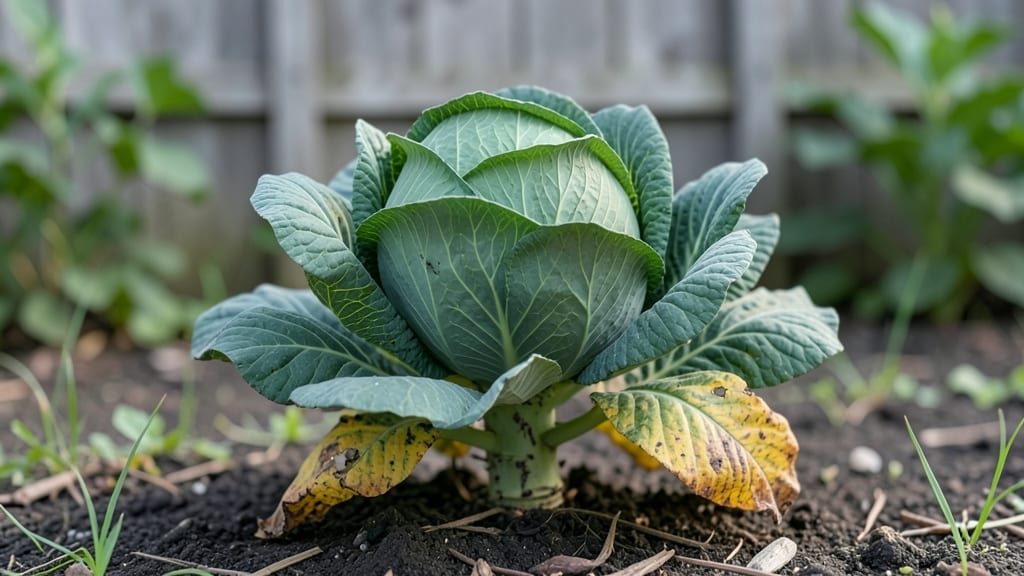
The garden cabbage plants you nurture from spring through fall will reward you with hearty harvests—if you pick the perfect varieties and avoid their biggest enemies: soggy soil and wilting heat. 🌱 I learned the hard way that cabbage hates soggy soil and wilts under afternoon sun—once I fixed those, my harvests went from sad little heads to bold, dense crowns that lasted months.
The secret starts with cold-hardy varieties like 'January King' or 'Red Express' that tolerate light frosts, plus well-draining soil mixed with compost. You'll need 18-24 inches of spacing between plants (they get wide!) and consistent watering that keeps the soil damp but never waterlogged.
The payoff? Crisp, flavorful cabbages that stay fresh in the garden until you're ready to harvest.
Transplant seedlings when they're 4-6 weeks old, and watch for cabbage worms—cover young plants with lightweight row fabric until they're established. By midsummer, you'll be snipping outer leaves for quick meals while the center keeps growing.
The best part? These varieties store well in the fridge, so you can enjoy homegrown cabbage long after harvest.
Works in containers (with deep pots) or in-ground beds, and adapts to most climates if you pick the right variety. Whether you're growing for salads, sauerkraut, or braising, this method delivers reliable results—no more bolting or bitter flavors. Let's get those seeds in the ground!
📚 In This Guide
- What you need
- Instructions
- Tips and common mistakes
- Wrapping up and next steps
What you need
- ● Seeds or Seedlings: Cold-resistant varieties (e.g., ‘January King,’ ‘Red Express,’ or ‘Savoy King’) – 20–50 seeds (or 6–12 transplants if starting with seedlings).
- ● Growing Space: Full sun (6+ hours daily) or partial shade (especially in hot climates).
- ● Well-draining soil with a pH of 6.0–7.0 (test your soil or amend with compost/lime if needed).
- ● Fertilizer: Balanced organic fertilizer (e.g., 10-10-10) or compost (apply at planting and mid-season).
- ● Gardening Tools: Trowel or transplant spade (for digging holes).
- ● Garden fork (to loosen soil).
- ● Pruners (for harvesting outer leaves).
- ○ Optional (But Helpful!): Row covers or frost cloth (for early/late-season protection).
- ● Drip irrigation system or watering can (for consistent moisture).
- ● Mulch (straw or shredded leaves to retain moisture).
- ● Check your last frost date (plant seeds 4–6 weeks before or use transplants 2–3 weeks before).
- ● Space plants 18–24 inches apart (closer for smaller varieties).
- ● Water deeply 1–2 inches per week (more in hot/dry weather).
Step-by-Step instructions for planting cold-resistant cabbage
Here’s my foolproof method for growing hearty cabbage that thrives in cool weather and delivers crisp, flavorful harvests.
🌱 Step 1: Prepare the Soil for Optimal Growth
Cabbage loves rich, well-draining soil with a pH between 6.5 and 7.0. Work 2-3 inches of compost into the top 6 inches of soil to improve fertility and drainage. I like to test the soil first—if it’s heavy clay, mix in 1 part sand to help roots breathe. Avoid fresh manure, which can burn tender seedlings.
Loosen the soil to a depth of 12 inches with a garden fork or tiller. Cabbage roots spread wide, so breaking up compacted layers prevents stunted growth. If your soil is sandy, add 1 inch of aged compost to retain moisture without suffocating roots. The goal is soil that crumbles easily when squeezed—like a damp sponge.
🌱 Step 2: Plant Seeds or Transplants at the Right Time
For direct sowing, plant seeds ¼ inch deep in rows 18-24 inches apart, spacing them 2 inches apart. I start seeds indoors 4-6 weeks before the last frost in biodegradable pots to avoid transplant shock. If using transplants, set them out when they’re 4-6 weeks old and have 4-5 true leaves, spacing them 18-24 inches apart in all directions.
Cabbage thrives in cool weather, so aim for planting in early spring or late summer to avoid bolting (premature flowering) in heat. If your climate has mild winters, you can even plant in fall for a winter harvest. Water the soil 1-2 days before planting to help roots establish faster.
💧 Step 3: Water Consistently to Prevent Cracking
Keep the soil evenly moist but never soggy—cabbage heads crack if they dry out unevenly. Water deeply 1-2 times per week, aiming for 1 inch of water per week. Use a soaker hose or drip irrigation to deliver moisture at the base without wetting the leaves, which reduces disease risk. I water in the early morning so leaves dry quickly.
Mulch around plants with 2-3 inches of straw or shredded leaves to retain moisture and suppress weeds. This also keeps soil temperatures stable, which is key for cold-resistant varieties. If rain is scarce, check soil moisture by sticking your finger 1 inch deep—if it feels dry, water immediately.
☀️ Step 4: Provide Sun and Space for Healthy Heads
Cabbage needs full sun (6+ hours daily) for tight, compact heads. If your summers are scorching, provide afternoon shade to prevent bolting. I’ve found that lightweight row covers work well in hot climates—they filter sunlight while keeping pests out. Space plants 24 inches apart to allow airflow, which prevents fungal diseases like downy mildew.
Watch for yellowing leaves or stunted growth, which signal nutrient deficiencies. Side-dress with 1-2 inches of compost mid-season if plants look pale. Cabbage is a heavy feeder, so don’t skimp on organic matter. You’ll know you’re doing it right when leaves stay deep green and heads form firmly.
✂️ Step 5: Harvest at Peak Maturity for Best Flavor
Harvest cabbage when heads are firm and fully formed, usually 70-100 days after transplanting, depending on the variety. I twist heads gently at the base—don’t cut—so the plant can regrow smaller heads (if it’s a suitable variety). For winter storage, harvest before hard frosts and cure heads in a cool, dark place for 3-5 days to toughen the skin.
If you miss the window, don’t worry—cold-hardy varieties like ‘January King’ or ‘Winterbor’ can survive light frosts and even improve in flavor after a frost. Store harvested heads in a ventilated crate at 32-40°F for up to 6 months. You’ll know they’re ready when the core stays crisp and the outer leaves remain vibrant.
Tips & tricks for perfect garden cabbage plants
These simple yet game-changing tips will help you grow cabbage that's crisp, flavorful, and ready to harvest all year long.
Soil Prep Secret: In Step 1, when you're amending the soil, don't just eyeball the compost—measure it! Spread the 2-3 inches of compost evenly across the planting area before mixing it in. This ensures uniform fertility throughout the 6-inch depth where roots will grow. I've found that pre-mixing compost with a wheelbarrow full of soil makes it even easier to distribute. The goal is that crumbly texture—if it feels dense, add more compost or sand.
Transplant Timing Tip: For Step 2, if you're starting seeds indoors, set a reminder for 4-6 weeks before your last frost date—this is non-negotiable for strong seedlings. I've learned the hard way that rushing this step leads to leggy, weak plants. When transplanting, water the soil 1-2 days before to reduce shock. The roots will establish faster in moist soil, giving you a head start on that 70-100 day growth window.
Watering Wisdom: In Step 3, that 1 inch of water per week guideline is perfect, but timing matters just as much. I've found that watering in the early morning gives leaves time to dry completely before evening, which dramatically reduces fungal diseases. For the 2-3 inches of mulch, use straw instead of leaves if you're in a humid climate—straw keeps the soil cooler and prevents rot. And here's a trick: water the mulch, not the leaves, to keep foliage dry.
Harvest Hack: When you're ready to harvest in Step 5, give those heads a gentle twist at the base rather than cutting. This preserves the plant's ability to regrow smaller heads if you're growing a suitable variety. For winter storage, I cure my cabbage heads at 32-40°F in a dark basement for 3-5 days—this toughens the skin and extends shelf life to 6 months. The key is patience: if you harvest too early, the heads won't store well, and if you wait too long, they'll get tough and bitter.
Pro Tips for Garden Cabbage Plants
- These simple yet game-changing tips will help you grow cabbage that's crisp, flavorful, and ready to harvest all year long.
- Soil Prep Secret: In Step 1, when you're amending the soil, don't just eyeball the compost—measure it!
- Transplant Timing Tip: For Step 2, if you're starting seeds indoors, set a reminder for 4-6 weeks before your last frost date—this is non-negotiable for strong seedlings.
Frequently asked questions
Got questions about growing garden cabbage plants? You’re not alone! Here are answers to the most common queries—whether you're a beginner or a seasoned gardener looking to refine your technique.
How long does it take for cabbage plants to mature?
Most garden cabbage varieties take 70 to 100 days to reach harvest size, depending on the type (e.g., early varieties like ‘Golden Acre’ mature in ~60 days, while late varieties like ‘January King’ can take up to 120 days). Check the seed packet for exact timelines—planting too early in warm weather can lead to bolting (premature flowering).
Can cabbage survive frost? What about extreme cold?
Yes! Cabbage is one of the most cold-hardy vegetables—young plants tolerate light frosts (25–30°F), while mature heads can handle down to 15°F. For winter harvests, use row covers or cold frames to protect plants in sub-freezing temps. Varieties like ‘Winterbor’ thrive in cool weather, making them ideal for year-round gardens.
What pests or diseases should I watch for with cabbage?
Cabbage is prone to cruciferous pests like cabbage worms, aphids, and cabbage loopers, as well as diseases such as clubroot and black rot. Preventive measures include:
- Rotate crops annually to avoid soil-borne diseases.
- Use row covers to block butterflies (worm eggs).
- Apply neem oil or insecticidal soap for early pest control.
- Keep garden beds weed-free to reduce harboring pests.
Can I grow cabbage alongside other plants? What are the best companions?
Cabbage benefits from companion planting. Pair it with:
- Herbs: Dill, mint, or thyme deter pests.
- Vegetables: Beets, celery, or onions improve growth.
- Avoid: Strawberries, tomatoes, or potatoes (they compete for nutrients).
How do I store homegrown cabbage for long-term use?
Harvest cabbage when heads are firm and compact, then store in a cool (32–40°F), humid (90–95%) environment, like a root cellar or refrigerator crisper. Whole heads last 2–3 months; shredded cabbage keeps for 1–2 weeks. For fermentation (like sauerkraut), use clean, salted heads within 24 hours of harvest.
Why is my cabbage turning yellow or bitter?
Yellowing leaves often signal overmaturity, nutrient deficiency (nitrogen), or bolting (triggered by heat or stress). To fix:
- Harvest promptly if heads are loose or splitting.
- Add compost or balanced fertilizer if soil lacks nitrogen.
- Provide consistent watering (1–1.5 inches/week) to prevent stress.
- For bitter taste, choose younger leaves or sweeter varieties like ‘Sweetheart’.
Wrapping up and next steps
Growing garden cabbage plants is a rewarding journey that brings fresh, homegrown goodness to your table—even in cooler climates! 🌱 With the right cold-resistant varieties and a few simple steps, you can enjoy a year-round harvest.
Whether you're a seasoned gardener or just starting, the key is patience, proper spacing, and a little love.
Now that you’re armed with tips and answers, it’s time to roll up your sleeves and plant! Start with a single seedling or a small batch, experiment with companion plants, and watch your garden thrive. Happy growing—your future salads, stir-fries, and soups are waiting! 🥬✨