
Planting
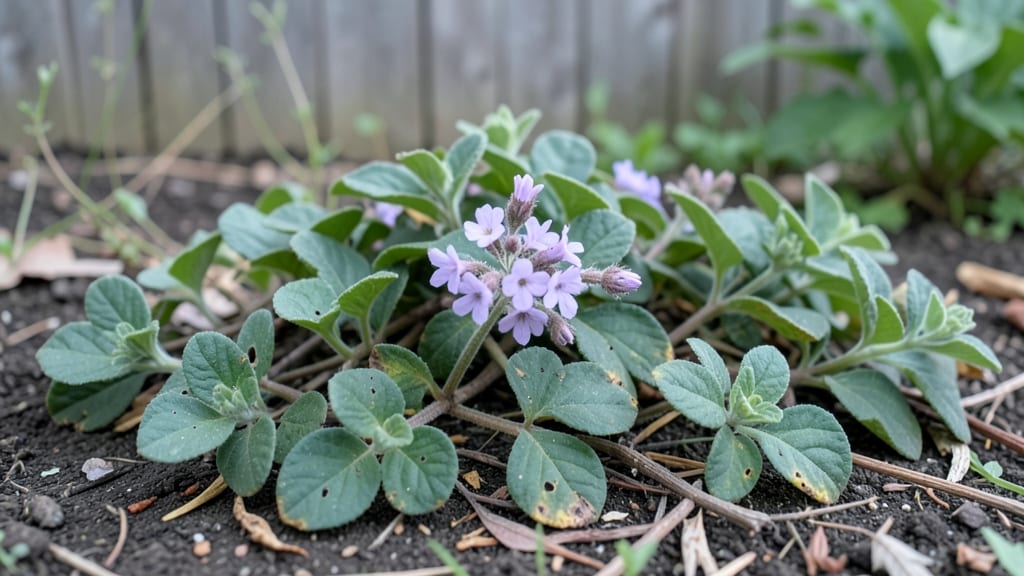
Planting garden huckleberry shrubs transforms your yard into a wildlife magnet—birds, bees, and butterflies will flock to its berries while you enjoy its glossy foliage. I fell for this plant after seeing how hardy it stayed through our last winter freeze, its leaves untouched while everything else suffered.
The berries aren’t just for the birds; they’re edible too, with a tart flavor that’s perfect for jams or fresh snacking when ripe.
These shrubs thrive in partial shade to full sun, making them ideal for understory plantings or woodland garden edges. The soil can be average—just ensure it drains well since soggy roots lead to root rot.
Watering is simple: keep the soil consistently moist for the first year, then let nature take over once established. Pruning is minimal—just remove dead branches in early spring to keep the shape tidy and encourage new growth.
You’ll start seeing berries in late summer, and they’ll persist through fall, providing food when other plants have gone dormant. The glossy, dark green leaves add year-round interest, and the white flowers in spring attract pollinators.
Even in colder climates, these shrubs handle frost better than many ornamental plants, making them a low-maintenance, high-reward addition to any landscape.
For best results, plant in early spring or fall, spacing them 3-4 feet apart to allow for growth. In warmer climates, they’ll grow even larger, so give them room to spread.
Whether you’re planting for wildlife, edible berries, or just beautiful foliage, garden huckleberries deliver on all fronts with minimal fuss.
📚 In This Guide
- What you need
- Instructions
- Tips and common mistakes
- Wrapping up and next steps
What you need
- ● Garden huckleberry plants (2–4, depending on desired coverage; choose Symphoricarpos albus or S. orbiculatus for best results).
- ● Well-draining soil (amend with compost or peat moss if needed; pH 6.0–7.0).
- ● Organic mulch (2–3 inches of wood chips or straw to retain moisture).
- ● Watering can or hose (with a gentle spray nozzle for seedlings).
- ● Garden gloves (to protect hands while planting).
- ● Pruners (sharp, clean bypass pruners for shaping).
- ○ Stakes or trellis (optional but helpful for young plants in windy areas).
- ● Fertilizer (balanced 10-10-10 or slow-release organic fertilizer for established plants).
- ● Soil test kit (to check nutrient levels before planting).
- ● Bird feeders or suet cages (to attract wildlife to your new huckleberry buffet!).
- ● Drip irrigation system (for consistent moisture in dry climates).
- ● Plant labels (to track varieties and planting dates).
Step-by-Step instructions for planting garden huckleberry shrubs
Here's how to establish these tough, wildlife-loved shrubs for years of low-maintenance beauty.
Choose the Perfect Planting Site
Garden huckleberries thrive in partial shade to full sun, but they perform best with 4-6 hours of morning sunlight and afternoon shade—especially in hotter climates. Look for a spot with well-draining soil; they hate soggy roots. I always check for natural drainage by testing if water pools after a rain—if it lingers, amend the soil with 2-3 inches of compost to improve texture.
These shrubs grow 6-10 feet tall and wide, so space them 8-10 feet apart to avoid overcrowding. If planting near a fence or wall, leave extra room for their mature spread. I like to plant them in groups of three or more—they create a natural, layered look that wildlife adores.
Prepare the Soil and Planting Hole
Dig a hole twice as wide as the root ball but only as deep as the container it came in. Loosen the sides of the hole with a shovel to encourage root spread. Garden huckleberries prefer slightly acidic to neutral soil (pH 5.0-7.0)—if your soil is heavy clay, mix in 1 part peat moss or compost to the existing soil when backfilling.
Gently remove the shrub from its container and tease the roots apart if they're circling. Place it in the hole so the top of the root ball sits 1 inch below soil level—this prevents stem rot while encouraging strong root growth. Tap the soil lightly around the base to remove air pockets, then water deeply to settle everything.
Mulch and Water for Establishment
Spread 2-3 inches of mulch (like wood chips or pine straw) over the soil surface, keeping it 6 inches away from the stem to prevent rot. Mulch helps retain moisture and keeps roots cool in summer. Water the shrub deeply once a week during the first growing season, aiming for 1-2 gallons per plant. You'll know it's getting enough water when the soil feels damp 2-3 inches down—not soggy, just consistently moist.
I avoid overhead watering after planting—it can spread disease. Instead, use a soaker hose or drip irrigation at the base. After the first year, garden huckleberries become quite drought-tolerant, but young plants need consistent moisture to establish their root systems.
Prune for Shape and Health
Prune in late winter or early spring before new growth begins. Remove any dead, diseased, or crossing branches first—this improves airflow and reduces pests. Then, shape the shrub by cutting back overly long branches by one-third to encourage bushier growth. I always use clean, sharp pruners to make cuts just outside the branch collar.
Garden huckleberries produce berries on new wood, so avoid heavy pruning in fall or winter. If you notice leggy growth, it’s a sign the plant needs more light—gradually move it to a sunnier spot over time. You’ll see stronger stems and more berries within a season if you prune correctly.
Monitor for Pests and Wildlife Benefits
These shrubs are naturally resistant to most pests, but aphids or spider mites can occasionally appear. If you spot them, spray the leaves with a strong stream of water or use neem oil as a natural remedy. Birds and pollinators will visit the flowers, and later, wildlife like deer and rabbits will feast on the berries—just be prepared for some nibbling!
After the first year, garden huckleberries require minimal care. They’re cold-hardy down to -30°F, so they’ll survive harsh winters without protection. Just keep an eye out for overly dry soil in summer—a deep watering every 2-3 weeks keeps them thriving. With proper planting, they’ll reward you with decades of wildlife support and seasonal interest.
Tips & tricks for planting garden huckleberry shrubs
These simple strategies will help your garden huckleberries thrive from day one, ensuring strong root systems and abundant wildlife benefits for years to come.
Site Selection Secret: When evaluating morning sunlight in Step 1, pay attention to how shadows move throughout the day. East-facing locations provide the ideal 4-6 hours of morning sun without the intense afternoon heat. I've found that planting near evergreen trees creates natural afternoon shade while still allowing enough morning light for healthy growth. This balance is especially important in hot climates where afternoon sun can stress young plants.
Planting Depth Tip: The 1-inch below soil level placement in Step 2 might seem subtle, but it's critical for preventing stem rot while encouraging strong root growth. I like to use a small stake marked at the correct depth as a reference when planting multiple shrubs. This ensures consistency across your garden bed. If your soil is particularly dense, consider adding a handful of perlite to the backfill mix to improve drainage around the root zone.
Watering Wisdom: During the first growing season's weekly watering in Step 3, I recommend breaking the 1-2 gallons into two sessions: one deep watering in the morning and a lighter one in the evening. This mimics natural rainfall patterns and helps prevent fungal diseases that can occur with heavy evening watering. Use a moisture meter to check that soil stays damp 2-3 inches down—this is the sweet spot for root development without waterlogging.
Pruning Precision: When pruning in late winter or early spring as directed in Step 4, focus on removing branches that cross or rub against each other first. These are the most likely to create entry points for pests. For shaping cuts, I aim to make them just outside the branch collar at a slight angle—this promotes faster healing and reduces the risk of disease. Remember that garden huckleberries produce berries on new wood, so avoid heavy pruning that removes too much of the current season's growth.
Pro Tips for Garden Huckleberry Plant
- These simple strategies will help your garden huckleberries thrive from day one, ensuring strong root systems and abundant wildlife benefits for years to come.
- Site Selection Secret: When evaluating morning sunlight in Step 1, pay attention to how shadows move throughout the day.
- Planting Depth Tip: The 1-inch below soil level placement in Step 2 might seem subtle, but it's critical for preventing stem rot while encouraging strong root growth.
Frequently asked questions
Got questions about growing garden huckleberries? You’re not alone!
Here are answers to the most common concerns—from planting to troubleshooting—so you can cultivate these cold-hardy shrubs with confidence.
How do I know if my garden huckleberry plant is thriving?
A healthy garden huckleberry (Solanum scabrum) shows glossy, dark green leaves and produces clusters of small, white or purple flowers in spring. Look for fruit (berries) forming by summer—though they’re not edible, they’re a surefire sign of vigor! Yellowing leaves or sparse blooms may indicate underwatering, poor soil, or pests.
When is the best time to plant garden huckleberries?
Plant in early spring (after the last frost) or fall (4–6 weeks before the first frost) for the best root establishment. Avoid planting in summer heat, as young plants struggle with transplant shock. If you’re in a cold climate, opt for fall planting—it gives roots time to settle before winter.
Are garden huckleberries edible? Can I eat the berries?
Nope! While they resemble edible huckleberries (like Vaccinium species), garden huckleberries (Solanum genus) are toxic if ingested. They contain solanine, which can cause nausea or worse. Stick to admiring their ornamental value and wildlife benefits—birds and bees love them!
Why are my garden huckleberry leaves turning yellow or spotted?
Yellowing or spotted leaves often signal fungal issues (like powdery mildew) or pests (aphids, spider mites). Improve airflow by pruning crowded branches, and water at the base (not overhead) to reduce moisture on leaves. For severe cases, use a neem oil spray or fungicide labeled for ornamental plants.
Can garden huckleberries survive harsh winters?
Yes! These shrubs are cold-hardy (USDA Zones 5–9) and tolerate temps down to -15°F (-26°C). To protect young plants, mulch heavily with wood chips or straw in late fall. Established shrubs usually bounce back with minimal care—just prune dead wood in early spring.
What are some low-maintenance alternatives to garden huckleberries?
If you want wildlife-friendly, cold-hardy shrubs with fewer pests:
- Wintergreen (Gaultheria procumbens): Evergreen, fragrant leaves, and red berries.
- Elderberry (Sambucus spp.): Produces edible berries and attracts pollinators.
- Serviceberry (Amelanchier spp.): Edible fruit, stunning fall color, and deer-resistant.
- Sumac (Rhus spp.): Drought-tolerant and thrives in poor soil.
Wrapping up and next steps
Growing garden huckleberry isn’t just about adding beauty to your landscape—it’s a rewarding way to support local wildlife while enjoying nature’s bounty year-round. 🌿 Whether you’re drawn to its cold-hardy resilience, wildlife appeal, or delicious berries, these shrubs are a fantastic addition to any garden. Now’s the perfect time to take action!
Start by selecting the right variety for your climate, gather your supplies, and plant with confidence. Next, share your progress—tag us in your garden photos or connect with fellow plant enthusiasts for tips and inspiration. Happy planting, and may your garden thrive with these hardy, wildlife-friendly shrubs!