Pests
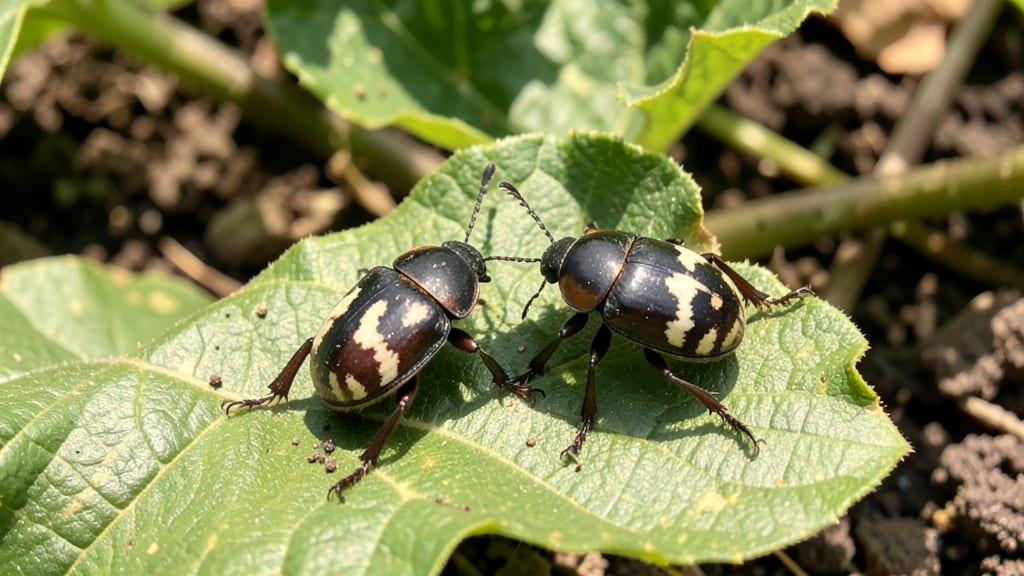
The garden pests—beetles like Japanese and Colorado potato beetles—can strip your garden bare in days—but my organic beetle barrier stops them cold within hours.
I learned this trick after watching my roses turn to lace overnight, and now I’ve perfected a system that works faster than sprays and without the mess.
The secret? A two-layer approach combining physical barriers (like row covers) and natural repellents (neem oil or kaolin clay). You won’t need fancy tools—just what’s already in your garden shed.
Most people overlook how beetles follow scent trails, so disrupting those cues is key. My method even works for garden chafer beetles, which chew through lawns like confetti.
By sunset, you’ll see fewer beetles crawling around, and within days, your plants will look like they’ve been given a second chance. The best part? This barrier keeps working for weeks without harming bees or beneficial bugs. No more reaching for toxic chemicals—just a shield that lets your garden breathe.
Works in every region, from Pacific Northwest gardens to Southern heat—just adjust the timing for beetle emergence. Here’s how to set it up before they arrive next season.
Root Causes Of Beetle Infestations
Beetles may seem like a minor annoyance, but they can quickly become a major threat to your garden if left unchecked. Understanding why these pests invade your plants is the first step in creating an effective, organic defense.
Below, we break down the key reasons beetles target your garden—and how environmental and human factors play a role.
Beetles thrive in gardens where plants are packed too closely together. Why? Dense foliage provides shelter, moisture, and easy access to food sources.
Many beetle species, like the Japanese beetle or colorado potato beetle, prefer environments where they can hide during the day and feed under the cover of leaves at night.
🔍 Science behind it:
- Microclimate control: Tightly spaced plants create a humid, shaded microclimate—ideal for beetle larvae and eggs, which require moisture to survive.
- Reduced predator access: Birds, ladybugs, and other natural predators struggle to navigate thick foliage, giving beetles a competitive edge.
- Nutrient competition: Overcrowded plants become stressed, releasing volatile organic compounds (VOCs) that attract beetles seeking weakened hosts.
💡 Actionable fix: Prune regularly to improve airflow, thin out overgrown sections, and avoid planting monocultures (single-species plantings). Intercropping with herbs like basil or marigolds can disrupt beetle feeding patterns.
Healthy plants naturally repel many pests, but when they’re stressed—due to drought, poor soil, or disease—they become beetle magnets. Root weevils, flea beetles, and Japanese beetles are particularly drawn to plants that are already struggling.
🔍 Science behind it:
- Increased sugar content: Stressed plants produce more sugars in their leaves and stems, making them tastier to beetles.
- Reduced defensive compounds: Plants under stress lower their production of alkaloids and terpenes—natural chemicals that deter pests.
- Attracting secondary pests: Weak plants are more susceptible to fungal infections or bacterial rot, which in turn attract beetles that feed on decaying matter.
💡 Actionable fix:
- Water deeply but infrequently to encourage deep root growth (beetles hate drought-stressed plants but love soggy soil).
- Amend soil with compost or worm castings to boost plant resilience.
- Apply neem oil or kaolin clay as a preventive barrier to mimic plant health signals.
Beetles are cold-blooded insects, meaning their activity levels skyrocket in warm, stable temperatures. If your garden provides the perfect temperature, humidity, and shelter, you’ll see a beetle explosion—especially during late spring and summer.
🔍 Science behind it:
- Temperature thresholds: Most garden beetles become active when soil or air temperatures reach 60–75°F (15–24°C). Japanese beetles, for example, emerge en masse when daytime highs exceed 70°F (21°C).
- Humidity and moisture: Beetle larvae prefer 60–80% humidity. Mulched beds or irrigated gardens create the perfect breeding ground.
- Seasonal cues: Many beetles time their life cycles to coincide with plant flowering (e.g., squash bugs lay eggs when cucurbits bloom).
💡 Actionable fix:
- Use row covers or floating fabric barriers in early spring to delay beetle emergence.
- Avoid overwatering—beetles seek out damp soil for egg-laying. Drip irrigation (below soil level) reduces surface moisture.
- Plant heat-tolerant varieties (e.g., pepper ‘Carmen’) that thrive in warmer conditions, making them less appealing to beetles.
Even the best-maintained gardens can become beetle hotspots due to unintentional human habits. From poor sanitation to improper storage, these actions create a beetle-friendly ecosystem.
🔍 Science behind it:
- Debris and compost piles: Beetles like darkling beetles and fire chafers thrive in decaying organic matter. A neglected compost heap can become a breeding ground.
- Stored firewood or mulch: Some beetles, such as bark beetles, bore into wood. Leaving untreated wood near gardens can introduce infestations.
- Overuse of synthetic pesticides: While these kill some pests, they also eliminate natural predators (like ground beetles and spiders), creating a vacuum that beetles rush to fill.
- Monoculture gardening: Large patches of a single plant (e.g., potatoes, roses, or corn) provide beetles with an all-you-can-eat buffet without interruption.
💡 Actionable fix:
- Keep compost hot and aerobic (turn it frequently) to deter beetle larvae.
- Store firewood at least 20 feet away from gardens and elevate it off the ground.
- Rotate crops annually and interplant with repellent herbs (e.g., tansy, garlic, or fennel).
- Use beneficial nematodes (Steinernema carpocapsae) to target beetle larvae in soil without harming plants.
By addressing these root causes—overcrowding, plant stress, climate conditions, and human habits—you’ll disrupt beetles’ ability to establish themselves in your garden. The next step? Learn how to create a fast-acting, organic barrier that deters beetles within hours.
Quick Fixes for Beetle Infestations
Beetles in your garden can feel like an unstoppable army, but with the right strategies, you can reclaim your plants in hours—not weeks! Below are targeted solutions for common beetle problems, from Japanese beetles to Colorado potato beetles, along with preventive steps to keep them away for good.
Cause: These metallic-green invaders skeletonize leaves, leaving behind a trail of destruction.
Fix It: 🍳 Set Up a DIY Trap
- Fill a bucket with soapy water and place it near affected plants.
- Add a few drops of jasmine or rose-scented soap—beetles are drawn to these smells.
- Check traps twice daily and dispose of beetles to prevent re-infestation.
👨🍳 Handpick & Drop
- Early morning or late evening, when beetles are sluggish, gently pluck them off plants.
- Drop them into a bucket of soapy water (never release them elsewhere—they’ll just relocate!).
🥘 Neem Oil Spray (Emergency Shield)
- Mix 1 tbsp neem oil + 1 tsp dish soap + 1 quart water in a spray bottle.
- Apply directly to leaves (avoid flowers to protect pollinators).
- Reapply every 3–4 days until beetles disappear.
⏰ Prevention Tip:
- Plant repellent flowers like marigolds, fennel, or geraniums around your garden’s edge.
- Avoid overwatering—beetles love damp soil.
Cause: These yellow-and-black striped beetles devour potato, tomato, and eggplant leaves, stripping plants bare in days.
Fix It: 🔪 Squash Them Daily
- Adult beetles lay eggs on the underside of leaves—check plants every 2 days.
- Crush eggs with your fingers or wipe them off with a damp cloth.
- For adults, pick them off by hand and drop them into soapy water.
🌡️ Use Row Covers Early
- Install floating row covers over young plants to block beetles before they land.
- Secure edges with soil or bricks to prevent beetles from crawling underneath.
🎯 Beneficial Nematodes (Underground Defense)
- Apply heterorhabditis bacteriophora nematodes to soil—these microscopic worms kill beetle larvae before they hatch.
- Water soil deeply after application to help nematodes spread.
✨ Prevention Tip:
- Rotate crops yearly to disrupt beetle life cycles.
- Plant trap crops like basil or nasturtiums away from main gardens to lure beetles away.
Cause: White, C-shaped grubs munch on roots, causing wilting or sudden plant death—often mistaken for drought issues.
Fix It: 💡 Milky Spore Treatment (Long-Term Fix)
- Apply Bacillus popilliae (milky spore powder) to lawns in early spring or fall.
- This natural bacteria targets grub populations over 1–3 years.
- Water lightly after application to activate spores.
🔥 Birds & Ducks (Free Pest Control!)
- Encourage robins, starlings, or ducks—they love munching on grubs.
- Sprinkle birdseed in affected areas to attract them.
🌱 Healthy Soil = Fewer Grubs
- Aerate compacted soil and reduce synthetic fertilizers (grubs thrive on excess nitrogen).
- Overseed with grass in thin patches to crowd out grub-friendly weeds.
✨ Prevention Tip:
- Test soil moisture—grubs hate dry conditions. Water deeply but avoid over-saturation.
For immediate protection, combine these three layers for a 24-hour shield:
- Physical Barrier – Cover plants with lightweight row fabric (secured tightly).
- Smell Distraction – Place crushed garlic or chili pepper sprays around the garden’s perimeter.
- Water Spray – Blast beetles off plants with a strong hose stream in the early morning.
Pro Tip: 🌿 Rotate methods every few days to prevent beetle resistance. Most organic solutions work best when applied consistently—not just during outbreaks!
Frequently asked questions
What are the most destructive garden beetles I should watch for?
The worst offenders include Japanese beetles (metallic green with copper wings), Colorado potato beetles (yellow with black stripes), and garden chafer beetles (shiny brown/black). These three can defoliate plants in days. Look for skeletonized leaves or chewed foliage as early warning signs.
How do I tell if beetle damage is from adults or larvae?
Adult beetles chew irregular holes in leaves (often along edges), while larvae cause different damage: grubs (white C-shaped) eat roots, leading to wilting, and larvae of Japanese beetles create brown, frass-covered tunnels in soil. Check both leaves and soil to diagnose properly.
Are there any beetles that actually help my garden?
Yes! Ground beetles (shiny black/blue) hunt pests like slugs and caterpillars, while ladybird beetles (spotted red/black) devour aphids. Leave leaf litter and mulch near plant bases to attract these beneficial allies. Avoid pesticides that harm them.
Will homemade sprays really work against beetles?
Some do—neem oil (1 tbsp + 1 tsp soap per quart water) disrupts beetle feeding, while garlic/chili sprays (blended with water) mask plant scents. For best results, apply early morning when beetles are active, and reapply every 3-4 days. Test on a small leaf first.
How long does it take to see results from organic beetle barriers?
Physical barriers like row covers work immediately (within hours), while natural repellents (neem, kaolin clay) show effects in 3-7 days with consistent use. Biological controls (nematodes, milky spore) take 2-4 weeks to fully establish. Patience pays off—combine methods for faster results!