Vegetables
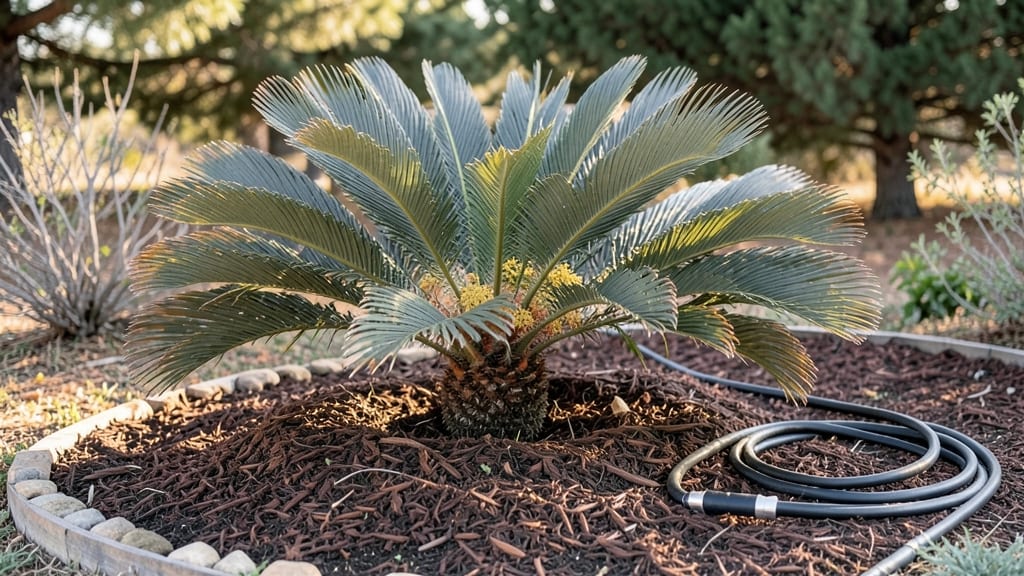
Gainesville's subtropical climate turns gardening into a year-round adventure with perennials that thrive without fuss. 🌿 I've learned the hard way that choosing the right plants means fewer water bills, no dead zones, and blooms that last from spring through winter.
The key is picking native or heat-tolerant varieties that handle Gainesville's humidity and occasional droughts without breaking a sweat.
My go-to list starts with firebush for bold red blooms, salvia for butterflies, and coreopsis for golden cheer—all drought-resistant once established. Local nurseries like Gainesville Garden Club Nursery stock these and more, with staff who know exactly what grows best here.
You'll find everything from 3-gallon pots to bare-root plants, perfect for filling beds or containers.
What you end up with is a garden that stays lush even when others wilt. The firebush stays vibrant through three seasons, salvia attracts pollinators year-round, and coreopsis keeps blooming until frost.
Plus, you spend half the time watering compared to annuals. The best part? These plants multiply over time, giving you free plants to share or replant.
For inspiration, visit Kanapaha Botanical Gardens or join the Alachua County Master Gardeners for tours that show real Gainesville gardens in action. Their free workshops cover everything from soil prep to pest control—local knowledge that makes all the difference in our climate.
📚 In This Guide
- What you need
- Instructions
- Tips and common mistakes
- Wrapping up and next steps
What you need
- ● Perennial Plants: Choose Gainesville-friendly varieties like Black-Eyed Susans, Coneflowers, Salvias, or Daylilies (3–5 plants per type for full coverage).
- ● Soil Amendments: 1–2 bags of compost (for nutrient-rich soil).
- ● 1 bag of peat moss or pine bark fines (for drainage).
- ● Mulch: 2–3 cubic feet of pine straw or shredded bark (to retain moisture and suppress weeds).
- ● Garden Tools: 1 hand trowel (for planting small perennials).
- ● 1 garden fork (for loosening soil).
- ● 1 pruners (for trimming dead foliage).
- ● 1 watering can or hose with a gentle nozzle.
- ● Prerequisites: A sunny or partially shaded spot (6+ hours of sunlight for most perennials).
- ● Well-draining soil (test pH—aim for 6.0–7.0).
- ● Access to water (drip irrigation or soaker hoses work best).
- ● 1 garden kneeler or pad (for comfort).
- ● 1 wheelbarrow (for hauling soil/mulch).
- ● Organic fertilizer (e.g., bone meal or fish emulsion, 1–2 applications/year).
- ● Decorative garden stakes or rocks (for aesthetics).
- ● Native plant guidebook (for Gainesville-specific tips).
Step-by-step guide to designing a low-maintenance Gainesville perennial garden
Here's how to create a vibrant, year-round landscape that thrives in Gainesville's climate with minimal effort.
🌱 Step 1: Select Native Perennials for Year-Round Interest
Gainesville's climate thrives with native perennials that provide seasonal color without constant maintenance. I focus on plants like Blackfoot Daisy for summer blooms, Coreopsis for golden autumn displays, and Salvia varieties that attract pollinators year-round. These plants have deep root systems that conserve water and resist our region's humidity.
The key is layering plants by height and bloom time. Start with 3-4 inch tall ground covers like Frogfruit in the front, then add 12-18 inch mid-height plants like Blanket Flower, and finish with 3-4 foot tall statement plants like Firebush at the back. This creates visual interest while keeping maintenance simple.
🪴 Step 2: Prepare the Soil for Gainesville's Clay-Like Texture
Gainesville's native soil often compacts into a heavy, clay-like texture that drains poorly. I always amend the soil with 2-3 inches of organic compost mixed into the top 6-8 inches of soil. This improves drainage while providing essential nutrients for your perennials.
For existing gardens, I use a broadfork to loosen compacted soil without bringing up weeds. Test your soil's pH—most native perennials prefer a slightly acidic to neutral range of 6.0-7.0. If needed, add sulfur to lower pH or lime to raise it, following package instructions carefully.
☀️ Step 3: Design for Gainesville's Microclimates
Gainesville's landscape varies dramatically within short distances. I divide my garden into zones based on sun exposure: full sun areas (6+ hours), partial shade (3-6 hours), and deep shade (less than 3 hours). This allows me to place the right plants in the right spots without fighting environmental stress.
For sun-loving perennials, I position them where they'll receive morning sun and afternoon shade during our hottest months. In shadier areas, I plant moisture-loving varieties like Virginia Sweetspire that thrive in Gainesville's humid conditions. Always observe your garden throughout the day to understand how sunlight patterns change.
💧 Step 4: Implement Water-Efficient Irrigation
Once established, most native perennials need minimal watering, but proper irrigation during the first year is crucial. I install a drip irrigation system that delivers water slowly at the soil level, reducing evaporation and runoff. Set your system to water deeply 2-3 times per week during the first year, then gradually reduce to once per week once plants are established.
Mulch heavily with 3-4 inches of wood chips or pine straw to conserve moisture and suppress weeds. The mulch layer should extend 2-3 inches from plant stems to prevent rot while keeping roots cool. In Gainesville's heat, this makes a dramatic difference in plant survival rates.
⏰ Step 5: Schedule Seasonal Maintenance Tasks
Low-maintenance doesn't mean no maintenance—just strategic timing. I schedule three major tasks each year: early spring cleanup, mid-summer deadheading, and autumn mulching. In spring, I remove dead foliage and add fresh compost. Summer deadheading encourages continuous blooming, while autumn mulching protects roots during cooler months.
Watch for aphids or whiteflies on new growth—they're the most common pests in Gainesville gardens. I treat infestations with neem oil applied in the early morning to avoid harming beneficial insects. Regularly inspect leaves for signs of stress, which often indicates watering or soil issues rather than pest problems.
Tips & tricks for perfect Gainesville perennial gardens
A few game-changing strategies that'll transform your Gainesville garden into a thriving, low-maintenance paradise without the constant upkeep.
Native Plant Pairing: The secret to year-round color lies in strategic plant combinations. Pair your Blackfoot Daisy with Salvia varieties—their staggered bloom times create continuous visual interest. I always add Coreopsis nearby for its golden autumn displays, which complement the deep blues of Salvia. This layered approach ensures you never have a dull season!
Soil Science: Gainesville's clay-heavy soil needs special attention. After mixing in that 2-3 inches of organic compost into the top 6-8 inches, I add a handful of perlite or coarse sand to improve drainage. This creates the perfect balance—enough moisture retention for our humidity but with proper aeration. Test your soil's pH again after amending; most native perennials thrive in that 6.0-7.0 range, but some like Firebush prefer slightly acidic soil.
Sunlight Strategy: Don't just guess at sun exposure—actually observe your garden throughout the day. I mark my yard with stakes to track sunlight patterns, especially during our intense summer afternoons. This helps me position sun-lovers like Blanket Flower where they'll get morning sun but afternoon shade. In shadier spots, I plant Virginia Sweetspire which handles Gainesville's humidity beautifully while thriving in partial shade.
Watering Wisdom: That 2-3 times per week watering schedule during the first year is non-negotiable, but there's a trick to make it even more effective. Water deeply in the early morning (before 9am) to reduce evaporation and fungal risks. Once established, most perennials only need that once per week watering, but I always check soil moisture by sticking my finger 2 inches down—if it's dry, water; if damp, hold off. This prevents both underwatering and overwatering.
Pro Tips for Gardens In Gainesville
- A few game-changing strategies that'll transform your Gainesville garden into a thriving, low-maintenance paradise without the constant upkeep.
- Native Plant Pairing: The secret to year-round color lies in strategic plant combinations.
- Soil Science: Gainesville's clay-heavy soil needs special attention.
Frequently asked questions
Got questions about creating a stunning, low-maintenance garden in Gainesville? Here are answers to some of the most common ones—because every gardener deserves a little clarity!
What are the best low-maintenance perennials for Gainesville’s climate?
Gainesville’s humid subtropical climate thrives with perennials like black-eyed Susans, coneflowers, salvias, and shrub roses. These plants handle heat, humidity, and occasional drought once established. Local nurseries can help you pick varieties that fit your soil type!
How often should I water my Gainesville garden in summer?
Newly planted perennials need deep watering 2–3 times per week during summer’s peak heat (June–August). Once established (after 6–12 months), most perennials only need 1 inch of water weekly. Mulch (2–3 inches) retains moisture and reduces evaporation—pro tip: water early morning to prevent fungal issues!
Can I grow vegetables alongside perennials in Gainesville?
Companion planting
works well in Gainesville. Try pairing tomatoes or peppers with basil or marigolds near perennials like roses or lavender. Just avoid overcrowding—leave 18–24 inches between veggies and perennials for airflow. Succession planting keeps your garden productive year-round!
What’s the best time to plant perennials in Gainesville?
For spring blooms, plant perennials in fall (September–November) or early spring (February–March). This gives roots time to establish before summer heat. Fall planting is ideal—cooler temps reduce stress, and rain helps hydrate new plants. Pro tip: Avoid planting in peak summer (June–July) unless using shade cloth!
How do I deal with pests in a low-maintenance Gainesville garden?
Prevention is key! Healthy soil (rich in compost) and diverse plantings deter pests naturally. For common issues:
- Aphids: Spray with soapy water or introduce ladybugs.
- Deer: Use repellent sprays or plant deer-resistant perennials like yarrow or Russian sage.
- Fungal diseases: Improve drainage and avoid overhead watering.
Are there any Gainesville-specific gardening resources or workshops?
Yes! Check out:
- UF/IFAS Extension Alachua County – Offers free workshops on native plants and pest control.
- Gainesville Garden Club – Hosts community events and plant swaps.
- Local nurseries like Gainesville Garden Center or The Native Nursery for expert advice.
Wrapping up and next steps
Transforming your Gainesville garden into a vibrant, low-maintenance haven is easier than you think! 🌸 With the right perennials—like black-eyed Susans, salvias, and coneflowers—you’ll enjoy year-round color while keeping upkeep simple. These hardy plants thrive in Gainesville’s climate, offering beauty and resilience with minimal effort.
Ready to get started? Take the next step:
- Sketch a simple layout of your garden space.
- Visit a local nursery to pick out your perennials.
- Plant with confidence—your future garden will thank you!