How To
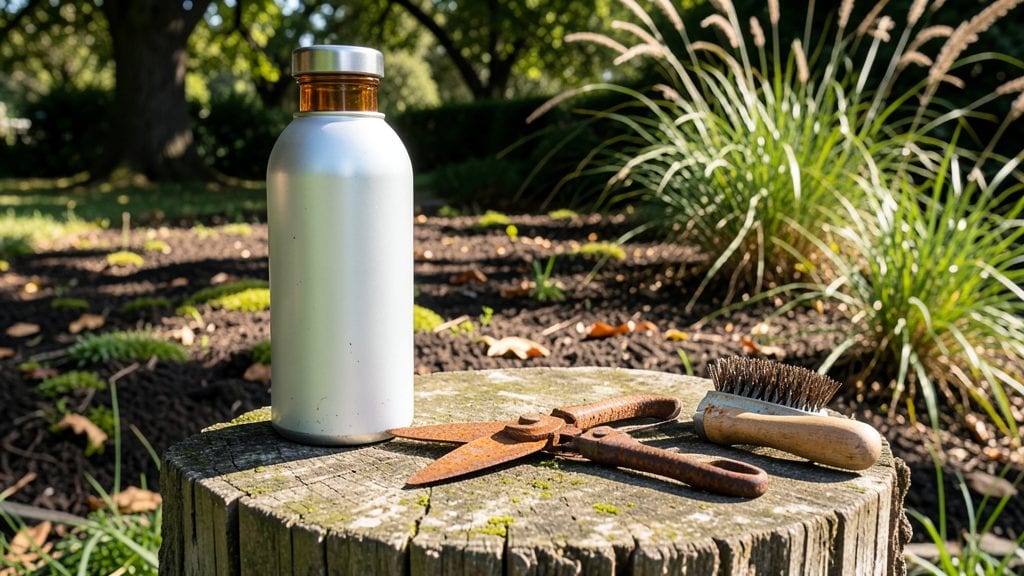
Getting rust off garden tools without ruining the metal feels like an impossible battle—until you try a simple vinegar soak that leaves them looking almost new. ✨ I’ve saved countless tarnished pruners, shovels, and shears this way, and the process takes less than an hour.
The key is the right mix of acid, time, and elbow grease to strip rust without damaging the tool’s finish.
Rust forms when tools sit damp in storage or get caught in rain without drying, creating that ugly orange crust that weakens metal over time. Most people grab wire brushes or harsh chemicals, but vinegar’s acid cuts through rust gently while being safe for most tool materials.
You’ll need white vinegar, a bucket, some patience, and maybe a little scrubbing—no fancy equipment required.
By the end of the soak, your tools will shine with a clean, stainless-like finish that lasts longer than store-bought polishes. The vinegar breaks down rust flakes effortlessly, and the tools stay sharp and functional for seasons of digging, pruning, and planting.
Once you try this, you’ll never let rust take over your tool shed again.
Works for everything from pruners to trowels, and the same method keeps tools rust-free when you store them dry and apply a light coat of oil after cleaning. Let’s get those tools gleaming again—no more hiding them in shame!
The science behind tool rust
Rust isn’t just an unsightly nuisance—it’s a chemical reaction that slowly dismantles your garden tools. Understanding why it happens is the first step to preventing it. Below, we break down the key causes with clear explanations and actionable insights.
Rust forms when iron or steel (common in garden tools) reacts with oxygen in the air—a process called oxidation. This happens naturally over time, but certain conditions accelerate it.
- The Reaction: When iron (Fe) meets oxygen (O₂) and water (H₂O), it forms iron oxide (Fe₂O₃), the reddish-brown compound we call rust.
The chemical equation is: 4Fe + 3O₂ + 6H₂O → 4Fe(OH)₃ (which later dehydrates to rust). - Why It’s Worse Outdoors: Humid air and moisture speed up oxidation.
Tools left damp after use or stored in wet sheds are prime targets. - Actionable Fix: Dry tools thoroughly after use and store them in a dry, ventilated space.
Water is the catalyst that turns oxygen into rust. Even a thin film of moisture can trigger corrosion.
- Salt and Minerals: If your tools come into contact with saltwater, soil minerals, or even de-icing salts (from nearby driveways), they accelerate rust by creating an electrolyte solution that conducts corrosion.
- Condensation: Tools stored in sealed containers (like plastic bags) trap moisture, leading to rust even if they appear dry.
- Actionable Fix:
- Rinse tools with fresh water after use to remove salt/minerals.
- Use a dehumidifier or silica gel packets in your tool storage.
- Wipe down tools with a dry microfiber cloth after washing.
Soil isn’t neutral—it’s often acidic or alkaline, and both extremes can corrode metal.
- Acidic Soil (pH < 7): Common in gardens with peat or pine needles, acidic conditions dissolve the protective oxide layer on metal, exposing fresh iron to rust.
- Alkaline Soil (pH > 7): Found in areas with limestone or high chalk content, alkaline environments can also break down metal coatings over time.
- Actionable Fix:
- After use, soak tools in mild vinegar (5% acetic acid) to neutralize acidity.
- For alkaline exposure, a baking soda rinse can help balance pH before storage.
How you store tools directly impacts their lifespan. Common mistakes include:
- Stacking Tools Improperly: Tools touching each other can create micro-scratches, exposing fresh metal to oxygen.
- Storing in Direct Sunlight: UV rays degrade protective coatings (like paint or oil) faster, leaving metal vulnerable.
- Lack of Corrosion Inhibitors: Tools left bare or with faded factory coatings rust 3–5x faster than those treated with oil or rust inhibitors.
- Actionable Fix:
- Use wooden pegboards or hanging racks to keep tools separated.
- Apply a thin layer of mineral oil or WD-40 before storage to create a barrier.
- Store tools in a shaded, dry cabinet (not a damp basement or garage corner).
Not all metals rust at the same rate. Here’s how your tools’ materials stack up:
| Material | Rust Risk | Why? |
|---|---|---|
| Carbon Steel | ⭐⭐⭐⭐⭐ | High iron content = high rust potential. |
| Stainless Steel | ⭐⭐ | Chromium in the alloy resists oxidation (but not invincible!). |
| Cast Iron | ⭐⭐⭐⭐ | Porous surface traps moisture; prone to surface rust. |
| Aluminum | ⭐ | Doesn’t rust (forms a protective oxide layer instead). |
| Galvanized Steel | ⭐⭐⭐ | Zinc coating protects, but scratches expose iron underneath. |
- Actionable Fix:
- For carbon steel tools, prioritize regular cleaning and oiling.
- Stainless steel tools still need care—scratches can pit over time.
- Cast iron tools (like trowels) benefit from seasoning (applying oil to pores).
Pollution isn’t just bad for the air—it’s bad for your tools too.
- Sulfur Compounds: From car exhaust or industrial areas, sulfur forms sulfuric acid when mixed with moisture, eating away at metal faster than plain rust.
- Chlorine: Pool water or bleach residues can strip protective layers and leave tools vulnerable.
- Actionable Fix:
- Rinse tools with clean water after exposure to pollutants.
- Apply a light coat of car wax or silicone spray for extra protection in polluted areas.
Rust is a team effort—oxygen, water, and poor maintenance team up to destroy your tools. But now that you know the science, you can outsmart it with simple habits like drying, oiling, and smart storage.
The next step? Learn how to remove existing rust and restore your tools to like-new condition.
Quick Fixes for Rusty Tools
Now that you know why rust forms on your garden tools, let’s tackle it with solutions tailored to the cause. Whether your tools are lightly spotted or severely corroded, these methods will restore them to near-new condition—without breaking the bank or your back.
If your tools have just a few reddish spots or surface rust, these quick fixes will work wonders with minimal effort.
🍳 Vinegar Soak (Best for Stainless-Like Shine)
Why it works: Vinegar’s acetic acid dissolves rust at a molecular level while leaving metal clean and slightly protected.
How to do it:
- Fill a bucket or large container with equal parts white vinegar and warm water (e.g., 1 gallon vinegar + 1 gallon water).
- Add a tablespoon of baking soda to boost cleaning power (optional but helpful).
- Submerge your tools completely and let them soak for 1–4 hours, depending on rust severity.
- Scrub gently with a stiff brush or steel wool (0000 grade) to lift stubborn spots.
- Rinse with water, dry thoroughly, and apply a light coat of mineral oil to prevent future rust.
✨ Pro Tip: For extra shine, add a squeeze of lemon juice to the vinegar mix—it enhances rust removal and leaves tools smelling fresh!
If your tools are pitted, flaky, or covered in thick orange layers, you’ll need a more aggressive approach.
🔪 Sandblasting or Wire Brush (For Stubborn Corrosion)
Why it works: Physical abrasion removes deep rust layers that chemicals alone can’t tackle.
How to do it:
- Wear gloves and safety goggles—rust dust is harmful if inhaled.
- Use a wire brush attachment on a drill or a sandblaster for large tools.
- Scrub in circular motions, focusing on pitted areas.
- Wipe clean with a damp cloth to remove debris.
- Soak in vinegar or a commercial rust converter (like Naval Jelly) for 30 minutes to neutralize remaining rust.
- Dry completely and apply a rust-inhibiting primer before repainting or oiling.
💡 Pro Tip: If sandblasting isn’t an option, electrolyte cleaning (using a battery charger as a power source) can work for metal tools—just Google “electrolyte rust removal” for DIY instructions!
The best “fix” is stopping rust before it starts. Here’s how to keep your tools rust-free long-term:
| Cause | Prevention Fix | How Often |
|---|---|---|
| Moisture exposure | Dry tools immediately after use. | After every use |
| Lack of storage | Store in a dry place (e.g., shed, garage). Use tool racks to allow airflow. | Ongoing |
| Dirt buildup | Clean tools with a brush after use. | After every use |
| No protective coating | Apply mineral oil, WD-40, or beeswax after cleaning. | Every 1–2 months |
| Storing wet tools | Never leave tools outside in rain/snow. | Always |
🌡️ Extreme Climate? If you live in a humid or coastal area, spray tools with a light coat of rust converter (like Por-15) every few months for extra defense.
Not all rusty tools are worth saving. Replace tools if:
- The metal is pitted beyond repair (safety risk).
- The handle is rotted or cracked (common with wooden handles).
- The tool is structurally weakened (e.g., rusted pruners that won’t close properly).
For most other cases, a little elbow grease and the right method will bring them back to life!
Frequently asked questions
Can I use Coca-Cola to remove rust from my garden tools?
The phosphoric acid in Coke can dissolve rust, but it’s not as effective as vinegar and leaves a sticky residue. For best results, use a 1:1 vinegar-water mix instead—it’s safer, cheaper, and rinses clean. If you try Coke, soak tools for 24 hours and scrub thoroughly afterward.
Will baking soda alone remove rust without vinegar?
Baking soda is a mild abrasive that helps scrub away surface rust when mixed with water, but it won’t dissolve deep corrosion like vinegar does. For stubborn spots, combine it with vinegar for a chemical + physical attack. Always rinse tools well after using baking soda to avoid residue buildup.
How do I prevent rust on tools with wooden handles?
Wooden handles absorb moisture, creating the perfect environment for rust. After each use, wipe handles with a damp cloth, let them dry completely, and apply a thin coat of linseed oil to seal the wood. Store tools upright in a dry, ventilated rack to prevent handle-to-metal contact.
Is it safe to use a power drill with a wire brush on rusted tools?
Yes, but take precautions! Wear safety goggles and a dust mask—rust particles are harmful if inhaled. Use a wire brush attachment on low speed to avoid damaging tool edges. For delicate tools like pruners, hand-scrubbing with steel wool (0000 grade) works better and reduces risk.
Can I reuse rusty tools after treatment?
Only if the metal isn’t pitted or structurally weakened. After cleaning, check for deep grooves or cracks—these compromise safety. For tools with surface rust only**, a vinegar soak and oiling will restore them safely. Replace tools if rust has eaten through the metal or handles are rotted.