
Companion Plants
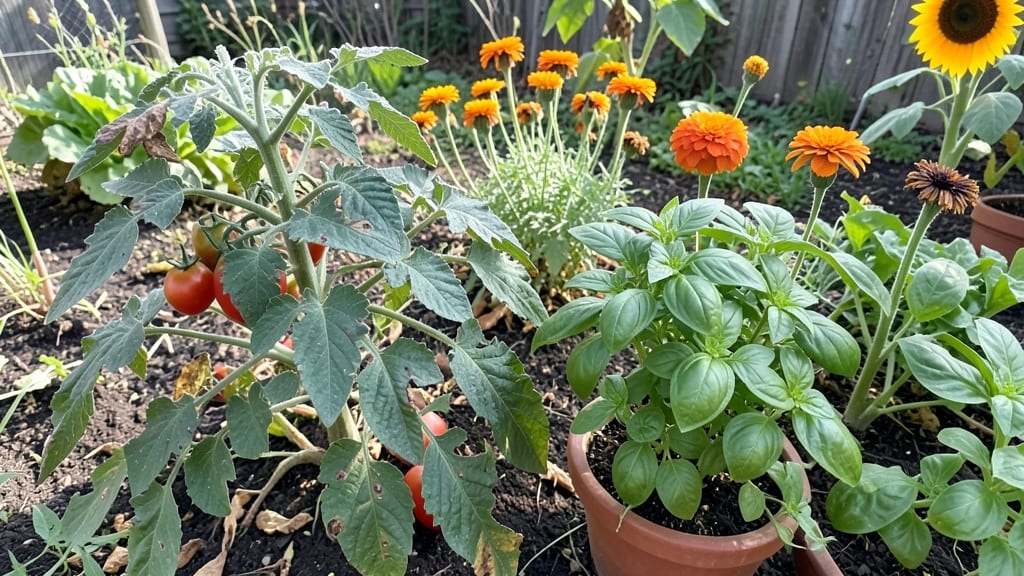
My home garden plants are the ones that bring bees buzzing in May and keep them coming until frost—pollinator-friendly blooms that don’t just survive the season but thrive.
The secret isn’t fancy tools or rare seeds; it’s matching the right plants to your light, soil, and space, then letting them do their thing. I’ve learned that even small patches can become buzzing hotspots with the right mix.
Start with sun-loving perennials like coneflowers and milkweed—they return year after year with almost no fuss. For containers or shady spots, try bee balm or salvia, which pack color without needing constant care.
The key is layering plants that bloom at different times: early spring for lupines, summer for black-eyed Susans, and fall for astors. Even a 5-gallon pot on your patio can support a dozen bees if you pick the right varieties.
By mid-summer, your garden won’t just look alive—it’ll hum with activity. You’ll see monarchs on milkweed, bumblebees diving into coneflowers, and hummingbirds hovering over salvia. The best part?
These plants handle drought once established and come back stronger every year. No dead zones, no sad wilting—just a nonstop pollinator buffet from spring to fall.
Works for city balconies, rural acres, or anything in between. The only rule is to plant what your local bees love—check your state’s native plant guides for the best matches. Ready to turn your yard into a pollinator paradise? Let’s get growing.
📚 In This Guide
- What you need
- Instructions
- Tips and common mistakes
- Wrapping up and next steps
What you need
- ● Seeds or young plants: Choose a mix of native perennials and annuals like bee balm, coneflowers, lavender, milkweed, and sunflowers. Aim for 3–5 plants per variety to ensure continuous blooms.
- ● Potting soil or compost: 2–3 cubic feet per plant (or pre-mixed pollinator-friendly soil blend).
- ● Organic fertilizer: Slow-release granular (e.g., 10-10-10) or compost tea for a nutrient boost.
- ● Mulch: 1–2 inches of shredded bark or straw to retain moisture and suppress weeds.
- ● Garden trowel or spade (for digging holes 2–3x wider than the root ball).
- ● Pruning shears (for trimming dead blooms and shaping plants).
- ● Watering can or hose with a gentle nozzle (pollinators prefer deep but infrequent watering).
- ○ Gloves (optional but handy for thorny plants like roses or black-eyed Susans).
- ● Measuring tape or ruler (to space plants 12–36 inches apart, depending on variety).
- ● Sunlight: 6+ hours of direct sun daily (most pollinator plants are sun-lovers!).
- ● Well-draining soil: Amend clay soil with sand or perlite if needed.
- ● Water source: A shallow dish with pebbles (for bees) or a drip irrigation system.
- ● Patience: Some perennials (like milkweed) take 2–3 years to reach full bloom.
- ● Pollinator hotel (for solitary bees—DIY with bamboo tubes or a wooden box).
- ● Native plant guide (check local nurseries for region-specific recommendations).
- ● Plant markers (to track varieties and blooming seasons).
- ● Pest deterrents: Neem oil or companion plants like marigolds to repel aphids.
Instructions for planting and maintaining a thriving pollinator garden
Here’s how to create a vibrant, bee- and butterfly-friendly garden that blooms from spring through fall.
Select and Prepare Planting Locations
Choose a sunny spot with at least 6 hours of direct sunlight daily—most pollinator plants thrive in full sun. If your garden has partial shade, opt for shade-tolerant varieties like asters or coneflowers. Divide your space into clusters of 3-5 plants per type to create visual appeal and attract more pollinators.
Test your soil’s drainage by digging a 6-inch hole, filling it with water, and timing how long it takes to drain. If water pools after 30 minutes, amend the soil with 2-3 inches of compost to improve aeration. Pollinators prefer well-draining soil, as soggy roots invite fungal diseases that weaken plants.
Plant a Diverse Mix of Annuals and Perennials
For year-round blooms, combine annuals like zinnias and cosmos with perennials such as black-eyed Susans and bee balm. Plant 3-4 seeds per hole at a depth of ¼ inch—thinning later ensures stronger stems. Space seedlings 12-18 inches apart to allow airflow and reduce disease risk.
Group plants by bloom time: early spring (crocus, bleeding heart), midseason (lavender, salvia), and late summer (goldenrod, sedum). This staggered approach ensures continuous nectar sources for pollinators. Water deeply after planting to settle the soil and encourage root growth.
Mulch and Water for Healthy Growth
Apply 2-3 inches of organic mulch (like shredded bark or straw) around plants to retain moisture and suppress weeds. Keep mulch 2 inches away from stems to prevent rot. Water 1-2 inches per week, focusing on the soil—not the leaves—to avoid fungal issues.
Check soil moisture by pressing a finger 1 inch deep. If it feels dry, water thoroughly. Drip irrigation or soaker hoses are ideal—they deliver moisture directly to roots without wetting foliage. Avoid overhead watering, which can spread diseases like powdery mildew.
Prune and Deadhead for Prolonged Blooms
Deadhead spent blooms weekly to encourage new flowers and extend the season. Use clean, sharp pruners to cut back ⅓ of the plant’s height in early spring, promoting bushier growth. For perennials, remove dead foliage in late winter to make room for fresh shoots.
Leave some seed heads standing in fall—they provide food for birds and overwintering insects. Prune back woody stems in late winter to prevent disease buildup. Avoid cutting into old growth, as it may harbor beneficial insects.
Monitor and Protect Pollinators
Inspect plants weekly for pests like aphids or spider mites, which can deter pollinators. Spray with neem oil or introduce ladybugs for natural control. Avoid chemical pesticides—they harm bees and butterflies.
Add a small water source, like a shallow dish with pebbles, to help pollinators stay hydrated. Place it near flowers but out of direct sun to prevent evaporation. Your garden will become a haven for bees, butterflies, and hummingbirds within 4-6 weeks of planting.
Tips & tricks for perfect pollinator-friendly garden planting
Creating a thriving pollinator garden takes more than just planting flowers—it’s about strategic planning and ongoing care that maximizes both beauty and ecological impact.
The Sunlight Secret: While most pollinator plants need full sun, don't assume every sunny spot is equal. Test your garden's microclimates by observing how sunlight shifts throughout the day. Morning sun is gentler and better for heat-sensitive varieties like lavender, while afternoon sun works better for sun-lovers like black-eyed Susans. I've found that grouping plants with similar sun requirements in clusters of 3-5 creates more reliable blooms and attracts more pollinators.
Soil Science: The 30-minute drainage test in Step 1 is your most important diagnostic tool. If water pools beyond this time, you're not just dealing with poor drainage—you're creating conditions that invite fungal diseases. For heavy clay soils, consider raised beds filled with a mix of native soil, compost, and perlite. This creates the ideal well-draining environment pollinators prefer while preventing root rot that weakens plants.
Seasonal Layering Strategy: The staggered bloom time approach in Step 2 deserves special attention. I recommend creating a visual calendar marking when each plant will flower. For example, plant crocus in early spring, lavender in midseason, and sedum in late summer. This ensures you never have a "bloom gap" where pollinators lose their food sources. The key is to overlap bloom times by at least 2-3 weeks between varieties.
Watering Wisdom: The 1-2 inches per week guideline is perfect, but timing matters just as much as quantity. Water in the early morning when evaporation is lowest and pests are least active. I've noticed that drip irrigation systems placed at the base of plants (2 inches from stems) dramatically reduce fungal issues while keeping roots consistently moist. The finger test for soil moisture—pressing 1 inch deep—is your best indicator of when to water, especially during summer heatwaves.
Pro Tips for Home Garden Plants
- Creating a thriving pollinator garden takes more than just planting flowers—it’s about strategic planning and ongoing care that maximizes both beauty and ecological impact.
- The Sunlight Secret: While most pollinator plants need full sun, don't assume every sunny spot is equal.
- Soil Science: The 30-minute drainage test in Step 1 is your most important diagnostic tool.
Frequently asked questions
Got questions about growing pollinator-friendly plants in your home garden? You’re not alone! Here are some of the most common queries—and straightforward answers—to help you create a buzzing, blooming haven.
What are the easiest pollinator-friendly plants for beginners?
Start with bee balm, coneflowers, or marigolds—they’re hardy, low-maintenance, and irresistible to bees and butterflies. Lavender is another winner; it thrives in poor soil and repels pests while attracting pollinators. Pro tip: Choose native plants when possible—they’re already adapted to your climate!
How do I keep my pollinator garden blooming all season?
Layer plants with successive blooming times: Start with early spring bloomers like crocuses, transition to summer favorites (black-eyed Susans), and end with fall asters or goldenrod. Herbs like dill and fennel also attract pollinators and extend your garden’s appeal. Water consistently but avoid overwatering—pollinators prefer slightly dry soil!
Are there pollinator-friendly plants that also repel pests?
Basil, mint, and catnip double as pest deterrents while luring bees and butterflies. Nasturtiums fend off aphids, and calendula keeps pests at bay with its strong scent. Plant them near vulnerable veggies (like tomatoes) for a natural defense. Bonus: Their bright blooms add color and function!
What should I do if my plants aren’t attracting pollinators?
First, check for pesticides or herbicides—even "natural" sprays can harm pollinators. Ensure your garden has shady spots and water sources (a shallow dish with pebbles works!). If blooms aren’t abundant, try deadheading spent flowers to encourage regrowth. Patience helps: It can take 2–3 weeks for pollinators to discover a new garden!
Can I grow pollinator plants in containers or small spaces?
Yes! Opt for compact varieties like dwarf coneflowers, window-box-friendly alyssum, or strawberries (which attract bees and produce fruit). Use deep pots (12+ inches) for root space and ensure they’re placed where pollinators can access them. Herbs like thyme or oregano also thrive in containers and draw in beneficial insects.
Still stumped? Drop your question in the comments—we’re happy to help your garden become a pollinator paradise!
Wrapping up and next steps
Transforming your home garden into a buzzing haven for pollinators is easier—and more rewarding—than you think! 🌸 With the right season-long bloomers like coneflowers, milkweed, and bee balm, you’ll create a thriving ecosystem that supports bees, butterflies, and hummingbirds all year round.
Plus, these plants are tough, low-maintenance, and packed with beauty—so you’ll enjoy the benefits (and the blooms!) for seasons to come.
Ready to get started? Pick one or two plants from this list, grab your gardening gloves, and visit our step-by-step planting guide to turn your space into a pollinator paradise. Every seed you plant is a step toward a greener, happier world—so why wait? 🌍✨