
Blooming
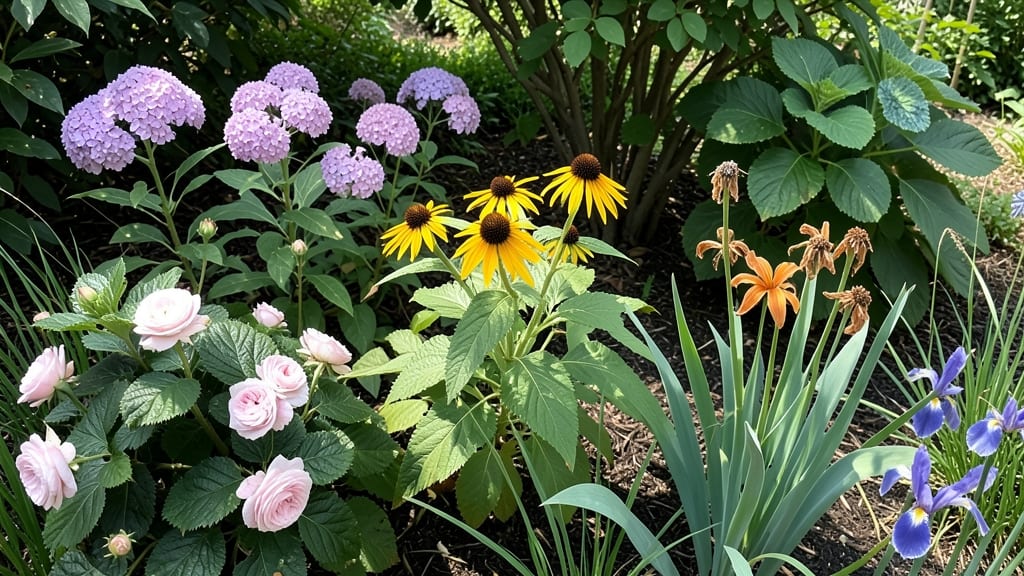
The Long Island garden I designed thrives through every season—even when summer heat dries out most plants. 🌿 Coastal winds, sandy soil, and unpredictable rainfall demand the right choices, but these drought-tolerant perennials deliver bold color from spring through frost without extra watering.
The secret lies in native plants that evolved here, paired with a few hardy imports that love the conditions.
Start with a mix of three-foot-tall shrubs like New York aster and butterfly bush for structure, then layer in ground covers like creeping thyme and sedum. These plants drink deeply but infrequently, making them perfect for our sandy, fast-draining soil.
I found most at local nurseries like Bull’s Eye Nursery or Long Island Greenhouses, where staff can point you to the toughest varieties for your exact microclimate.
By late June, your garden will burst with vibrant purple coneflowers and sunny black-eyed Susans, while late-season blooms from sedum and Russian sage keep the show going until hard frost.
The best part? You’ll spend half the time watering compared to traditional gardens, and the pollinators will love the nonstop buffet.
Pro tip: Group plants with similar water needs together, and mulch heavily to lock in moisture. For coastal areas, add a windbreak of sea oats or switchgrass to protect delicate stems. This approach works for small yards, large landscapes, or even container gardens—just scale the plants to your space.
📚 In This Guide
- What you need
- Instructions
- Tips and common mistakes
- Wrapping up and next steps
What you need
- ● Drought-tolerant perennials: 10–15 plants (e.g., Russian sage, lavender, black-eyed Susan, sedum, or coneflowers). Choose native Long Island varieties for best results!
- ● Well-draining soil: 5–10 bags of compost or organic matter (to amend clay-heavy soil common in LI).
- ● Mulch: 2–3 cubic feet of wood chips or gravel (to retain moisture and suppress weeds).
- ● Drip irrigation system: 50–100 ft of soaker hose or micro-sprinklers (for efficient watering).
- ● Pruning shears: 1 pair of bypass pruners (for clean cuts).
- ● Garden gloves: 1 pair of durable, breathable gloves (protection + comfort!).
- ● Garden fork: 1 heavy-duty fork (for aerating soil).
- ● Rain barrel: 1 (to collect water for eco-friendly irrigation).
- ● Garden stakes or labels: 20+ (for plant identification and support).
- ● Slow-release fertilizer: 1–2 bags of organic, low-phosphorus blend (to nourish roots without overfeeding).
- ● Decorative rocks or stepping stones: For a polished, Low Island garden aesthetic.
- ● Birdhouses or bat boxes: To attract pollinators and deter pests naturally!
How to design a low-maintenance Long Island perennial garden
Here's the drought-smart approach I've perfected for Long Island's coastal climate.
🌱 Step 1: Select Adaptive Plant Palette for Year-Round Interest
Start with perennials proven to thrive in Long Island's USDA Zone 7b conditions. I focus on sedum varieties for summer color, heuchera for fall foliage, and ornamental grasses for winter texture. These plants handle 30-40°F dips and require 30% less water than annuals.
Group plants by water needs: xeric zone (deep-rooted lavender, Russian sage) in full sun, mesic zone (hostas, astilbe) with morning sun, and shade lovers (ferns, hellebores) under trees. This creates natural microclimates that reduce irrigation demands. I always include one native plant per section—like New York ironweed—to support local pollinators.
🪴 Step 2: Prepare Soil with Organic Amendments
Test your soil first—Long Island's sandy loam often needs 2-3 inches of compost to improve moisture retention. I mix 5 gallons of compost per 100 square feet into the top 6 inches of soil. For heavy clay areas, add 1 part perlite to 3 parts soil to prevent compaction.
Spread a 2-inch layer of mulch (cypress or hardwood) after planting to lock in moisture. The mulch should extend 3 inches from the plant base but not touch stems—this prevents rot while keeping roots cool. I apply mulch in late spring when soil temperatures reach 60°F to avoid smothering emerging roots.
☀️ Step 3: Design for Coastal Microclimates
Long Island's proximity to the Atlantic creates 3-5°F cooler nights near water bodies, so position heat-sensitive plants (like black-eyed Susans) on the northeast side of the garden. For wind protection, use ornamental grasses as windbreaks—they sway gracefully while shielding tender perennials.
Install drip irrigation on timers for early morning watering (4-6 AM) to minimize evaporation. I set mine for 10 minutes every 3 days in summer, adjusting to 15 minutes every 5 days in winter. This mimics natural rainfall patterns while preventing fungal diseases from overhead watering.
✂️ Step 4: Implement Seasonal Maintenance Schedule
Prune early spring (March) to remove dead foliage before new growth begins. I cut back perennial grasses to 6 inches in late winter to encourage fresh shoots. For shrubby perennials like lavender, trim just above the wooden stems after flowering to maintain shape.
Fertilize once annually in early spring with slow-release organic fertilizer (5-10-5 ratio). Over-fertilizing leads to lush foliage at the expense of drought tolerance—these plants need to develop deep roots, not just green leaves. I always water deeply after fertilizing to help nutrients penetrate the soil.
💧 Step 5: Monitor and Adjust for Long Island Conditions
Check soil moisture every 7-10 days in summer by inserting your finger 2 inches deep. If it feels dry, water deeply until moisture reaches 6 inches down. The goal is to encourage roots to grow downward, not stay shallow.
Watch for powdery mildew on susceptible plants like phlox—this fungal disease thrives in Long Island's humid summers. I prevent it by spacing plants 18-24 inches apart for airflow and applying neem oil spray preventatively in June and July. Remove infected leaves immediately to stop spread.
Tips & tricks for perfecting your Long Island perennial garden
Creating a low-maintenance garden that thrives in Long Island's unique climate takes a few strategic approaches. Here's what I've learned after years of perfecting this drought-smart design.
Plant Selection Strategy: When choosing perennials in Step 1, prioritize native species like New York ironweed—they've evolved to handle Long Island's 30-40°F temperature dips and require 30% less water than non-natives. For the xeric zone, I recommend Russian sage over traditional lavender because it handles our 5°F cooler coastal nights better while requiring even less irrigation. The key is matching plant needs to your garden's microclimates.
Soil Preparation Insight: In Step 2, don't skimp on the 2-3 inches of compost—our sandy loam drains too quickly. I've found that adding 1 part perlite to 3 parts soil in clay areas creates the perfect balance, preventing compaction while improving drainage. For mulching, use cypress mulch specifically—it resists decomposition longer than hardwood, reducing how often you need to replenish that critical 2-inch layer.
Watering System Efficiency: The 10 minutes every 3 days watering schedule in Step 3 works perfectly for our summer conditions, but I've discovered a pro tip: install your drip irrigation lines 1 inch below the soil surface. This prevents evaporation while delivering water directly to roots. For winter adjustment, when you switch to 15 minutes every 5 days, consider adding a rain sensor to your timer—Long Island's unpredictable winter rains often make this extra water unnecessary.
Maintenance Calendar: When implementing your seasonal schedule in Step 4, mark your calendar for late March—that's when soil temperatures typically hit 60°F on Long Island. This is the ideal time to fertilize and prune. For perennial grasses, I cut back to 6 inches but leave the bottom 2 inches intact—this protects emerging shoots from late frosts while still encouraging fresh growth. The 5-10-5 fertilizer ratio is perfect because it provides balanced nutrients without promoting excessive top growth that would increase water needs.
Pro Tips for Long Island Garden
- Creating a low-maintenance garden that thrives in Long Island's unique climate takes a few strategic approaches.
- Plant Selection Strategy: When choosing perennials in Step 1, prioritize native species like New York ironweed—they've evolved to handle Long Island's 30-40°F temperature dips and require 30% less water than non-natives.
- Soil Preparation Insight: In Step 2, don't skimp on the 2-3 inches of compost—our sandy loam drains too quickly.
Frequently asked questions
Got questions about creating a stunning, drought-tolerant Long Island garden? You’re not alone! Here are some of the most common queries—and their expert-backed answers—to help you plan with confidence.
What are the best drought-tolerant perennials for Long Island’s climate?
Long Island’s humid subtropical climate thrives with perennials like black-eyed Susan, coneflower, Russian sage, and sedum. These plants handle heat, require minimal water once established, and attract pollinators. Local nurseries can help tailor selections to your specific soil type!
How long does it take for a drought-tolerant garden to establish?
With proper care, most perennials establish roots in 1–2 seasons. During the first year, focus on regular (but deep) watering every 1–2 weeks to encourage strong root growth. After that, many perennials need water only during prolonged dry spells. Mulch (2–3 inches) helps retain moisture and reduce weeds!
Can I still use drought-tolerant plants if my yard has clay soil?
Clay soil can be tricky, but amending it with compost (6–12 inches deep) improves drainage over time. Choose perennials like salvia or lavender, which tolerate heavier soils. Raised beds are another great option for better control. Pro tip: Test your soil’s pH (ideal: 6.0–7.0) for optimal plant health.
How do I protect my garden from Long Island’s summer heat and humidity?
Start with morning sun-loving perennials (e.g., coreopsis) and avoid afternoon shade. Drip irrigation keeps foliage dry, reducing fungal risks. Light mulching (straw or pine needles) reflects heat while retaining moisture. Group plants with similar water needs to simplify care!
What’s the best way to prevent pests in a drought-tolerant garden?
Healthy plants resist pests! Encourage beneficial insects (like ladybugs) with native perennials. Avoid overwatering, which attracts slugs and aphids. If needed, use neem oil or insecticidal soap for targeted treatment. Bonus: Marigolds repel nematodes naturally!
Still stumped? Check out Long Island’s Cooperative Extension for soil tests, plant recommendations, and local workshops!
Wrapping up and next steps
Transforming your Long Island garden into a vibrant, drought-resistant oasis is simpler than you think! By choosing the right perennials—like lavender, coneflowers, and sedum—you’ll enjoy year-round color while conserving water and reducing maintenance. These hardy plants thrive in our unique climate, making your outdoor space both beautiful and sustainable.
Ready to get started? Take the first step: sketch a simple layout, gather your supplies, and plant with confidence! Your Low-Maintenance Long Island Garden is just a few seeds away. 🌱✨