Vegetables
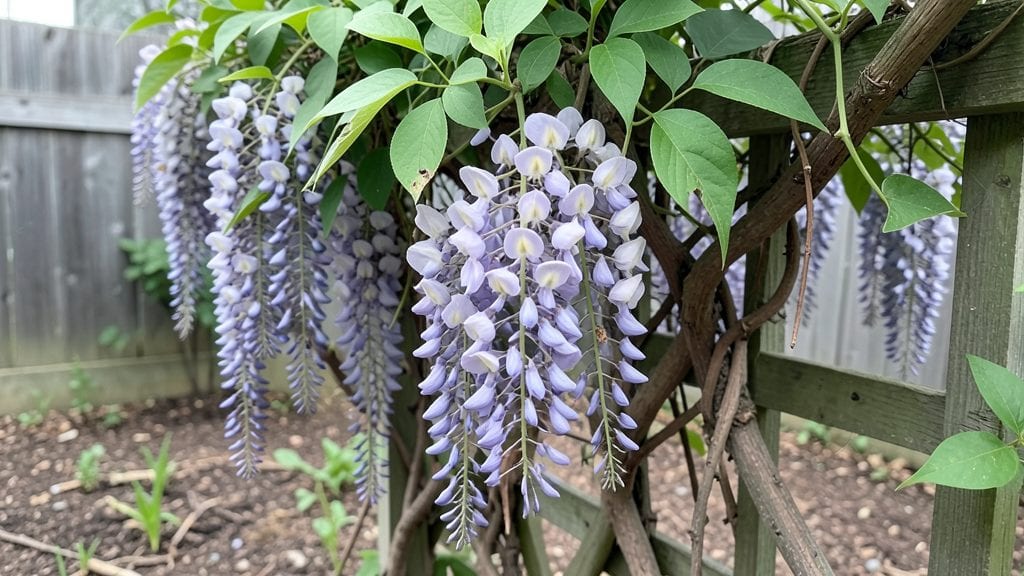
The Longwood Gardens wisteria displays are legendary for their cascading purple clouds and intoxicating scent—something I’ve seen in person and still can’t believe isn’t more common in home gardens. 🌿 What makes their approach special isn’t just the plants themselves, but how they’re strategically placed to create dramatic seasonal backdrops, from early spring blooms to autumn foliage.
The key is treating wisteria as a structural element, not just a vine—think pergolas, arbors, and even tree trunks as living sculptures.
Longwood Gardens uses three-foot spacing between supports and prunes aggressively in late winter to encourage strong, flower-laden growth. They also pair wisteria with complementary plants—like azaleas below for early color and hostas for shade—that extend the visual interest year-round.
The result? A fragrant, ever-changing focal point that transforms any garden from ordinary to showstopping, even in small spaces.
You’ll notice how they train wisteria to climb vertically first, then let it spill dramatically over the top—creating that signature "waterfall" effect. The secret weapon is a strong central support (like a metal arbor) to handle the weight, plus regular pruning to keep the structure open and airy.
This isn’t just about pretty blooms; it’s about designing a multi-season spectacle that keeps your garden the talk of the neighborhood.
Their exhibits prove wisteria thrives in USDA Zone 5-8 with morning sun and afternoon shade, and even works in containers for patios. Whether you’re planning a grand arbor or a small trellis, Longwood’s methods make it achievable—without sacrificing that signature drama.
Let’s break down how to bring this level of elegance home.
📚 In This Guide
- What you need
- Instructions
- Tips and common mistakes
- Wrapping up and next steps
What you need
- ● Wisteria plants: Choose between Wisteria sinensis (Chinese) or Wisteria floribunda (Japanese). Buy 2-3 mature plants (3–5 years old) for faster blooms.
- ○ Support structure: Arbor or trellis: 10–12 ft tall, sturdy (metal or wood). Optional: Decorative lattice for a Longwood Gardens-style look!
- ● Strong stakes or cables: 3–4 heavy-duty stakes (2x4 in diameter) or 1.5-inch galvanized cables for training.
- ● Well-draining soil: Mix 1 part native soil with 1 part compost and 1 part perlite (for aeration). Test pH: Aim for 6.0–7.0.
- ● Mulch: 3–4 inches of organic mulch (wood chips or bark) to retain moisture.
- ● Hand tools: Trowel, pruning shears (sterilized!), and loppers (for thick stems).
- ○ Grafting tools: Optional for propagating from cuttings.
- ● Watering supplies: Drip irrigation system or soaker hoses (wisteria loves consistent moisture!).
- ● Fertilizer: Balanced fertilizer (10-10-10) at planting.
- ● Slow-release granular fertilizer (e.g., Osmocote) in early spring.
- ● Prerequisites: Sunlight: 6+ hours of full sun daily (partial shade tolerates but reduces blooms).
- ● Space: 15–20 ft diameter for mature growth (wisteria spreads!).
- ● Patience: 3–5 years for full blooms—worth the wait!
Step-by-Step guide to cultivating Longwood Gardens-inspired wisteria arbors
Transform your landscape into a fragrant masterpiece with these time-tested techniques.
🌱 Step 1: Select and Prepare the Perfect Site
Wisteria thrives in full sun to partial shade, with at least 6 hours of direct sunlight daily for optimal blooming. Choose a location with well-draining soil—Longwood Gardens’ legendary wisteria arbors grow best where water doesn’t pool. If your soil is heavy clay, amend it with 3-4 inches of compost mixed into the top 12 inches of soil. I always test drainage by digging a 12-inch-deep hole, filling it with water, and checking if it drains within 4-6 hours. Slow drainage means you’ll need to raise the plant on a mound or improve soil structure.
Wisteria needs strong structural support—install a 6-8 foot tall arbor or trellis with horizontal crossbars spaced 12-18 inches apart. The arbor should be buried 12 inches deep or anchored with stakes and guy wires to handle the plant’s 20-30 foot mature height. I use galvanized metal or pressure-treated wood to prevent rot. Space multiple arbors 10-15 feet apart to allow canopies to merge beautifully, just like Longwood’s iconic displays.
🌿 Step 2: Plant Wisteria with Precision for Longevity
Plant in early spring or fall, when temperatures are 50-70°F—this gives roots time to establish before extreme heat or cold. Dig a hole twice as wide as the root ball but no deeper, as wisteria roots are shallow but extensive. Gently loosen the roots if they’re circling and position the plant so the top of the root ball sits 1-2 inches above ground level. This prevents rot and encourages strong root growth.
Backfill with native soil mixed with compost to improve fertility, then water deeply to settle the soil. I always stake young plants with 2-3 supports tied loosely to allow movement—this strengthens stems naturally. Mulch the base with 2-3 inches of wood chips, keeping it 6 inches away from the trunk to prevent moisture buildup. Water 2-3 times per week for the first month, then taper to once weekly once established, ensuring the soil stays moist but not soggy. Overwatering is the fastest way to suffocate wisteria roots.
✂️ Step 3: Prune Strategically for Year-Round Blooms
Wisteria blooms on old wood, so pruning must be timed and deliberate. After flowering in late spring, remove dead or crossing branches first, then cut back last year’s growth by 1/3 to encourage new blooms. I prune in early summer when flowers fade, using clean, sharp pruners to make cuts just above a bud or leaf node. Avoid heavy pruning in fall—this removes next year’s flower buds. For established plants, I also thin out overcrowded stems to improve airflow and reduce disease risk.
Train vines along the arbor by tying them loosely with soft plant ties every 12-18 inches. Never wrap wire tightly—it can girdle stems as they thicken. In late winter, before buds swell, do a light structural prune to open the center of the plant and remove any weak or diseased wood. This mimics Longwood’s meticulous care and ensures abundant, fragrant blooms year after year. If a vine grows too long, I prune it back to a main branch rather than cutting it entirely—this preserves the plant’s energy.
💧 Step 4: Maintain Soil and Water for Peak Performance
Wisteria is drought-tolerant once established, but young plants need consistent moisture. Water deeply 1-2 times per week during the first growing season, aiming for 1-2 inches of water per week. Use a soaker hose or drip irrigation to deliver water at the base of the plant, avoiding wetting leaves to prevent fungal diseases like powdery mildew. In hot summers, increase watering to 2-3 times per week and mulch annually with 2-3 inches of fresh wood chips to retain moisture and suppress weeds.
Fertilize in early spring with a balanced, slow-release fertilizer (10-10-10) applied 6 inches away from the trunk. I avoid high-nitrogen fertilizers—they promote leafy growth at the expense of flowers. Instead, I top-dress with compost in fall to feed the soil naturally. Monitor for yellowing leaves, which can signal iron deficiency or overwatering. If soil tests reveal deficiencies, amend with chelated iron or lime as needed. Wisteria’s deep roots thrive when the soil is rich but well-aerated—never let it become compacted.
☀️ Step 5: Protect and Enjoy Year-Round Beauty
Wisteria is hardy in USDA zones 5-9, but young plants benefit from winter protection in colder climates. Wrap the trunk and major branches with burlap or frost cloth in late fall, and mulch heavily to insulate roots. Prune out any winter damage in early spring, cutting back to healthy wood. Watch for aphids or spider mites, which can weaken vines. Treat infestations early with neem oil or a hose blast to dislodge pests without harming beneficial insects.
As your wisteria matures, you’ll be rewarded with cascades of fragrant blooms in shades of lavender, pink, and white, just like Longwood’s legendary displays. Train vines to weave through the arbor for a romantic, old-world charm. Enjoy the sweet, intoxicating scent on warm days, and harvest blooms for long-lasting cut arrangements. With patience and care, your wisteria will become the centerpiece of your garden, blooming reliably for decades—a true legacy plant.
Tips & tricks for perfect Longwood Gardens-inspired wisteria arbors
Creating a wisteria arbor that rivals Longwood Gardens' legendary displays takes patience and precision—but these insider tips will help you achieve that romantic, fragrant beauty without the common pitfalls.
Soil Preparation Secret: That 4-6 hour drainage test in Step 1 is non-negotiable. I've seen wisteria plants fail spectacularly when planted in soil that drains too slowly. If your test shows poor drainage, consider creating a raised bed with a mix of 50% native soil, 30% compost, and 20% perlite to improve aeration while maintaining moisture retention. The key is mimicking the well-draining conditions Longwood Gardens achieves—this plant simply won't thrive in soggy soil.
Arbor Construction Wisdom: When installing your 6-8 foot arbor in Step 1, pay special attention to the 12-inch deep burial requirement. I learned this the hard way when my first arbor toppled in a windstorm—it wasn't properly anchored. For extra stability, especially in windy areas, add diagonal guy wires from the top corners to ground stakes. The 12-18 inch spacing between crossbars is crucial too; it gives vines plenty of room to intertwine without crowding, just like Longwood's meticulously trained displays.
Pruning Precision: The 1/3 reduction of last year's growth in Step 3 might seem drastic, but it's essential for encouraging those lush, fragrant blooms. Always make your cuts just above a bud or leaf node—this is where new growth will emerge. I use a ratchet pruner for clean cuts on thicker stems, and I mark my pruning schedule on my calendar: late spring cleanup, early summer thinning, and light winter pruning. This three-phase approach mimics Longwood's professional care and prevents over-pruning mistakes that can reduce flowering.
Watering Strategy: The 2-3 times weekly watering in Step 2 is a guideline, not a rule. In my experience, the best approach is to check soil moisture by sticking your finger 2 inches deep—if it feels dry, that's when to water. For established plants, I've found that deep watering once weekly with 2-3 gallons is often sufficient, especially when combined with the 2-3 inch wood chip mulch. The mulch does double duty by suppressing weeds while maintaining even moisture levels, just like Longwood's professional maintenance crews do.
Pro Tips for Longwood Gardens Wisteria
- Creating a wisteria arbor that rivals Longwood Gardens' legendary displays takes patience and precision—but these insider tips will help you achieve that romantic, fragrant beauty without the common pitfalls.
- Soil Preparation Secret: That 4-6 hour drainage test in Step 1 is non-negotiable.
- Arbor Construction Wisdom: When installing your 6-8 foot arbor in Step 1, pay special attention to the 12-inch deep burial requirement.
Frequently asked questions
Got questions about Longwood Gardens’ stunning wisteria? Here are answers to the most common ones—from blooming secrets to care tips!
When is the best time to visit Longwood Gardens to see wisteria in full bloom?
The wisteria at Longwood Gardens typically blooms in late spring (May), but some varieties may flower as early as April or as late as June, depending on weather. The iconic Wisteria sinensis (Chinese wisteria) and Wisteria floribunda (Japanese wisteria) create a breathtaking display during this time. For year-round interest, visit the Conservatory or Bonsai Collection, where wisteria-trained arbors are showcased indoors.
Can I grow wisteria at home? What’s the easiest variety for beginners?
Longwood Gardens recommends Wisteria frutescens (American wisteria) for beginners—it’s hardier and more manageable than Asian varieties. Plant it in well-draining soil with full sun and provide a sturdy trellis or arbor. Be patient: wisteria can take 3–5 years to bloom but thrives with consistent care. Avoid over-pruning, as it can delay flowering.
Why isn’t my wisteria blooming? Troubleshooting tips from Longwood Gardens.
Wisteria may skip blooms due to over-pruning, young age, or lack of sunlight. Longwood Gardens suggests:
- Prune in late winter (before buds swell) to shape the plant without cutting back old wood.
- Ensure it gets at least 6 hours of sunlight daily.
- Fertilize in early spring with a balanced, phosphorus-rich formula to encourage blooms.
- Be patient—some varieties bloom only every 2–3 years!
Are there wisteria alternatives that bloom earlier or later in the season?
If you love wisteria’s fragrance but want extended blooms, consider these Longwood Gardens favorites:
- Clematis (spring/summer blooms, climbs like wisteria).
- Honeysuckle (sweet scent, blooms June–August).
- Jasmine (night-blooming, highly fragrant).
- Climbing roses (repeat blooms, classic charm).
What’s the best time of day to photograph Longwood Gardens’ wisteria?
For soft, dreamy shots, visit on overcast mornings or late afternoons when sunlight is gentle. The Conservatory’s wisteria arbors are stunning with artificial lighting at evening events. Pro tip: Capture the lavender-blue blooms against the golden Fountain Garden backdrop for a showstopper!
Wrapping up and next steps
Longwood Gardens’ wisteria isn’t just a seasonal spectacle—it’s a year-round masterpiece of fragrant beauty and horticultural artistry. Whether you’re drawn to its cascading blooms, historical charm, or the joy of gardening, this iconic display proves that nature’s magic thrives with care and vision. 🌸
Ready to bring a touch of Longwood’s elegance to your own space? Start small—research your climate, choose the right variety, and take that first step toward growing your own fragrant arbor. The best gardens begin with a single seed (or vine!).