
Landscaping
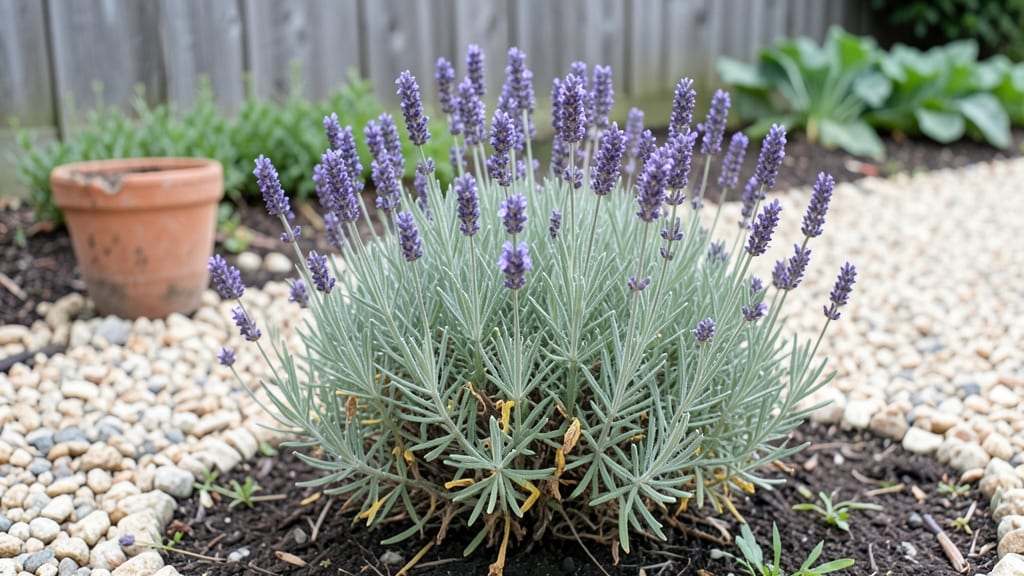
My Mediterranean garden design starts with sun-drenched layers that feel like a vacation every time I step outside. 🌿 The key isn't just choosing plants—it's arranging them so each area has its own personality while flowing seamlessly together.
I learned this the hard way after my first attempt looked like a random collection of pots and shrubs.
You'll work with native plants like lavender, rosemary, and olive trees that thrive in hot, dry climates, plus earthy terracotta pots and winding stone pathways to create that signature Mediterranean look.
The color palette stays simple—think dusty blues, warm terracotta, and lush greens—while the layout focuses on creating cozy nooks for relaxing. Most designs use drought-tolerant ground covers to reduce watering while keeping the space lush.
By the end, you'll have a garden that feels effortlessly elegant, with fragrant herbs spilling over walls, climbing roses framing doorways, and every corner designed for enjoying the outdoors. The best part?
It requires less maintenance than traditional gardens once established, and the right plants will reward you with blooms from spring through fall. Let's bring that sunlit charm to your space.
Whether you're in California, Texas, or the South of France, the principles adapt—Spanish-style courtyards with fountains or Greek-inspired olive groves with whitewashed walls. The goal is always the same: a garden that feels like a retreat, no matter where you live. Here's how to make it happen.
📚 In This Guide
- What you need
- Instructions
- Tips and common mistakes
- Wrapping up and next steps
What you need
- ● Soil & Amendments: Well-draining garden soil (2–3 cubic yards, depending on space)
- ● Compost or organic matter (1–2 bags per 10 sq. ft. for nutrient-rich beds)
- ● Gravel or crushed stone (1–2 cubic yards for pathways and drainage)
- ● Hardscaping: Flagstone or limestone pavers (10–20 sq. ft. per pathway, 2–3" thick)
- ● Terracotta pots or clay planters (various sizes, 3–5 per focal point)
- ● Wooden trellises or wrought-iron arbors (1–2 per garden section)
- ● Decorative stone borders (random rubble or stacked stones, 1–2 bags)
- ● Tools: Shovel and garden fork (for digging and aerating)
- ● Wheelbarrow (1–2 for hauling materials)
- ● Level and measuring tape (for precise hardscaping)
- ● Pruners and hand trowel (for plant care)
- ● String line and stakes (for layout planning)
- ● Structural Plants: Olive trees (Olea europaea, 1–3 mature trees or 1–2 young saplings)
- ● Cypress trees (Cupressus spp., 1–2 for height)
- ● Rosemary or lavender bushes (3–5 per garden bed)
- ● Flowering Annuals & Perennials: Geraniums (Pelargonium spp., 5–10 plants for color)
- ● Salvia (Salvia officinalis or Salvia nemorosa, 3–5)
- ● Sunflowers or poppies (10–15 for seasonal bursts)
- ● Climbing Plants: Jasmine (Jasminum officinale, 1–2 vines for trellises)
- ● Passionflower (Passiflora spp., for tropical contrast)
- ● Outdoor fountain or water feature (small tabletop or freestanding)
- ● Wrought-iron bench or bistro set (for cozy seating)
- ● String lights or lanterns (solar-powered for ambiance)
- ● Herb garden kit (thyme, oregano, basil—practical + pretty!)
- ● Mulch (straw or pine bark, 1–2 bags to retain moisture)
Step-by-Step guide to crafting a Mediterranean garden design
Here’s how to layer sun, texture, and structure for a garden that feels like a sun-drenched escape.
🪴 Step 1: Define Your Sunlit Zones and Base Layers
Start by mapping your garden’s sunlight exposure. Mediterranean plants thrive in full sun (6+ hours daily), so identify the hottest, driest spots for drought-tolerant shrubs like rosemary and lavender. These will form your anchor layer, providing structure and fragrance. I like to place them along pathways or as focal points near seating areas—this creates visual depth while keeping maintenance low.
Use the 12-inch deep potting mix to create a well-draining foundation. Amend it with 20% coarse sand or perlite to mimic Mediterranean soil, which drains quickly. Test your soil’s drainage by pouring water into a small hole—if it pools after 30 minutes, add more sand. This step prevents root rot, which is the silent killer of Mediterranean gardens.
☀️ Step 2: Layer Plants by Height and Seasonal Interest
Build upward with tall evergreens (6-8 feet) like olive trees or pomegranates as your backdrop. These provide year-round structure and shade for smaller plants below. Next, add medium-height shrubs (3-5 feet), such as bay laurels or dwarf citrus, to fill the middle layer. Finally, tuck in low-growing perennials (1-2 feet) like thyme, oregano, or sedum along the edges.
Space plants according to their mature size—crowding leads to competition for water and light. I use the 1-gallon containers for smaller shrubs to ensure they establish roots before transplanting. Group plants with similar water needs together; for example, lavender and rosemary share drought tolerance, while bougainvillea and hibiscus prefer slightly more moisture. This zoning simplifies irrigation.
🌿 Step 3: Incorporate Hardscaping and Textural Contrast
Mediterranean gardens rely on stone, wood, and metal for texture and durability. Use the flagstone pavers to create pathways or define planting beds—these materials reflect heat and blend seamlessly with the landscape. I often arrange them in a herringbone pattern for visual interest while keeping maintenance minimal. Add terracotta pots in varying sizes to house herbs or seasonal annuals, like snapdragons or marigolds.
Incorporate climbing plants like jasmine or clematis to soften walls or trellises. Train them to grow upward along the wrought-iron trellis, which adds an elegant, rustic touch. This vertical layering maximizes space and draws the eye upward, creating a sense of airiness. Avoid overcrowding—leave room for foliage to breathe, which prevents fungal diseases in humid conditions.
✂️ Step 4: Add Finishing Touches for Fragrance and Function
Weave in fragrant herbs like rosemary, mint, and lemon balm near seating areas or entryways. Their scent enhances the sensory experience, making the garden feel alive even when you’re not actively tending it. I also intersperse drought-resistant ground covers, such as creeping thyme or ice plant, to suppress weeds and retain moisture. These plants thrive in full sun and well-draining soil, mirroring Mediterranean conditions.
Finally, add lighting with the solar-powered path lights to highlight key features at night. Place them along pathways or around focal points like a fountain or sculpture. This not only enhances safety but also extends the garden’s usability into the evening. Mulch with 3 inches of gravel or decomposed granite to conserve moisture and keep weeds at bay—this is non-negotiable in hot climates.
💧 Step 5: Establish a Low-Maintenance Watering System
Mediterranean gardens excel with minimal water once established. Install a drip irrigation system to deliver water directly to the root zone, reducing evaporation and runoff. Use the soaker hoses for larger shrubs and trees, and place emitters near the base of each plant. Water deeply but infrequently—aim for 1-2 inches per week, including rainfall, to encourage deep root growth.
Schedule watering in the early morning to minimize evaporation and fungal risks. I set my system to run for 20-30 minutes every 2-3 days during peak summer, adjusting as seasons change. Avoid overhead sprinklers—they waste water and promote leaf diseases. With this system, your garden will stay vibrant with minimal effort, just like the landscapes of Provence or Andalusia.
Tips & tricks for perfect Mediterranean garden design
Creating a Mediterranean garden isn't just about planting—it's about crafting a sunlit sanctuary that thrives with minimal effort. Here are the secrets I've learned to elevate your design from good to breathtaking.
Soil Science Matters: The 30-minute drainage test in Step 1 is non-negotiable. I've seen gardens fail spectacularly because of poor drainage—even with drought-tolerant plants. If your soil pools water after 30 minutes, add more coarse sand or perlite until water drains within 10-15 minutes. This mimics the Mediterranean's rocky, well-draining soils and prevents that silent killer: root rot. Pro tip: Test multiple spots in your garden—soil composition can vary dramatically even in small spaces.
Plant Placement Psychology: In Step 2, when arranging your tall evergreens (6-8 feet), place them on the north side of your garden to provide shade for heat-sensitive plants during peak afternoon sun. The medium-height shrubs (3-5 feet) should face south to maximize their sunlight exposure. This strategic placement creates microclimates that extend your growing season and reduce water needs. I've found that olive trees make particularly excellent northern anchors—they're drought-resistant and their silvery leaves reflect heat beautifully.
Hardscaping with Purpose: The flagstone pavers in Step 3 aren't just decorative—they serve multiple functions. Arrange them in a herringbone pattern to create visual movement while also preventing soil compaction around plant bases. For pathways, use slightly larger pavers (12"x12") and leave 1/4" gaps between them to allow rainwater to seep through and replenish the soil below. This creates a self-sustaining system where your hardscaping actually benefits your plants.
Seasonal Layering Strategy: When adding your finishing touches in Step 4, consider creating a "fragrance pathway" leading to your seating area. Plant rosemary and lavender near the entrance, mint and lemon balm along the path, and thyme at the seating area. This creates a sensory journey as you move through your garden. For seasonal interest, intersperse bulbs like daffodils or crocuses in the gravel mulch—they'll emerge in spring and die back in summer, leaving room for your Mediterranean plants to shine.
Pro Tips for Mediterranean Garden Design
- Creating a Mediterranean garden isn't just about planting—it's about crafting a sunlit sanctuary that thrives with minimal effort.
- Soil Science Matters: The 30-minute drainage test in Step 1 is non-negotiable.
- Plant Placement Psychology: In Step 2, when arranging your tall evergreens (6-8 feet), place them on the north side of your garden to provide shade for heat-sensitive plants during peak afternoon sun.
Frequently asked questions
Got questions about crafting your dream Mediterranean garden?
Here are answers to the most common ones—so you can dive in with confidence!
What plants are essential for a Mediterranean garden?
A Mediterranean garden thrives with drought-tolerant, sun-loving plants like lavender, rosemary, olive trees, bougainvillea, and succulents. Native grasses, such as Stipa tenuissima (Mexican feather grass), also add texture and movement. Pro tip: Mix evergreens (e.g., Pistacia lentiscus) for year-round structure and seasonal blooms like geraniums or salvias for color.
How long does it take to establish a Mediterranean garden?
Establishment varies! Newly planted perennials and shrubs may take 1–2 years to fully root and flourish, while annuals or fast-growing vines (like jasmine) can add instant charm. Olive trees and cypress grow slowly but reward patience with timeless elegance. Key tip: Mulch well and water deeply but infrequently to speed up root development.
Is a Mediterranean garden expensive to maintain?
Not necessarily! While materials like terracotta pots or stone pathways have upfront costs, they’re low-maintenance long-term. Drought-resistant plants cut water bills, and hardscaping (like gravel or flagstone) reduces weeding. Budget hack: Start small—prioritize focal points (e.g., a citrus tree or pergola) and expand gradually.
Can I create a Mediterranean garden in a non-sunny climate?
While Mediterranean gardens adore 6+ hours of sun daily, you can adapt by choosing shade-tolerant plants (e.g., Fatsia japonica, Hellebores) and using reflective surfaces (light-colored walls, mirrors) to amplify light. Opt for container gardening to move plants as needed. Lighting tip: Solar-powered path lights or string lights add warmth to shaded nooks.
How do I keep pests away naturally?
Mediterranean gardens are pest-resistant by design! Plant herbs like rosemary, thyme, and basil—their fragrance deters insects. Encourage beneficial predators (ladybugs, lacewings) with native flowers. DIY fix: Neem oil spray or companion planting (e.g., marigolds near tomatoes) works wonders. Avoid synthetic chemicals to preserve the garden’s authentic, eco-friendly vibe.
Wrapping up and next steps
A Mediterranean garden design isn’t just about aesthetics—it’s a celebration of lived-in elegance, where sun-drenched layers, fragrant herbs, and rustic charm create a space that feels like a warm embrace. 🌿 Whether you’re drawn to terracotta pots, olive trees, or winding pathways, the key is to embrace simplicity, sustainability, and the natural beauty of the region.
Start small, experiment with textures, and let your garden tell its own story.
Ready to bring this timeless vision to life? Sketch a rough layout, gather a few key materials, and take the first step—your future self (and future guests) will thank you! 🌞