
Companion Plants
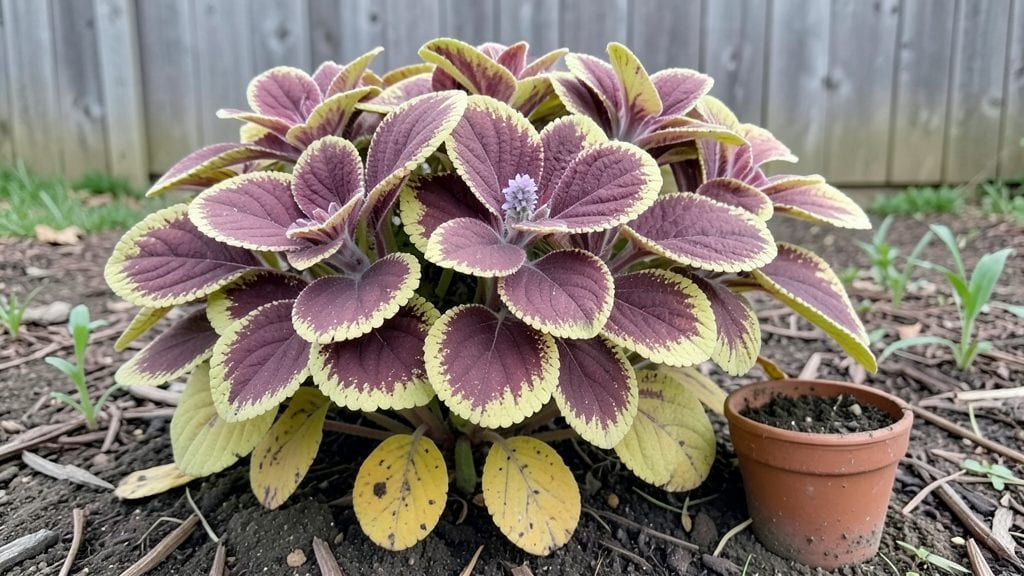
Finding affordable garden plants that still pack a pollinator punch doesn’t require emptying your wallet—just knowing where to look and which varieties deliver the most bang for your buck. 🌿 I’ve built my front yard garden on a shoestring by focusing on hardy perennials like bee balm, coneflowers, and milkweed, all of which cost under $5 each at seasonal sales and local plant swaps.
The secret lies in timing and sourcing: wait for late summer clear-outs at nurseries, join community seed exchanges, or even propagate from friends’ overgrown clumps. A single milkweed plant can spread into a pollinator magnet within two seasons, while coneflowers return year after year with minimal care.
My $30 investment last year now supports hundreds of butterflies and bees—far more than pricey annuals ever could.
You’ll end up with a garden that hums with activity from spring to fall, all while keeping maintenance simple. The key is layering plants by height and bloom time so there’s always something in flower, attracting bees, butterflies, and hummingbirds without breaking the bank.
Plus, these perennials multiply over time, giving you free plants to share or expand your garden.
Works for any garden style—cottage, modern, or even edible landscapes—because these plants thrive in full sun or partial shade and pair beautifully with vegetables. Here’s how to mix them for maximum impact without the premium price tag.
📚 In This Guide
- What you need
- Instructions
- Tips and common mistakes
- Wrapping up and next steps
What you need
- ● Seeds or seedlings: 1 lb native wildflower mix (e.g., coneflowers, black-eyed Susans, milkweed) – $5–$10
- ● 3–5 pollinator-friendly perennials (e.g., bee balm, lavender, or salvia) – $2–$4 each
- ○ Optional: 1–2 edible companion plants (e.g., borage, marigolds, or nasturtiums) – $3–$6 each
- ● Soil amendments: 1 bag compost (2–3 cubic feet) – $5–$10
- ○ Optional: 1 lb bone meal or worm castings (for extra nutrients) – $4–$8
- ● Basic tools: 1 hand trowel – $5–$10
- ● 1 garden fork (for loosening soil) – $10–$15
- ● 1 pruners (for trimming) – $8–$12
- ● 1 watering can or hose – $10–$20
- ● 1–2 recycled containers (e.g., yogurt cups, tin cans) for seed starting – $0–$5
- ● 1 roll mulch (to retain moisture) – $3–$7
- ● 1 plant marker set (to label varieties) – $4–$8
- ● 1 bee bath (a shallow dish with stones) – $0–$5 (DIY with a saucer!)
How to build a budget-friendly pollinator garden pack
Here’s how to create a thriving, low-cost garden that supports bees, butterflies, and hummingbirds—without breaking the bank.
🌱 Step 1: Select High-Impact, Low-Cost Plants
Skip expensive nursery plants and focus on pollinator powerhouses that grow easily from seed or cuttings. Start with bee balm, milkweed, and coneflower—these attract pollinators aggressively and self-seed prolifically. I always buy flat-packed seeds (like a 1,000-seed mix for under $10) instead of single plants, which can cost $5–$10 each.
Milkweed is a must for monarchs, but it’s often priced high. Check local wildflower seed suppliers or native plant exchanges—many sell bulk milkweed seeds for $2–$5 per packet. Coneflower and bee balm are equally hardy and bloom for months. Avoid hybrids (like double-flowered varieties)—they often don’t produce nectar and won’t support pollinators.
🪴 Step 2: Gather Free or Cheap Growing Supplies
You don’t need fancy pots or expensive soil. Repurpose containers like yogurt cups, plastic milk jugs, or even old rain boots for seedlings. Drill drainage holes if needed—just 1–2 per container prevents root rot. For soil, mix 50% garden soil (free from your yard) with 50% compost (check local compost piles or municipal programs for free or low-cost options).
Skip peat pots—they’re expensive and often don’t break down properly. Instead, use newspaper pots (free) or biodegradable egg cartons for seed starting. Label each container with the plant name and date using popsicle sticks and a permanent marker—it’s free and keeps things organized.
☀️ Step 3: Plant in Sun and Water Efficiently
Pollinators need full sun (6+ hours daily)—place plants where they’ll get the most light, even if it’s a south-facing fence or sidewalk strip. Avoid shady spots, which reduce blooms and nectar production. I plant in small clusters (3–5 plants per type) to create visual feeding stations for bees and butterflies.
Water deeply once a week instead of daily shallow watering. This encourages deep root growth and saves money on water bills. Check moisture by sticking your finger 1 inch into the soil—if it’s dry, water until it’s damp 1–2 inches down. Mulch with free grass clippings or fallen leaves to retain moisture and suppress weeds.
🌿 Step 4: Encourage Pollinators with Free Extras
Add a shallow water source (like a saucer with pebbles and a bit of sand) to give pollinators a place to drink. Bees can’t swim, so they’ll drown without safe landing spots. Place the water dish near your plants so they can forage and hydrate in one trip.
Leave some wild areas in your garden—piles of sticks or untidy corners provide shelter for beneficial insects. Avoid pesticides entirely; even "organic" sprays can harm pollinators. If pests appear, handpick them or use soapy water sprays (mix 1 tsp mild soap per gallon of water) as a last resort.
⏰ Step 5: Maintain and Expand for Free
Let spent blooms stay on the plant—deadheading isn’t necessary for pollinator gardens. Many seeds will self-sow, giving you free plants next year. Save seeds from your best performers (like coneflower or bee balm) and share extras with neighbors—this builds a community of pollinator-friendly gardens without spending a dime.
Every year, add one new pollinator-friendly plant to your rotation. Even a single milkweed plant can support hundreds of monarch butterflies. By year three, your garden will be a self-sustaining pollinator magnet—all while keeping costs near zero.
Tips & tricks for perfect pollinator gardens
A few strategic moves can transform your budget-friendly garden into a buzzing pollinator paradise. These insights will help you maximize impact while keeping costs near zero.
Seed Selection Strategy: When buying flat-packed seeds, look for "wildflower mixes" that include native varieties—these attract more pollinators than generic blends. I've found that 1,000-seed mixes often contain 20-30% filler flowers that don't support pollinators. Sort through your seeds and remove any that aren't bee balm, milkweed, or coneflower to ensure you're getting maximum impact for your dollar.
Container Hack: For seed starting, use egg cartons with the lid removed—this creates a built-in humidity dome that speeds germination. Place them in a sunny windowsill or under grow lights (even a simple LED bulb works). The compartments naturally organize your seedlings, and you can transplant them directly into the ground without disturbing roots. This eliminates the need for expensive seedling trays.
Sunlight Optimization: If your space only gets partial sun, prioritize planting bee balm—it thrives in 4-6 hours of sunlight and still produces abundant nectar. Position it near windows or fences that get reflected light. For full sun areas, create "pollinator corridors" by planting in 3-5 plant clusters spaced 18-24 inches apart. This creates visual landing zones that make it easier for bees to navigate your garden.
Water Source Design: The shallow water source in Step 4 doesn't need to be fancy—an old saucer or lid with pebbles works perfectly. Place it on a flat rock or brick so bees can land safely. Add a small amount of sand to the water to give them something to grip while drinking. I've seen hummingbirds use these simple setups just as effectively as expensive birdbaths.
Pro Tips for Affordable Garden Plants
- A few strategic moves can transform your budget-friendly garden into a buzzing pollinator paradise.
- Seed Selection Strategy: When buying flat-packed seeds, look for "wildflower mixes" that include native varieties—these attract more pollinators than generic blends.
- Container Hack: For seed starting, use egg cartons with the lid removed—this creates a built-in humidity dome that speeds germination.
Frequently asked questions
Got questions about growing a budget-friendly garden that still attracts pollinators? You’re in the right place! Here are answers to the most common queries—no green thumb required.
What are the cheapest plants that attract pollinators?
Start with native wildflowers like black-eyed Susans ($1–$3 per seed packet) or bee balm ($2–$4). Marigolds ($1–$2 per plant) and sunflowers ($1–$3 for seeds) are also top picks. Check local native plant nurseries or seed swaps for deals!
Where can I find affordable garden plants?
Skip big-box stores—try these instead:
- Dollar stores: Often sell flat-rate plants (e.g., herbs, marigolds) for $1–$2.
- Local Facebook Marketplace: Search for "free plants" or "seed exchange."
- Community gardens: Ask for cuttings or leftover seedlings.
- End-of-season sales (late summer/fall) at nurseries—prices drop 50–70%.
When is the best time to plant these budget-friendly pollinator plants?
Timing depends on your zone, but here’s a general rule:
- Cool-season plants (e.g., lupines, alyssum): Plant in early spring or fall when soil is workable.
- Warm-season plants (e.g., sunflowers, zinnias): Wait until after the last frost (usually mid-April to June, depending on location).
- Perennials (e.g., coneflowers, lavender): Plant in spring or early fall for best root establishment.
Will these plants really help bees and butterflies?
These pollinator powerhouses provide:
- Nectar: Fuels bees and butterflies (e.g., bee balm, lavender).
- Pollen: Essential for bee diets (e.g., clover, sunflowers).
- Host plants: Caterpillars munch on milkweed (for monarchs) or dill/fennel (for swallowtail butterflies).
What if my garden soil is poor or rocky?
No problem! Most pollinator plants are hardy and low-maintenance. Try these tricks:
Remember: Pollinators care about flowers, not soil perfection!
Wrapping up and next steps
Transforming your garden into a thriving pollinator paradise doesn’t have to break the bank! With affordable garden plants like sunflowers, coneflowers, and lavender, you’re not just saving money—you’re creating a vibrant ecosystem that benefits bees, butterflies, and hummingbirds. Start small, think big!
Ready to take the next step? Pick 2-3 plants from our budget-friendly list, grab some seeds or cuttings, and begin planting this weekend. Watch your garden—and your local pollinators—thrive with every season! 🌸🐝