
Flowers
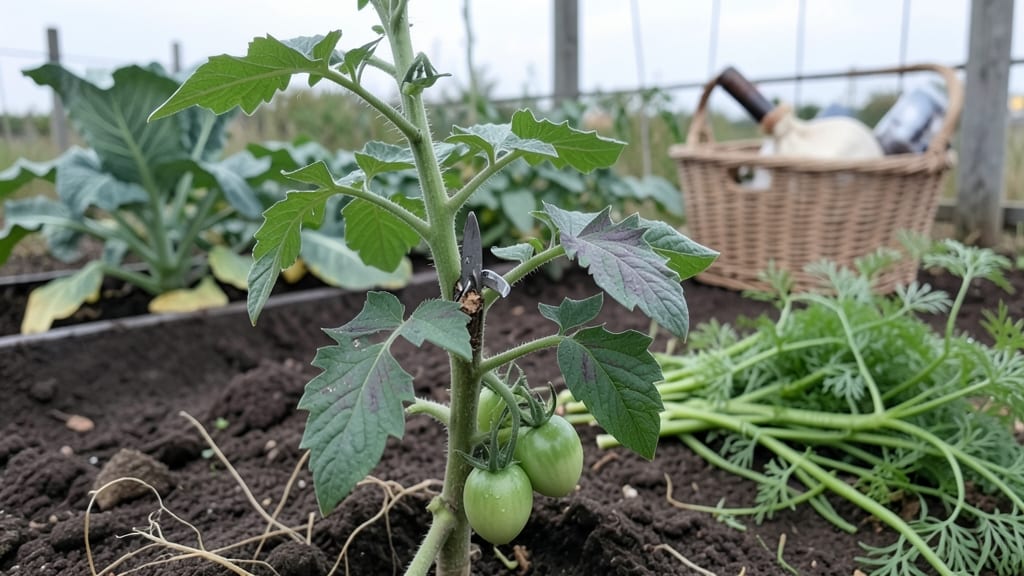
The meaning of victory gardens centers on community-led vegetable growing during wartime food shortages, first promoted in World War I and II to strengthen national food supplies. Now, they represent modern values like sustainability, self-reliance, and ecological responsibility in gardening.
These gardens emerged as a grassroots response to food rationing, where families grew vegetables like tomatoes and carrots to support their diets and the war effort. 🌱 The concept quickly spread through government campaigns and local initiatives, proving how collective action could address critical shortages.
Today, victory gardens adapt to contemporary challenges—urban farmers use vertical planters, while disaster preparedness groups stockpile seeds to ensure food security during crises.
What makes this movement enduring is its blend of practicality and purpose. Whether you're growing herbs on a balcony or maintaining a full-scale plot, the principles remain the same: grow what you need, share with your community, and reduce dependence on external systems.
It's gardening with intention—both for the soil and for society.
💡 In This Article
- Origins of Victory Gardens in World War Era
- Modern Victory Gardens: Purpose and Adaptations
Origins of victory gardens in World War era
The concept of victory gardens took root during World War I when food shortages threatened national security. In 1917, the U.S. government launched "Food Will Win the War" campaigns, encouraging families to grow vegetables like potatoes, cabbage, and carrots.
By 1918, over 5 million gardens were producing 40% of the nation's fresh vegetables, easing rationing pressures and boosting morale. 🌱
World War II amplified this movement dramatically. President Roosevelt's wife, Eleanor, planted the first White House victory garden in 1943, sparking a national trend. The government distributed 15 million seed packets and published gardening guides, while Hollywood stars like Clark Gable promoted gardening in films.
These efforts resulted in 20 million gardens producing 40% of the U.S. vegetable supply by 1944.
The psychological impact was equally significant. Gardens became symbols of patriotism and self-sufficiency, with families displaying flags and planting "liberty gardens." The shared effort fostered community bonds, proving that small-scale agriculture could address large-scale crises. This dual benefit—food security and social cohesion—cemented victory gardens as a wartime necessity.
What made these gardens uniquely effective was their adaptability. Urban dwellers grew vegetables in backyards, window boxes, and even rooftops, while rural families expanded existing plots.
The government even encouraged livestock raising for eggs and meat, demonstrating how diverse food production could be. This flexibility ensured participation across all socioeconomic groups.
Victory gardens also had measurable economic effects. By reducing food imports, they conserved shipping resources for military use—a critical factor in wartime logistics. The movement proved that decentralized food production could supplement industrial systems, a lesson that resonates in today's discussions about food sovereignty and climate resilience.
Perhaps most importantly, victory gardens transformed how Americans viewed their relationship with food. The experience of growing, harvesting, and preserving vegetables created a deeper connection to the food chain. This cultural shift laid the foundation for modern movements like community-supported agriculture (CSA) and urban farming initiatives.