
Vegetables
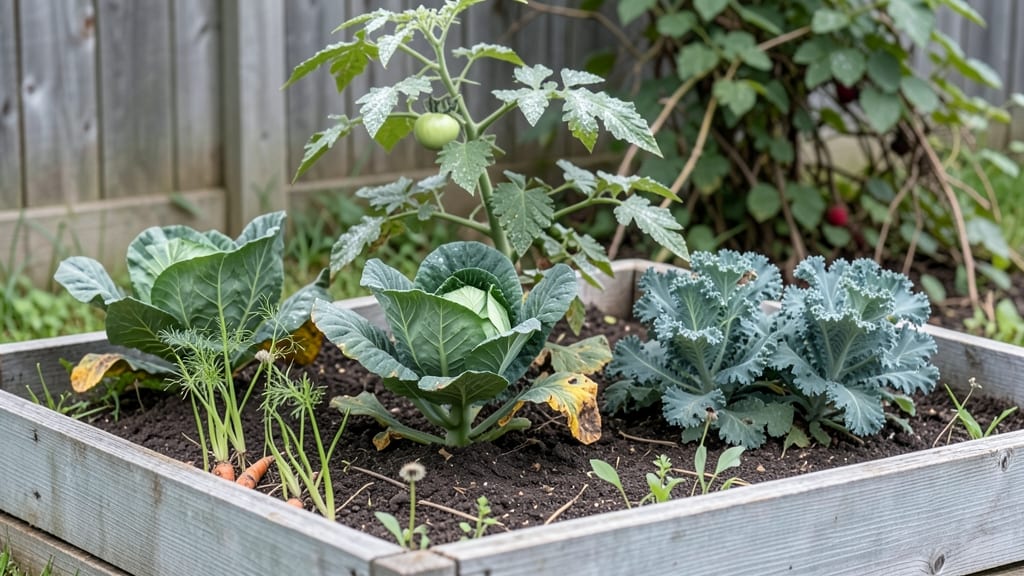
The history of victory gardens traces back to World Wars I and II, when homegrown produce became a wartime necessity, supplying over 40% of U.S. vegetables by 1943. Today, these gardens have evolved into modern sustainability movements, thriving in urban spaces and during crises like COVID-19.
The concept began as a patriotic response to food shortages, with governments encouraging citizens to cultivate vegetables in backyards and vacant lots. 🌱 During WWII, programs like "Dig for Victory" turned lawns into production sites, proving how community gardening could stabilize food supplies.
This grassroots effort didn't just feed families—it built resilience that modern urban farmers now emulate, proving history repeats itself in times of need.
What's fascinating is how these gardens adapted to new challenges. After 9/11, military bases revived victory gardens to support troops, while cities like Detroit transformed blighted lots into thriving community plots.
The pandemic saw backyard farming surge 40% as people sought fresh produce and connection to land. Today's victory gardens blend old-school techniques with modern tech, like hydroponics and seed-saving cooperatives.
💡 In This Article
- How Victory Gardens Transformed Wartime Food Security
- Modern Victory Gardens: From War Zones to Urban Farms
How victory gardens transformed wartime food security
The concept of victory gardens emerged as a deliberate wartime strategy during World Wars I and II, when governments recognized that homegrown produce could alleviate pressure on strained supply chains.
In 1917, the U.S. Department of Agriculture launched the first official campaign, encouraging Americans to grow vegetables in backyards and vacant lots.
By 1943, these gardens produced 40% of all U.S. vegetables, including 9 million tons of produce—equivalent to feeding the entire population of New York City for a year. 🌱
The government's "Dig for Victory" initiative turned lawns into production sites, with families cultivating everything from potatoes to tomatoes. Urban spaces were repurposed: New York City's Central Park hosted community plots, while schools and churches distributed seeds.
The average backyard garden in 1943 yielded 1,300 pounds of produce, with some families growing enough to preserve food through winter. This wasn't just about feeding families—it was a calculated effort to free up commercial agriculture for military needs, like feeding troops overseas.
What made victory gardens so effective was their scalability. The U.S. government provided free seeds, gardening guides, and even radio broadcasts with planting tips. Schools taught children how to grow vegetables, turning gardening into a patriotic duty.
The impact was immediate: by 1944, victory gardens supplied 10 million tons of food, reducing reliance on imports and stabilizing prices. The program also boosted morale, giving families a sense of purpose during rationing and shortages.
The success of victory gardens wasn't just about quantity—it was about diversity. Families grew nutrient-dense crops like carrots, spinach, and peas, which were often scarce in grocery stores. The U.S. Victory Garden Council even published recipes using garden-fresh ingredients, like "Victory Salad" made with homegrown greens.
This focus on fresh, local food laid the groundwork for modern sustainability movements, proving that small-scale agriculture could have a massive impact.
One of the most striking examples was in Britain, where victory gardens ("Dig for Victory" campaigns) supplied 1.4 million tons of food annually by 1943—about 40% of the nation's fruit and vegetables. The British government even designated public spaces for gardening, including rooftops and bombed-out lots.
This adaptability showed how communities could mobilize resources during crises, a lesson that resonates today in urban farming initiatives. 💡
The legacy of victory gardens extends beyond wartime. Their success demonstrated that food security isn't just about large-scale agriculture—it's about community, resilience, and adaptability. Modern movements, from Detroit's urban farms to military base gardens, echo the same principles: using available space to grow food, fostering self-sufficiency, and strengthening communities.
The numbers speak for themselves: during WWII, victory gardens produced enough food to feed 40 million people, proving that grassroots efforts can have a global impact.