Vegetables
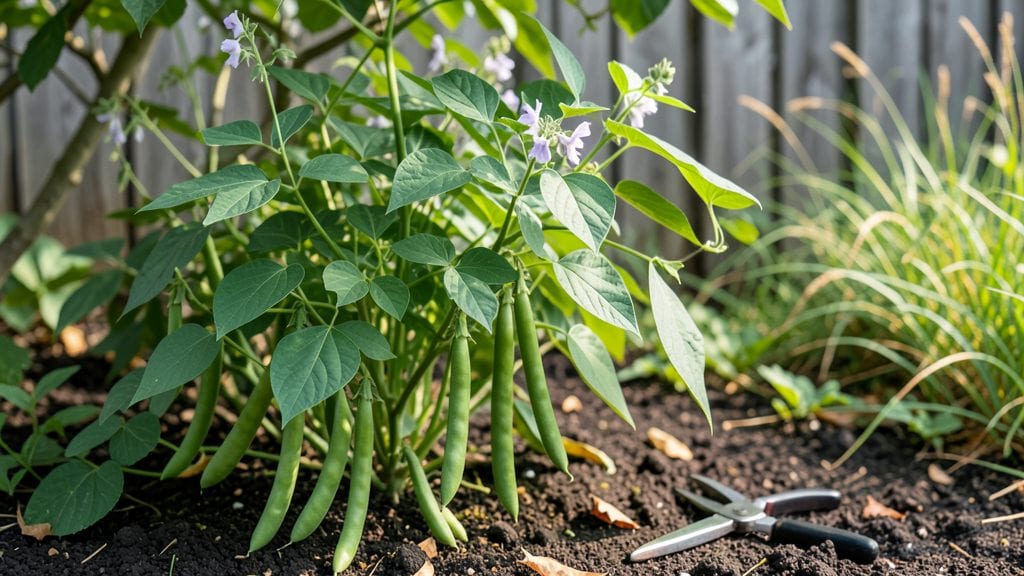
Garden beans and green beans aren't the same: garden beans are mature dried varieties like kidney or pinto beans, while green beans are the young pods of plants such as string beans or wax beans, typically eaten fresh or lightly cooked.
This distinction comes down to harvest timing and plant maturity. 🌱 Garden beans are left to fully develop their seeds, creating the dried legumes we know, while green beans are picked when the pods are tender and crisp—before the seeds harden.
The difference isn't just about appearance but also flavor and culinary use, with green beans offering a fresher, crunchier bite perfect for quick meals.
For example, pinto beans are garden beans that dry into the familiar speckled legumes used in refried beans, while snap peas are actually immature pods from the same family but harvested at a different stage.
Understanding this helps you choose the right variety for your recipes—whether you need the hearty texture of dried beans for soups or the bright snap of green beans in salads.
💡 In This Article
- Botanical and Harvest Differences Between Beans
- Culinary Uses and Growing Tips for Bean Varieties
Botanical and harvest differences between beans
All garden beans and green beans belong to the Phaseolus vulgaris species, but their classification splits at maturity. The key difference lies in harvest timing: garden beans are allowed to fully mature, developing hard, dried seeds inside their pods.
This process transforms them into the legumes we store for months—think pinto beans or black beans—where the starch content converts into complex carbohydrates, giving them their signature hearty texture and nutty flavor.
Meanwhile, green beans are harvested when pods are tender and seeds are still soft, typically 60-80 days after planting.
The science behind this involves starch conversion and fiber development. As beans mature, their starch content increases from about 25% in green beans to 50-60% in dried varieties, while fiber content nearly doubles.
This is why green beans have that crisp, snappy bite with juicy cells bursting under pressure, while dried beans become dense and mealy.
The pods also change color—green beans stay vibrant green, while garden beans develop mottled patterns as they dry. 🌱 For example, 'Blue Lake' green beans are harvested at 4-5 inches long when pods are still bright green, while 'Jacob's Cattle' beans are left to dry completely for their speckled appearance.
Flavor profiles shift dramatically with maturity too. Green beans offer a fresh, grassy sweetness with subtle earthiness, perfect for raw snacks or light cooking. Dried garden beans develop deeper, earthier notes through fermentation and drying, which is why they work so well in hearty dishes like chili or stews.
The protein content also differs: green beans contain about 1.8 grams per 100 grams, while dried beans pack 20-25 grams—a 10x increase! This makes dried beans a nutritional powerhouse for long-term storage.
Here's what most gardeners don't realize: the same plant can produce both types. Varieties like 'Kentucky Wonder' can yield green beans early in the season and dried beans later if left on the vine.
The trick is monitoring pod development—when seeds start showing through the pod's seam, it's time to harvest for green beans.
For dried beans, you wait until pods turn brown and crispy, then let them dry in the sun for 2-3 weeks to complete the transformation. 🌿 This dual-purpose growing strategy maximizes yield from the same plants.
Visual differences extend beyond color. Green beans have smooth, glossy pods with thin walls, while mature garden beans develop thicker, leathery pods that split open to reveal their seeds.
Even the seeds change: green beans contain tiny, undeveloped seeds (about 0.1 grams each), while dried beans feature plump, firm seeds that can weigh 0.5 grams or more.
This size difference explains why dried beans are used in bulk for soups—they hold their shape and texture through cooking, while green beans would disintegrate.
Understanding these botanical distinctions helps you choose the right variety for your needs. If you want quick, fresh sides, green beans like 'Contender' or 'Blue Lake' are ideal. For long-term storage or hearty meals, dried varieties such as 'Black Turtle Soup' (black beans) or 'Otoe' (pinto beans) deliver superior results.
The same plant family serves both purposes—it's all about when you pick them! 💡