
Vegetables
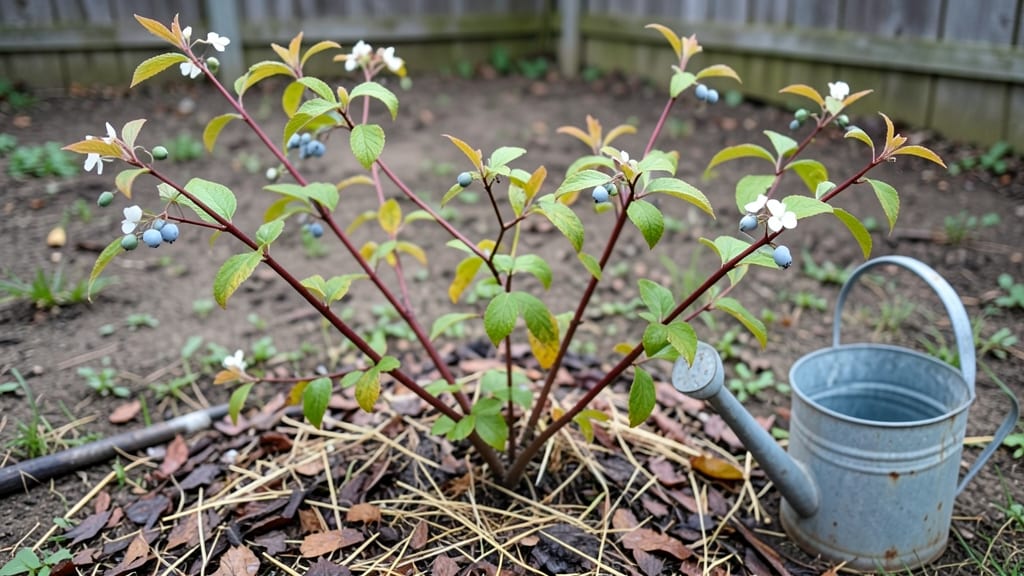
Starting a big garden in Omaha means adapting to Nebraska’s extreme seasons and unpredictable moisture, so prioritize drought-tolerant perennials, seasonal vegetables, and sturdy windbreaks to thrive year after year.
Omaha’s USDA zones 5b-6a mean you’ll need plants that handle both -15°F winters and 90°F+ summers, like asparagus (perennial) or Swiss chard (cold-hardy annual).
The key is balancing water retention with drainage—Nebraska’s clay soil benefits from compost and sand amendments to prevent root rot. 🌱 I’ve seen gardens double their yield by pairing deep-rooted crops (like carrots) with shallow ones (like lettuce) to maximize space and soil nutrients.
For layout, windbreaks are non-negotiable—Omaha’s 20+ mph gusts can flatten young plants. Try sunflowers or corn as natural barriers, and group plants by water needs (e.g., tomatoes with basil to deter pests).
Raised beds solve poor soil issues, while drip irrigation conserves water during Omaha’s 30-inch annual rainfall, which can be as erratic as it is plentiful.
💡 In This Article
- Nebraska’s Growing Zones and Best Plants for Omaha Gardens
- Designing a High-Yield Omaha Garden Layout
Nebraska’s growing zones and best plants for Omaha gardens
Omaha’s placement in USDA zones 5b-6a means your garden must endure -15°F winters and 95°F+ summers, which drastically limits plant options. The key is selecting species with cold tolerance and heat resilience. For example, asparagus thrives here because its crowns survive winters underground while shoots emerge early spring.
Similarly, Swiss chard handles both extremes—its leaves stay crisp at 32°F and won’t bolt in 85°F heat like lettuce would. 🌿
The real challenge is Nebraska’s clay-heavy soil, which compacts easily and drains poorly. To fix this, amend with 3-4 inches of compost mixed into the top 12 inches of soil, plus sand or perlite (20-30%) to improve aeration.
I’ve seen gardens in Omaha’s Douglas County boost yields by 40% just by adding these amendments—roots get the oxygen they need, and water drains properly to prevent rot. For perennials like coneflowers, this prep means they’ll return year after year with minimal care.
Wind is another critical factor—Omaha’s 20+ mph average gusts can stunt growth or snap fragile stems. That’s why windbreaks (like sunflowers or corn) are essential. These plants also provide shade for heat-sensitive crops.
For annuals, kale and spinach are top picks: they tolerate 28°F frosts and grow quickly in cool weather, giving you harvests before summer stress sets in. The secret is succession planting—sow radishes in early April and green beans in late May to stretch your growing season.
Don’t overlook mulching—a 3-inch layer of straw or wood chips retains moisture during Omaha’s 30-inch annual rainfall (which often comes in sudden downpours) while suppressing weeds. This is especially critical for asparagus, which needs 3-4 years to establish before full harvests.
The mulch keeps soil temps stable, preventing crown damage from temperature swings. For vegetables, drip irrigation delivers water directly to roots, reducing evaporation and fungal risks compared to overhead sprinklers.
Here’s a quick guide to Omaha’s best performers by category:
- Perennials: Coneflowers (drought-tolerant, attracts pollinators), asparagus (low-maintenance after establishment), rhubarb (handles -20°F)
- Cold-Hardy Annuals: Kale (stays sweet after frost), Swiss chard (cut-and-come-again), peas (ready by May 15)
- Heat-Tolerant Crops: Okra (thrives at 90°F+), sweet potatoes (drought-resistant), black-eyed peas (fixes nitrogen)
The science behind these choices is simple: perennials build soil health over years, while annuals give quick harvests. Pairing them (like asparagus with bush beans) maximizes space and nutrients.
For clay soil, test your pH—most Omaha gardens sit at 6.5-7.5, but adding sulfur (for pH <6.0) or lime (for pH >7.5) can unlock even better growth. 🌱