Tools
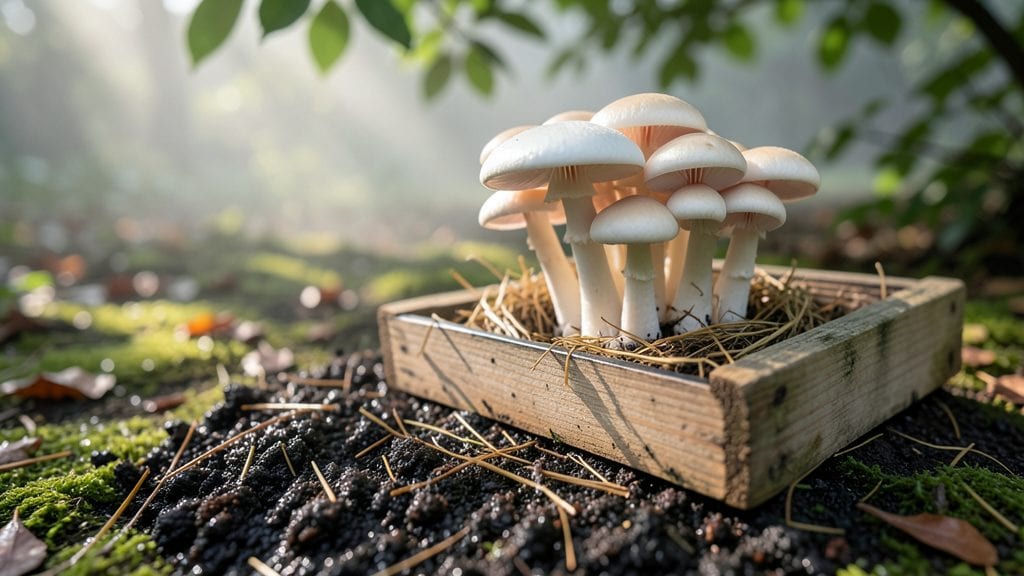
Identifying garden mushrooms safely could save you from a dangerous mistake—one wrong pick can turn a harvest into a hospital visit. I’ve spent years studying these fungi in my own backyard, and the key is learning just a few critical features: cap shape, gill color, and stem texture.
A single misstep can mean the difference between a delicious meal and a trip to the emergency room.
Most edible mushrooms grow in clusters at the base of trees or in well-drained soil after rain. Look for white to brown caps with gills underneath—never red or yellow spots, which are often a warning sign.
The stem should be firm, not slimy, and the flesh should stay white when sliced. If you’re unsure, skip it entirely—there’s no shame in leaving a mushroom unidentified when your health is on the line.
You’ll find reliable identification through field guides like Mushrooms of the Pacific Northwest or apps such as iNaturalist, which let you upload photos for expert verification. I always cross-check three sources before even considering a mushroom edible.
The payoff? A safe, confident harvest—and the thrill of knowing you’ve mastered a skill that keeps you and your family protected.
When in doubt, consult a mycologist or local foraging group. Many communities host mushroom walks where experts can guide you in person. Remember: no mushroom is worth risking your health—better safe than sorry, every time. This guide gives you the tools to spot the good ones without the guesswork.
How Environmental Factors Shape Mushroom Growth
Mushrooms popping up in your garden aren’t just random—they’re the result of a perfect storm of conditions. Understanding why they appear (and how to safely identify them) starts with recognizing the key environmental triggers that encourage their growth.
Here’s a breakdown of the most common causes, explained in simple, actionable terms.
Mushrooms thrive in specific soil conditions, often acting as nature’s recyclers by breaking down organic matter. If your garden has:
- High organic content (like compost, leaf litter, or decaying wood): This provides the nutrients mushrooms need to grow. Think of them as tiny decomposers feasting on your yard’s "leftovers."
- Poor drainage: Waterlogged soil creates the damp, oxygen-limited environment many mushrooms love. This is why you might spot clusters after heavy rain.
- Compacted or disturbed soil: Digging, aerating, or even foot traffic can expose buried spores or mycelium (the mushroom’s root-like network), triggering growth.
Actionable tip: If you’re seeing unwanted mushrooms, improve drainage by amending soil with sand or perlite, and reduce organic matter in problem areas. But if they’re edible varieties, consider cultivating them intentionally!
Mushrooms are highly sensitive to weather. Their growth often spikes after:
- Prolonged rain: Moisture activates dormant spores and hydrates mycelium. This is why you’ll see sudden "mushroom blooms" after a week of downpours.
- Temperature fluctuations: Many species grow best in cool, humid conditions (50–75°F). Heatwaves can stall growth, while sudden cool snaps can trigger a "flush" of mushrooms.
- High humidity: Dew-heavy mornings or foggy nights create the ideal microclimate for spore release and cap expansion.
Pro tip: Use a soil moisture meter to monitor conditions. If your garden stays damp for days, mushrooms may follow—so check for edible vs. toxic varieties before harvesting.
Most mushrooms you see are just the "fruit" of a much larger, invisible network called mycelium. This thread-like system spreads through soil, wood, or even living plants, waiting for the right conditions to produce spores.
- Buried wood or roots: If your garden has old tree stumps, buried logs, or root systems (like from removed plants), mycelium may have colonized them for years.
- Animal activity: Burrowing creatures (like moles or gophers) aerate soil and spread spores. Even earthworms can inadvertently help mycelium spread.
- Human activity: Bringing in mulch, compost, or even potted plants can introduce mycelium. That "mystery" mushroom patch might’ve hitched a ride from a bag of soil!
Key insight: If mushrooms keep reappearing in the same spot, mycelium is likely established. Test a few with a spore print kit or a field guide to confirm if they’re safe.
Some mushrooms form symbiotic (or parasitic) relationships with plants, while others hitch a ride on decaying vegetation. Here’s how gardens become mushroom hotspots:
- Symbiotic relationships: Certain mushrooms (like morels or chanterelles) partner with tree roots, trading nutrients for sugars. If you have oak, pine, or fruit trees, these "mycorrhizal" mushrooms may appear near their bases.
- Decaying plant matter: Leaves, grass clippings, or dead plants create the perfect buffet. Mushrooms like oyster mushrooms often grow on wood chips or straw mulch.
- Pest damage: Insects or fungi can weaken plants, making them more susceptible to mushroom colonization. For example, armillaria (a parasitic mushroom) attacks stressed trees.
⚠️ Warning: Some mushrooms (like honey mushrooms) can kill trees. If you see them on a young tree, remove them immediately to prevent root rot.
By recognizing these triggers, you can predict where and when mushrooms will appear—and whether they’re worth harvesting or best left alone. Next, we’ll dive into how to tell edible varieties apart from their dangerous look-alikes.
Quick Fixes for Common Mushroom ID Mistakes
Got a fuzzy match in your garden? Misidentifying mushrooms can turn a thrilling foraging adventure into a risky gamble. Here’s how to correctly spot, confirm, and safely handle your finds—plus ways to avoid future mix-ups.
If you’ve already picked a mushroom and aren’t confident in your ID, stop, don’t eat, and take action:
- 📸 Snap Detailed Photos
- Capture underside of the cap, stem details, gills/spores, and habitat (soil, wood, or decaying matter).
- Use a reference guide (like Mushroom Hunter app) to compare side by side.
- 🧪 Test for Edibility (Safely!) - Skin Patch Test: Rub a tiny bit of raw mushroom on your inner arm. Wait 15–30 minutes for reactions (itching, redness). - Cook a Tiny Bite: If no reaction, sauté a pea-sized piece with oil and garlic.
Wait 2 hours before eating more.
- 🚨 When to Ditch It
- If it burns your mouth, causes nausea, or triggers allergic symptoms (even mildly), throw it out immediately.
Mistakes happen—here’s how to troubleshoot the most frequent missteps:
🔥 Mistake: assuming all brown mushrooms are safe cause: many edible mushrooms (like chanterelles or morels) are brown, but so are deadly look-alikes (e.g., gyromitra or amanita). fix: - check the gills: edible brown mushrooms often have forked or decurrent gills (attached to the stem).
Toxic ones may have white gills that bruise yellow or wrinkled caps. - Smell test: Chanterelles smell like apples or flour, while toxic Cortinarius mushrooms smell musty or fishy.
Prevention:
- Never eat a mushroom based on color alone. Use a spore print kit ($5 on Amazon) to confirm gill color under UV light.
🍳 Mistake: confusing young mushrooms with toxic look-alikes cause: immature mushrooms (like young amanita phalloides—the "death cap") can resemble edible species until they mature. fix: - look for a volva: a cup-like sac at the base of the stem (common in amanita) is a red flag.
Edible mushrooms rarely have this. - Check the ring: A membranous ring on the stem (like in Amanita muscaria) is dangerous. Safe mushrooms often have fragile or no ring.
Prevention:
- Avoid mushrooms with white gills unless you’re 100% certain (e.g., Agaricus species). When in doubt, skip it.
👨🍳 Mistake: relying only on apps or books
Cause: Digital guides and field manuals can be incomplete or outdated, especially for regional species. Fix:
- Cross-reference 3 sources: Use a book (National Audubon Society Field Guide), a reputable app (iNaturalist or Seek), and local mycology groups (Facebook/Reddit).
- Post photos in forums: Experts on r/mushrooms or North American Mycological Association can spot details you missed.
Prevention:
- Join a foraging group: Local experts often host free ID walks—bring your finds for in-person verification.
🥘 Mistake: eating mushrooms without cooking properly
Cause: Some mushrooms (like morels) are safe raw, but others (e.g., Russula species) can cause stomach upset unless cooked thoroughly. Fix:
- Boil for 10+ minutes: A quick simmer in salted water can neutralize some toxins (discard the water).
- Avoid alcohol pairings: Mushrooms + wine/beer can trigger disulfiram-like reactions (flushing, nausea).
Prevention:
- Keep a cooking log: Note which mushrooms you’ve tried raw vs. cooked to track reactions.
- 💡 Carry a mini kit: Pack a hand lens (10x magnification), spore print paper, and a pH test strip (some toxic mushrooms turn litmus paper red).
- ✨ Learn the "Rule of Threes": If a mushroom has three dangerous traits (white gills, volva, and grows in clusters under oak trees), avoid it.
- 🎯 When in doubt, throw it out: If you’re not 120% sure, don’t risk it—especially with children or pets around.
Final Reminder: Even experienced foragers get it wrong—so always start small, educate yourself, and prioritize safety over quantity. Happy (and safe) hunting! 🍄✨
Frequently asked questions about garden fungi
What are the most common edible mushrooms found in home gardens?
Look for oyster mushrooms (white or pink clusters on wood), chanterelles (golden, forked gills), and morels (honeycomb caps). These grow on decaying wood, near trees, or in well-drained soil after rain. Always cross-check with a field guide before eating.
How can I tell if a garden mushroom is poisonous?
Watch for these red flags: white gills (unless it’s an Agaricus species), a cup-like volva at the stem base, or yellow bruising when cut. If it has any of these, do not consume—even a small bite can be deadly. When in doubt, throw it out.
Can I safely eat mushrooms from my lawn without testing?
Never eat wild mushrooms without 100% identification. Many toxic species (like Amanita) mimic edible ones. Start with a spore print kit ($5) to check gill color, then consult 3 sources (book, app, and expert forum) before attempting to eat any.
Why do mushrooms keep growing back in the same spot?
Persistent mushrooms mean mycelium (their root system) is established in your soil. If they’re edible (like shiitake), you could cultivate them intentionally! For unwanted varieties, improve drainage or reduce organic matter in that area to discourage regrowth.
What’s the best tool for identifying mushrooms on the go?
Carry a hand lens (10x magnification) and use the iNaturalist app to upload photos for expert verification. For quick checks, a spore print kit reveals gill color—critical for safe ID. Always pair digital tools with a physical field guide for accuracy.