Pests
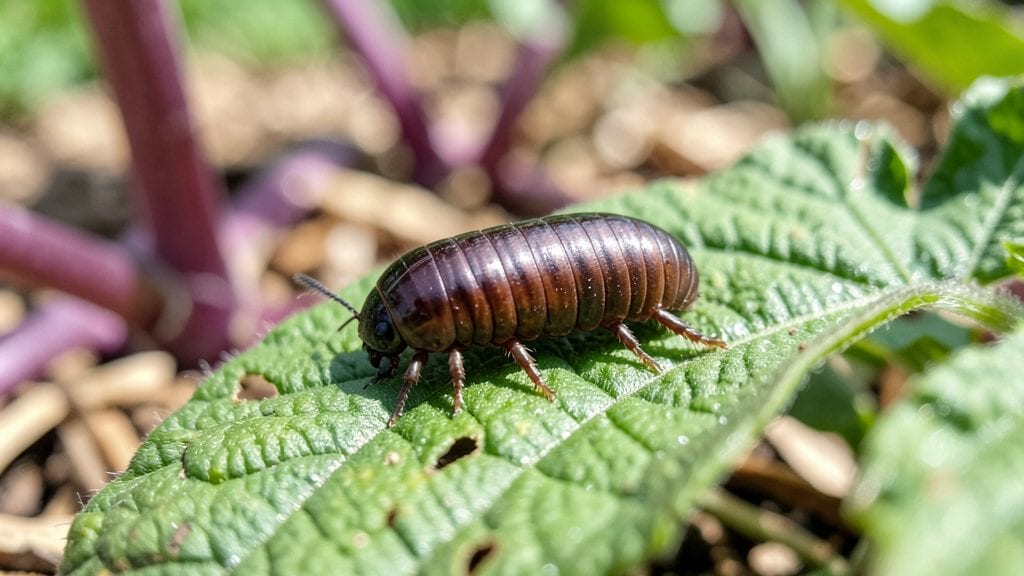
Identifying garden grubs starts with knowing what to look for—those squirming, worm-like creatures that turn your lawn into a chewed-up mess. 🌱 I’ve spent years watching my garden’s underground drama unfold, and the key is spotting the subtle signs before they wreak havoc.
These pests aren’t all alike; some hide in soil, others munch on roots, and a few even climb plants at night. The damage tells the story—wilting seedlings, brown patches, or tunnels in the dirt—long before you see the culprits.
Cutworms, wireworms, and white grubs are the usual suspects, each with their own tricks. Cutworms hide in the soil by day and slice stems at night, while wireworms chew roots like tiny woodpeckers.
White grubs, the lawn’s worst nightmare, feast on grass roots, leaving behind spongy, dead patches that feel like a trampoline. The good news? Learning their habits helps you outsmart them before they take over your garden.
You’ll spot the difference by digging a small patch of soil—look for their shapes, colors, and where they’re hiding. A magnifying glass helps, but even without one, you’ll start recognizing their damage patterns.
Once you know who’s causing the chaos, you can choose the right fix: organic sprays, beneficial nematodes, or simple soil tweaks that make your garden less inviting to them.
This isn’t just about fixing a problem—it’s about protecting the hard work you’ve put into your garden. With the right know-how, you’ll catch infestations early and keep your plants thriving, year after year. Let’s get those grubs identified so you can get back to growing what you love.
Root Causes Of Grub Infestations
Garden grubs—those squirming, soil-dwelling larvae—don’t just appear out of nowhere. Their presence is usually a sign of deeper ecological imbalances in your yard. Understanding why these pests thrive helps you take targeted action to prevent future outbreaks.
Below, we break down the most common reasons grubs invade lawns and gardens, backed by science and practical insights.
Grubs thrive in moist, soft soil—almost like a five-star hotel for larvae. While they need some moisture to survive, excessive watering creates the perfect breeding ground. Here’s why:
- Oxygen depletion: Overwatered soil lacks air pockets, making it easier for grubs to burrow and feed without stress. Cyclocephala (Japanese beetle larvae) and Phyllophaga (June beetle grubs) especially love this environment.
- Root competition: Soggy soil weakens grass roots, making them easier targets for grub feeding. Weak plants = more damage.
- Fungal growth: Excess moisture encourages fungi that some grubs rely on for food, indirectly supporting their populations.
Actionable fix: Test your soil’s drainage and adjust watering schedules. Aim for 1 inch of water per week (including rainfall) and water deeply but infrequently to encourage deep root growth.
Thick, healthy grass is nature’s best defense against grubs. But when your lawn is thin, stressed, or patchy, grubs see it as an all-you-can-eat buffet. Here’s the science:
- Less competition: Grubs prefer areas where grass roots are sparse because they can feed on organic matter and decaying plant material with minimal resistance.
- Exposed soil: Bare spots or thin turf provide easy access for adult beetles to lay eggs directly in the soil.
- Nutrient imbalance: Over- or under-fertilized lawns attract grubs. Too much nitrogen (common in fast-growing grass) can make grass more susceptible to damage once grubs arrive.
Actionable fix: Overseed bare patches, mow at the right height (never remove more than ⅓ of the blade at once), and use a balanced fertilizer (e.g., 16-4-8 ratio) to strengthen roots.
Grubs are just the larval stage of beetles like Japanese beetles, June bugs, or chafers. Their lifecycle starts with adult beetles laying eggs in your lawn. Here’s how it happens:
- Timing matters: Most beetles lay eggs in late spring to early summer (June beetles) or early summer (Japanese beetles). Eggs hatch in 10–14 days, releasing grubs into the soil.
- Host plant attraction: Adult beetles are drawn to flowering plants (like roses, grapes, or linden trees), which they feed on before mating and laying eggs in nearby grass.
- Warmth triggers activity: Beetles are most active in temperatures between 70–90°F. If your yard has sunny, warm microclimates, expect more egg-laying.
Actionable fix:
- Monitor adult beetle activity in early summer and treat flowering plants with neem oil or pyrethrin-based sprays to reduce populations.
- Use grub-specific insecticides (like imidacloprid or trichlorfon) in late summer to target eggs before they hatch.
Grubs love organic matter—it’s their food source! If your garden has excess leaf litter, compost piles, or thick mulch layers, you’re essentially inviting them to move in. Here’s why:
- Food availability: Decaying plant material provides grubs with easy-to-digest nutrients, accelerating their growth and reproduction.
- Moisture retention: Mulch and debris trap moisture, creating ideal conditions for egg-laying and larval survival.
- Shelter from predators: Thick organic layers shield grubs from birds, toads, and other natural enemies.
Actionable fix: Keep mulch 2–3 inches thick (not piled high) and remove leaf litter or grass clippings from lawn edges. Compost piles should be turned regularly to reduce grub activity.
Grubs aren’t the only ones digging in your soil—their predators (like birds, toads, mole crickets, and parasitic wasps) keep populations in check. When these predators disappear, grub numbers explode. Common reasons for predator decline:
- Pesticide overuse: Broad-spectrum pesticides (like carbaryl or malathion) kill both pests and beneficial predators, creating a vacuum that grubs fill.
- Habitat loss: Over-manicured lawns or sealed soils leave no hiding spots for toads, frogs, or ground beetles.
- Seasonal migration: Some predators (like birds) leave in winter, giving grubs a temporary advantage.
Actionable fix:
- Avoid non-selective pesticides and opt for beneficial nematodes (like Heterorhabditis bacteriophora) to target grubs without harming predators.
- Create predator-friendly zones with log piles, leaf litter edges, or shallow water sources.
Grub infestations are rarely random—they’re a symptom of an unbalanced ecosystem. By addressing why grubs are thriving, you can disrupt their lifecycle and restore your lawn’s health naturally. 🚀
Quick Fixes for Garden Grubs
Once you’ve spotted the culprits wreaking havoc in your garden, it’s time to act! The good news? Most grub problems can be tackled with targeted, eco-friendly strategies. Below, we’ve mapped the most common causes to practical solutions—plus prevention tips to keep your lawn and plants thriving long-term.
Cause: White grubs (like Japanese beetle larvae or June bug grubs) munching on grass roots, leading to brown patches or spongy turf.
🛠️ Immediate Fixes
- Handpick or Dethatch
- Roll back a section of sod (or use a garden fork to loosen the soil) and scoop out grubs by hand. 👨🍳 Best for small infestations.
- Pro Tip: 💡 Do this in the evening when grubs are near the surface.
- Nematodes: Nature’s Pest Control
- Apply beneficial nematodes (Heterorhabditis bacteriophora or Steinernema carpocapsae) to your lawn. These microscopic worms infect and kill grubs naturally.
- How to Apply: Mix with water and spray evenly. Reapply after rain. ✨ Works best in warm, moist soil (60–85°F).
- Milky Spore or Beetle Juice - **Milky Spore (Bacillus popilliae): A bacterial treatment that thrives in the soil, targeting Japanese beetle grubs.
Takes 1–2 years to fully establish but provides long-term protection. - Beetle Juice (Bacillus thuringiensis var. japonensis): A fast-acting spray for severe infestations. Reapply every 2–4 weeks as needed.
- Chemical Control (Last Resort)
- Use
🌱 Prevention Tips for Lawn Grubs - Aerate & Overseed: Healthy turf is less vulnerable.
Aerate in fall and overseed with grub-resistant grasses like tall fescue or Kentucky bluegrass. - Mow High: Keep grass at 3–4 inches to shade soil and deter egg-laying. - Reduce Irrigation: Grubs thrive in soggy soil.
Water deeply but infrequently to discourage their presence. - Encourage Predators: Birds (like robins and skunks), toads, and ground beetles eat grubs. Plant native flowers to attract them!
Cause: Cutworms, wireworms, or root maggots damaging roots, stems, or leaves.
🛠️ Immediate Fixes
- Remove Infested Plants
- For wireworms (hard, brown grubs), pull affected plants and dispose of them in sealed bags. 🔪 Check soil around roots—wireworms can survive for years.
- Collar Barriers for Cutworms
- Wrap cardboard collars or toilet paper rolls around young seedlings to prevent cutworms from chewing stems at night.
- Diatomaceous Earth (DE)
- Sprinkle food-grade DE around plants. It dehydrates grubs on contact but is safe for plants (reapply after rain). ⏰ Best for surface-dwelling pests like cutworms.
- Neem Oil or Pyrethrin Spray
- Neem oil disrupts grub feeding and reproduction. Spray foliage and soil at dusk.
- Pyrethrin-based sprays (derived from chrysanthemums) kill cutworms on contact. Use sparingly—it’s toxic to bees.
🌱 Prevention for Garden Grubs
- Rotate Crops: Avoid planting the same family (e.g., brassicas, solanaceae) in the same spot yearly.
- Mulch Strategically: Use straw or wood chips (not plastic) to deter egg-laying pests.
- Interplant with Repellents: Marigolds, garlic, and chives can deter some grub species.
- Solarize Soil: Cover beds with clear plastic for 4–6 weeks in summer to bake out wireworms and eggs.
Cause: Fungus gnats or root-knot nematodes in soil, stunting growth or causing wilting.
🛠️ Immediate Fixes
- Flush the Soil
- Water pots thoroughly to force grubs out, then dump the runoff. Replace the top 1–2 inches of soil with fresh, sterile mix.
- Yellow Sticky Traps
- Hang yellow sticky cards near pots to catch adult fungus gnats before they lay eggs.
- Hydrogen Peroxide Spray
- Mix 1 part 3% hydrogen peroxide with 4 parts water and spray soil to kill larvae. Let dry before replanting.
🌱 Prevention for Potted Grubs
- Use Sterile Soil: Avoid garden soil—opt for pasteurized or coco coir mixes.
- Let Soil Dry Between Waterings: Fungus gnats love moisture. Use pots with drainage holes!
- Beneficial Microbes: Add mycorrhizal fungi or Bacillus subtilis to outcompete pests.
🎯 Final Pro Tip: Always test a small area before treating large sections. Monitor for 2–3 weeks to ensure the solution works without harming your plants or local wildlife!
Frequently asked questions
How do I tell the difference between harmful grubs and beneficial worms?
Harmful grubs (like white grubs or wireworms) are usually creamy white, tan, or brown with smooth, soft bodies. Beneficial worms (earthworms, compost worms) have longer, segmented bodies and often leave behind castings. Look for damage: harmful grubs chew roots, while earthworms improve soil health.
When is the best time to treat a grub infestation?
Act in late summer to early fall when grubs are young and most vulnerable. This disrupts their lifecycle before they mature. For cutworms, treat at dusk when they’re active. Avoid spring treatments—grubs hide deeper in the soil then.
Can grubs survive winter in my garden?
Yes! Many grubs (like Japanese beetle larvae) overwinter in the soil and become more active in spring. They slow down but don’t die—this is why early-season prevention (like nematodes) works best. Some species even pupate in winter to emerge as adults in spring.
Why do I see grubs in my potted plants?
Potted grubs (often fungus gnats or root maggots) thrive in moist, organic soil. They’re drawn to decaying plant matter. Reduce watering, use sterile potting mix, and add sand or perlite to improve drainage. Yellow sticky traps can catch adult gnats before they lay eggs.
Will chickens or ducks eat garden grubs?
Chickens and ducks are natural grub hunters. Let them free-range in your garden (especially after rain when grubs surface). Just supervise to protect young plants. For small gardens, consider a few ducks—they’re more effective at finding hidden grubs than chickens.