Landscaping
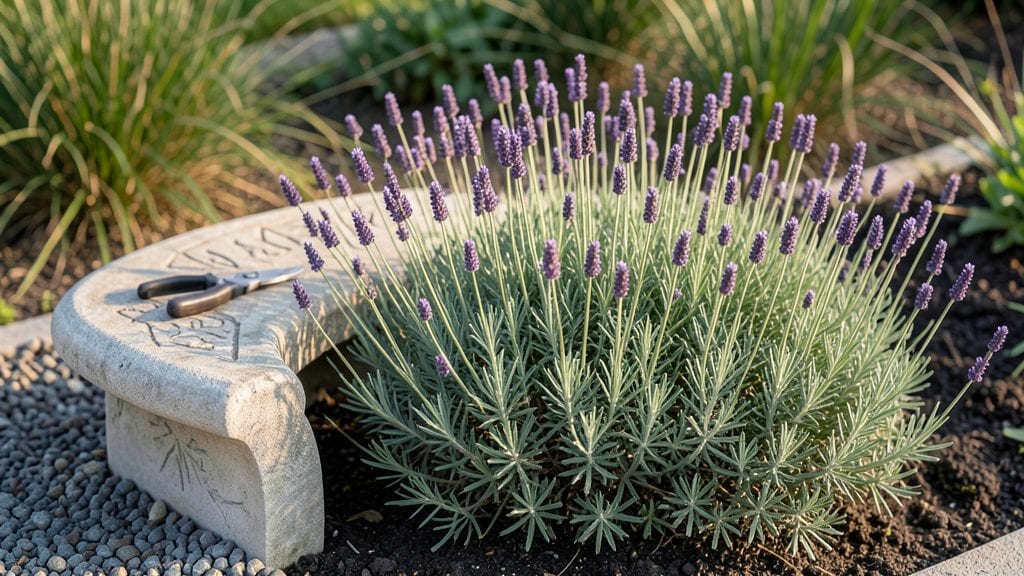
A memorial garden design becomes a living tribute where every plant tells a story. 🌿 The right combination of plants and materials can transform an empty space into a serene sanctuary that feels uniquely theirs—whether through fragrant lavender for remembrance or sturdy oak trees for enduring strength.
This isn’t just gardening; it’s creating a place where visitors can sit, reflect, and feel closer to someone special.
The beauty of this project is that it grows with you—starting with symbolic plants like roses for love or white lilies for purity, then adding elements like smooth river stones or a simple wooden bench.
You don’t need a large yard; even a small corner with drought-resistant succulents can become meaningful. The key is balancing personal touches with practical care, so the garden stays vibrant for years without overwhelming maintenance.
What makes it special is how it evolves—season by season, memory by memory. Imagine the quiet rustle of leaves in autumn or the first blooms of spring signaling renewal.
You’ll craft a space that feels timeless, where every detail whispers their presence. Let’s bring that vision to life, step by step.
Whether you’re working with stone, wood, or metal, the materials tell their own story too. A curved path invites wandering, while a small fountain adds soothing sound.
The goal is a garden that feels like an extension of who they were—peaceful, personal, and full of life. Here’s how to make it happen.
📚 In This Guide
- What you need
- Instructions
- Tips and common mistakes
- Wrapping up and next steps
What you need
- ● Soil & Amendments: Topsoil (2–4 cubic yards, depending on garden size)
- ● Compost (1–2 bags for nutrient-rich soil)
- ● Sand or perlite (1–2 bags for drainage)
- ● Planting Supplies: Memorial plants (e.g., roses, lavender, or native wildflowers—quantity varies)
- ● Gravel or mulch (2–3 bags for pathways or beds)
- ● Pebbles or decorative stones (for borders or pathways)
- ● Structural Elements: Bench or seating (1–2, weather-resistant wood or metal)
- ● Memorial plaque or engraved stone (1, customizable)
- ○ Wind chimes or solar lights (optional but symbolic)
- ● Tools: Shovel and trowel (1 each)
- ● Wheelbarrow (1, for hauling materials)
- ● Pruners and gloves (1 set)
- ● Measuring tape and stakes (for layout)
- ● Water feature (small fountain or birdbath)
- ● Personalized garden art (e.g., hand-painted stones or mosaic tiles)
- ● Seasonal flowers (e.g., daffodils for spring, chrysanthemums for fall)
- ● Scented plants (e.g., jasmine or gardenia for fragrance)
Step-by-step memorial garden design: creating a peaceful tribute space
Here's how to design a garden that feels deeply personal while honoring nature's quiet beauty.
🪴 Step 1: Choose a Meaningful Location and Layout
Select a spot that feels special—perhaps near a window they enjoyed or under their favorite tree. A 6-foot by 8-foot area works well for a balanced design. I like to start with a simple rectangular shape for symmetry, but curved edges can feel more organic and comforting. If space is limited, even a 3-foot diameter circle can hold powerful symbolism.
Consider the sun's path: morning light creates gentle illumination, while afternoon shade offers respite. Place a central focal point—like a bench or stone marker—where visitors can sit and reflect. Keep pathways clear and wide enough for wheelchairs or strollers if accessibility matters.
🌿 Step 2: Select Plants with Personal and Symbolic Meaning
Choose plants that reflect their personality or favorite colors. Evergreens like boxwood or juniper symbolize enduring love, while perennials such as lavender or coneflowers represent resilience. If they loved flowers, include their favorites—roses for romance, sunflowers for joy, or lilies for purity.
Layer plants by height: tall shrubs (like hydrangeas) in the back, medium plants (such as salvia) in the middle, and low-growing ground covers (like creeping thyme) up front. I always add at least one fragrant plant—like jasmine or gardenia—for sensory connection. Group plants in odd-numbered clusters (3, 5, or 7) for natural balance.
☀️ Step 3: Incorporate Symbolic Elements and Personal Touches
Add elements that tell their story: a wind chime for their love of music, a birdbath if they adored wildlife, or a stone engraved with their name. I like to include a small statue or sculpture—perhaps a cherished figurine or a handmade ceramic piece—that holds sentimental value. Keep it simple; the goal is quiet reflection, not clutter.
Lighting matters too. Solar-powered path lights or soft string lights create a warm glow at dusk, while a single lantern can mark the space as sacred. Place lights at 12-inch intervals along pathways to guide visitors safely. Avoid harsh lighting—think of it as a gentle beacon, not a spotlight.
✂️ Step 4: Maintain a Thoughtful, Low-Maintenance Routine
Design the garden to require minimal upkeep so it remains a place of peace. Mulch with 2-3 inches of organic material (like shredded bark) to retain moisture and suppress weeds. Water deeply once a week in dry spells, focusing on the roots rather than the leaves. I schedule this task on a day that feels meaningful—perhaps a Sunday morning with coffee in hand.
Prune plants seasonally to keep them healthy and shaped. Trim back dead or overgrown branches in early spring, and lightly shape perennials after they bloom. Avoid over-trimming—let some stems stand through winter as a reminder of their enduring presence. A small hand pruner and gardening gloves are all you’ll need for maintenance.
💧 Step 5: Create a Ritual of Care and Reflection
Turn maintenance into a ritual. Light a candle while weeding, or play their favorite music while watering. I like to place a small note or photo among the plants occasionally to keep their memory alive. Encourage family members to contribute—perhaps one person waters while another tends to the flowers—so the garden becomes a shared experience.
Leave space for quiet moments. A single bench or a small table with a vase of fresh flowers invites visitors to sit and remember. Over time, the garden will evolve naturally, just as memories do. The goal isn’t perfection—it’s creating a place where love and nature intertwine in a way that feels deeply personal.
Tips & tricks for memorial garden design
A few thoughtful touches can transform your memorial garden from ordinary to extraordinary—here's how to create a space that truly honors their memory.
Location and Layout: Take time to walk the space at different times of day to observe how sunlight shifts. Morning light casts soft shadows, perfect for a peaceful setting, while afternoon shade provides relief during warmer hours. If your garden faces north, consider adding a small trellis with climbing roses to bring in natural light and color. Trust me on this—location sets the emotional tone for the entire space.
Plant Selection: I always recommend including at least one plant that blooms in each season to ensure year-round interest. For example, pair spring-blooming daffodils with summer hydrangeas and autumn mums, then add winter interest with evergreen shrubs like boxwood. The key is creating visual continuity while celebrating their favorite seasons. Don't forget to include plants with textures they loved—like the velvety leaves of lamb's ear or the spiky foliage of yucca.
Symbolic Elements: When choosing personal touches, think about sensory connections. A wind chime that plays their favorite melody or a birdbath that attracts birds they loved can make the space feel alive with memories. For tactile elements, consider smooth river stones or a wooden bench made from reclaimed wood. These simple additions create meaningful touchpoints that invite visitors to linger and remember.
Low-Maintenance Strategies: The 2-3 inches of mulch mentioned in Step 4 is your best friend for reducing watering needs. I like to use shredded cedar mulch because it naturally repels pests while breaking down slowly. For watering, consider installing a simple drip irrigation system—it delivers water directly to roots and saves time. You can even set it to run automatically on your weekly watering day, turning maintenance into a hands-off ritual.
Pro Tips for Memorial Garden Design
- A few thoughtful touches can transform your memorial garden from ordinary to extraordinary—here's how to create a space that truly honors their memory.
- Location and Layout: Take time to walk the space at different times of day to observe how sunlight shifts.
- Plant Selection: I always recommend including at least one plant that blooms in each season to ensure year-round interest.
Frequently asked questions
Got questions about creating a meaningful memorial garden? Here are some of the most common concerns—and their answers—to help you design a space that truly honors your loved one.
What’s the best time of year to plant a memorial garden?
The ideal time depends on your climate, but spring or early fall are the best choices. Spring allows plants to establish roots before summer heat, while fall planting gives them time to settle before winter. Avoid extreme temperatures—like peak summer or deep winter—to give your garden the best start.
Can I create a memorial garden on a budget?
Start small with native plants (they’re low-maintenance and cost-effective) or use existing elements like rocks, benches, or even handmade markers. Thrift stores, local plant swaps, or DIY projects (like painted stones) can add personal touches without breaking the bank. Budget-friendly doesn’t mean less meaningful!
What if I don’t have a green thumb? Are there low-maintenance options?
No problem! Opt for drought-tolerant plants, ground covers (like creeping thyme), or succulents that thrive with minimal water. Perennials (plants that return yearly) reduce replanting hassles. A simple mulch layer also suppresses weeds. Even a few carefully chosen plants can create a serene, lasting tribute.
How long does it take for a memorial garden to “feel” complete?
Some gardens bloom almost immediately, while others evolve over months or years. Early stages focus on structure (paths, seating, markers), while plants mature gradually. Many people find the garden’s meaning grows alongside it—so enjoy the process! A small ceremony (like planting a tree) can mark progress and deepen its emotional impact.
What if I want to include non-plant elements, like statues or benches?
Non-plant elements are perfect for personalization! A bench invites reflection, while a custom statue or engraved stone can symbolize your loved one’s passions. Just ensure materials are weather-resistant (e.g., bronze, stone, or treated wood). Balance is key—combine one or two focal pieces with natural elements for harmony.
Wrapping up and next steps
Designing a memorial garden is a deeply personal way to honor your loved ones while creating a serene, meaningful space. Whether you choose symbolic plants, soothing water features, or quiet benches, every element tells a story of love and remembrance. 🌿
Now that you’re inspired, take the next step: sketch your vision or gather a few plant samples. Consider reaching out to a local landscaper or botanist for guidance—your garden will grow even more meaningful with their expertise!
Remember: There’s no "perfect" design—just one that reflects your heart. Start small, dream big, and let the garden flourish as a tribute to those who matter most.