Landscaping
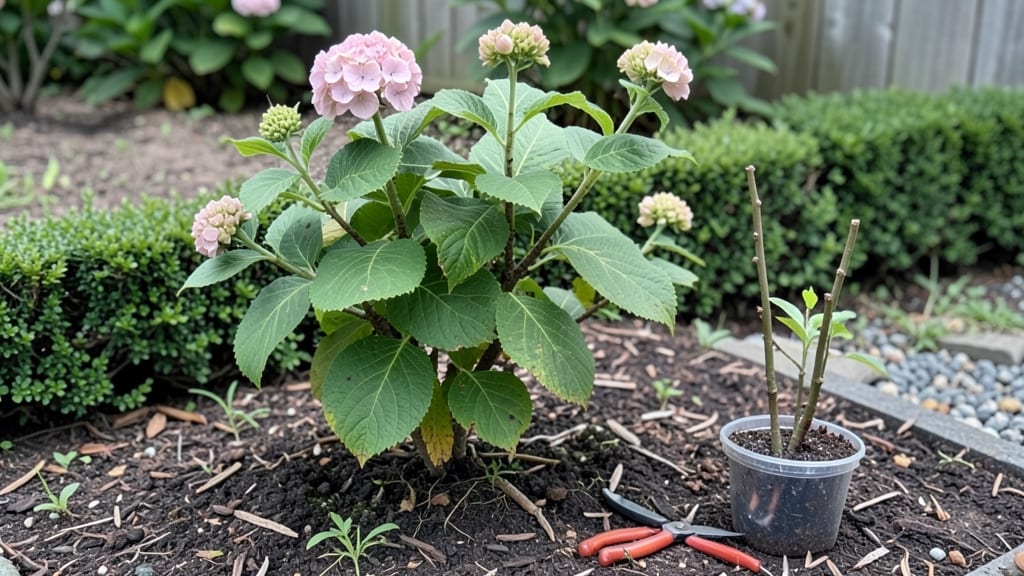
Creating a parterre garden design transforms any yard into a structured masterpiece with French-inspired precision. My first attempt used boxwood hedges and lavender borders, and the geometric shapes instantly elevated the space from ordinary to showstopping.
The key lies in symmetry, crisp edges, and layered textures that draw the eye—whether you go formal or slightly relaxed.
You’ll need gravel or sand for clean lines, low-growing evergreens for structure, and seasonal flowers to keep it vibrant. Start with a simple rectangular shape or a classic circular design, then divide it into smaller sections using paths or hedges.
This approach works in both small city gardens and sprawling estates—just scale the proportions to your space.
The payoff is a garden that feels both refined and inviting, with every plant playing its part in the composition. Imagine the crisp green of boxwood framing delicate pink roses, or the contrast of silver foliage against deep purple blooms.
Maintenance stays manageable with the right plant choices—drought-tolerant varieties cut down on watering, while evergreens provide year-round structure.
Adapt the style to your climate: Mediterranean gardens thrive with lavender and rosemary, while cooler regions can rely on boxwood and hydrangeas. The beauty of parterres is their flexibility—whether you want strict French formality or a looser, modern twist. Let’s sketch out your design today.
📚 In This Guide
- What you need
- Instructions
- Tips and common mistakes
- Wrapping up and next steps
What you need
- ● Soil & Substrate: High-quality topsoil (2–3 cubic yards per 100 sq. ft.)
- ● Compost or organic matter (1–2 bags per 10 sq. ft.) for nutrient-rich beds
- ● Edging & Structure: Metal or stone edging (e.g., copper, slate, or granite strips, 2–3 inches tall)
- ● Bricks, pavers, or low walls (for raised parterres, calculate based on design height)
- ● Plants: Low-growing perennials (e.g., lavender, boxwood, or sedum)
- ● Seasonal annuals (e.g., marigolds, pansies, or salvia for color)
- ● Herbs or ornamental grasses (for texture, 1–2 plants per linear foot)
- ● Tools: Shovel & spade (for digging)
- ● Wheelbarrow (for transporting soil)
- ● String line & stakes (to mark geometric patterns)
- ● Pruners & shears (for shaping plants)
- ● Level & measuring tape (for precision)
- ● Gravel or mulch (for pathways or weed suppression)
- ● Decorative stones or pebbles (for contrast in borders)
- ● Irrigation system (drip lines or soaker hoses for efficiency)
- ● Fertilizer (slow-release or organic, as needed)
How to design a parterre garden with French precision
This classic layout transforms any outdoor space into a structured, symmetrical masterpiece.
Define the Layout and Mark the Design
Begin by sketching your parterre design on graph paper or digitally, using a grid system for perfect symmetry. The French parterre typically features rectangular or square beds with center pathways that divide the space into equal sections. For a 4-bed design—the most common—draw a central cross that splits the area into four quadrants, each measuring 4 feet by 4 feet or larger, depending on your space.
Once your design is finalized, transfer it to the garden using spray paint or wooden stakes and string. Drive stakes at each corner of your beds and pathways, then stretch string between them to create crisp, straight lines. This ensures your edges will be sharp and professional. Double-check that all angles are 90 degrees—precision is key in French garden design.
Prepare the Soil and Edging
Remove any existing grass, weeds, or debris from the marked area, digging down 6-8 inches to loosen the soil. Amend the soil with 2-3 inches of compost to improve drainage and fertility, then mix it thoroughly. Avoid compacting the soil—keep it light and airy for healthy root growth. For pathways, consider using gravel, sand, or pavers to define the walkways clearly.
Install metal or stone edging along the perimeter of each bed to maintain sharp lines. I recommend brass or copper edging for a classic French look, but durable plastic or concrete edging works well too. Secure it firmly into the ground at 12-inch intervals to prevent shifting. This step ensures your parterre stays neatly contained and avoids soil erosion over time.
Plant in Geometric Patterns
Start by planting low-growing perennials or shrubs along the outer edges of each bed to create a structured border. Boxwood, lavender, and dwarf roses are excellent choices for their neat growth habits. For a 4-bed design, plant 3-5 shrubs per quadrant, spacing them 12-18 inches apart to allow for full growth without overcrowding.
Fill the center of each bed with annuals or bulbs arranged in precise patterns—think checkerboards, stripes, or concentric circles. Use contrasting colors and textures to enhance visual interest while maintaining symmetry. For example, pair purple salvia with white alyssum for a striking contrast. Water thoroughly after planting to settle the soil and encourage root establishment.
Add Hardscaping and Finishing Touches
Incorporate ornamental elements like topiary, statues, or decorative urns to elevate the French aesthetic. Place topiary at key focal points, such as the center of each quadrant or along the pathways. For pathways, consider flagstone or cobblestone for a rustic yet refined look. Ensure pathways are at least 2 feet wide to allow easy access without trampling plants.
Finally, add mulch to suppress weeds and retain moisture. Use 2-3 inches of shredded bark or gravel in earthy tones to complement the greenery. Avoid dark mulch, as it can make the garden appear heavier. Step back and assess the balance—French parterres thrive on harmony, proportion, and restraint. Adjust any uneven sections before the plants fully establish.
Tips & tricks for perfect parterre garden design
Creating a flawless French parterre requires attention to detail that goes beyond the basic steps. Here are the insights I've gathered from years of designing these elegant garden layouts.
Precision in Layout: When transferring your design to the garden, use a laser level or a long straight board to verify those 90-degree angles in Step 1. I've seen many beautiful designs ruined by slightly off-square corners that become noticeable over time. For larger gardens, consider using a transit level to ensure perfect alignment between all four quadrants. The crisp lines that define French parterres depend entirely on this foundational accuracy.
Soil Preparation Pro Tip: In Step 2, don't just dig down 6-8 inches—create horizontal layers. First, remove all existing vegetation, then add 2 inches of coarse sand to improve drainage, followed by your 2-3 inches of compost mixed with native soil. This layered approach prevents compaction and creates ideal growing conditions for your plants. I've found that adding a handful of perlite to the compost mix further enhances aeration.
Plant Spacing Strategy: The 12-18 inch spacing in Step 3 might seem generous, but trust me—it's essential. Plants in parterres need room to mature without crowding their neighbors, which would disrupt that perfect geometric appearance. For shrubs like boxwood, I recommend planting on the smaller end of this range (12-14 inches) since they grow more slowly. Annuals can go up to 18 inches apart, but be prepared to thin them as they grow.
Hardscaping Harmony: When selecting materials for pathways and edging in Step 4, consider the color palette of your plants. Light-colored pavers or gravel will complement vibrant flowers, while darker materials create striking contrasts. I've found that using the same material for both pathways and edging creates visual cohesion. For example, flagstone pathways paired with stone edging create a seamless look that enhances the French aesthetic.
Pro Tips for Parterre Garden Design
- Creating a flawless French parterre requires attention to detail that goes beyond the basic steps.
- Precision in Layout: When transferring your design to the garden, use a laser level or a long straight board to verify those 90-degree angles in Step 1.
- Soil Preparation Pro Tip: In Step 2, don't just dig down 6-8 inches—create horizontal layers.
Frequently asked questions
Got questions about creating your own parterre garden? Here are some of the most common ones—and their answers—to help you get started with confidence!
What’s the best time of year to plant a parterre garden?
A parterre thrives with spring planting (March–May in most climates) for perennials and annuals. For cooler regions, early fall (September–October) also works well. Start with hardy plants like boxwood or lavender, then layer in seasonal blooms. Pro tip: Avoid planting in extreme heat—transplants struggle!
Do I need a formal design to create a parterre?
Not at all! While traditional parterres follow geometric symmetry, modern takes embrace asymmetry or even wildflower borders. Start small with a simple rectangular bed, then expand. Use edging tools or brick borders to define shapes—no need for perfection!
What’s the easiest way to maintain a parterre’s clean lines?
Regular pruning (every 4–6 weeks) keeps edges sharp. Use hedge shears for boxwood or lavender, and trim low-growing plants with scissors. Mulch heavily to suppress weeds, and water deeply but infrequently. Troubleshooting: If edges fray, refresh with a string guide for straight cuts.
Can I use containers or raised beds for a parterre?
Raised beds or large containers (like half barrels) work great for small spaces. Opt for lightweight soils with good drainage, and choose compact plants like dwarf boxwood or petite roses. Just ensure containers have drainage holes to prevent root rot.
How do I fix a parterre that’s looking overgrown or messy?
Start by pruning back overgrown plants to their original shape. Replace dead or dying foliage, then add fresh mulch. For a quick reset, shear back all plants uniformly (use a string line for guidance). Replant gaps with seasonal fillers like pansies or alyssum for instant color.
Wrapping up and next steps
A parterre garden brings timeless French elegance to your outdoor space with its structured beauty and vibrant colors.
Whether you're drawn to the symmetry of formal designs or the playful charm of mixed borders, this style offers endless creativity while keeping nature’s grace at its core. Ready to transform your yard?
Start small—sketch a simple layout, gather a few key materials, and let your vision grow! With patience and passion, your parterre will become a stunning centerpiece that inspires for years. Bon courage! 🌿✨